Ansan-Si
Explore stays
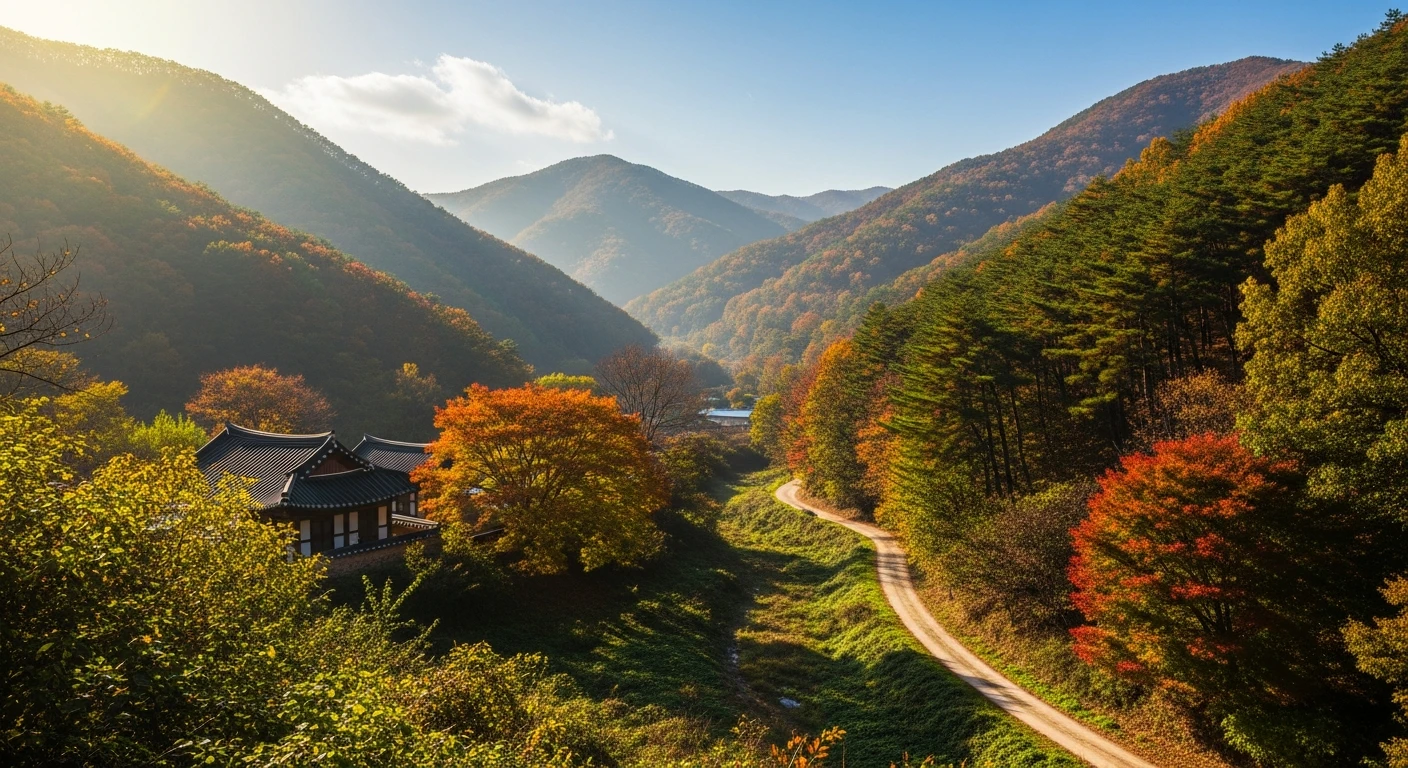
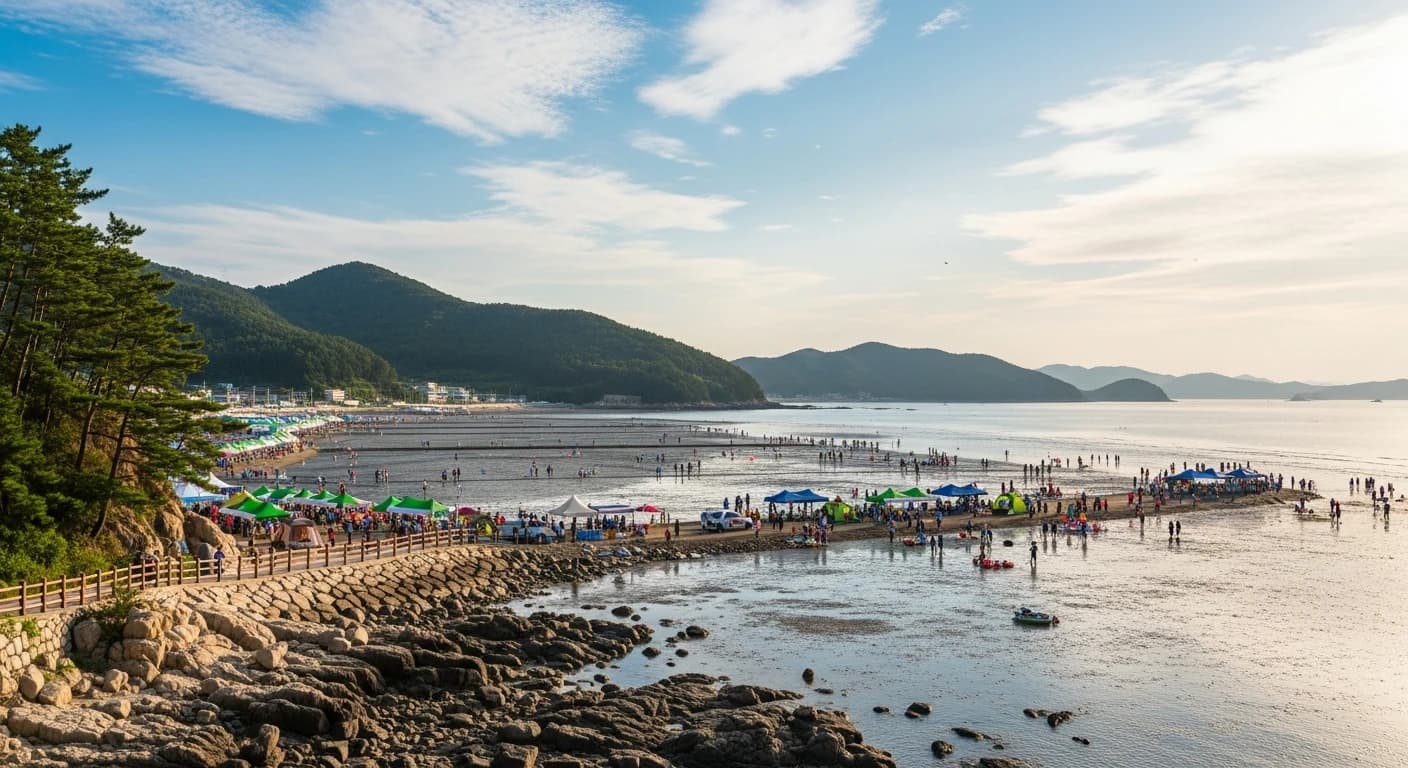
Boeun County, nestled in the heart of South Korea's Chungcheongbuk-do province, is a place where history and nature harmoniously converge. The county's name, meaning 'grateful grace', reflects its rich history dating back to the Three Kingdoms period. Historically, Boeun served as a strategic location due to its proximity to the Sobaek Mountains, which provided natural defense and resources.
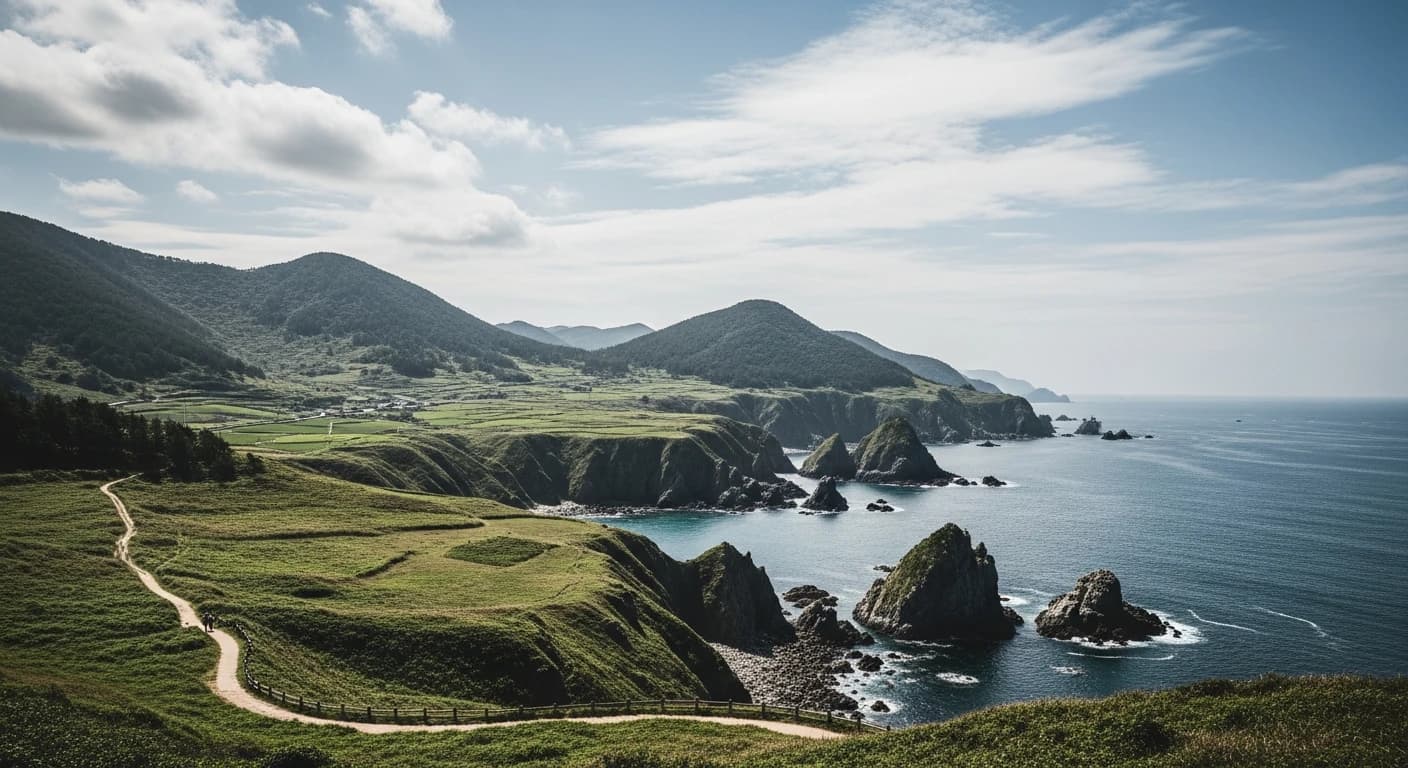
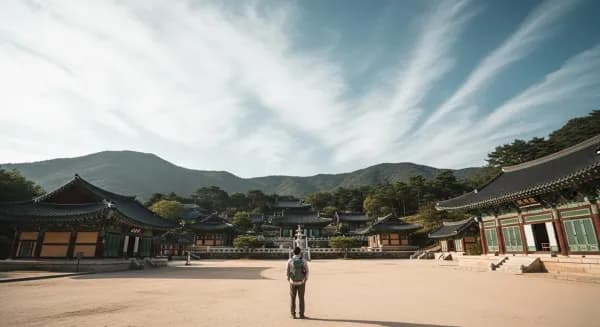
Geographically, Boeun is characterized by its lush landscapes, rolling hills, and the prominent Songnisan National Park, a natural wonder that attracts hikers and nature enthusiasts from all over South Korea. The park is home to Beopjusa Temple, a UNESCO World Heritage Site, which serves as a testament to the region's spiritual heritage.
The vibe in Boeun is serene and inviting, offering a stark contrast to the bustling urban centers of South Korea. Visitors often remark on the county's tranquil atmosphere, which is perfect for those seeking a retreat into nature and history. The local community is known for its hospitality, making Boeun a welcoming destination for travelers.
Accommodation in Boeun County caters to a variety of preferences, from luxury seekers to budget-conscious travelers. For those seeking luxury, the Songnisan Tourist Hotel offers upscale amenities and stunning views of the surrounding mountains.
Budget travelers can find comfort in the charming guesthouses and traditional Hanok stays scattered throughout the county. Areas like Naesongni and the vicinity of Beopjusa Temple offer convenient lodging options that allow easy access to major attractions.
Whether you choose a high-end hotel or a cozy guesthouse, staying in Boeun provides an authentic taste of South Korea's countryside hospitality.
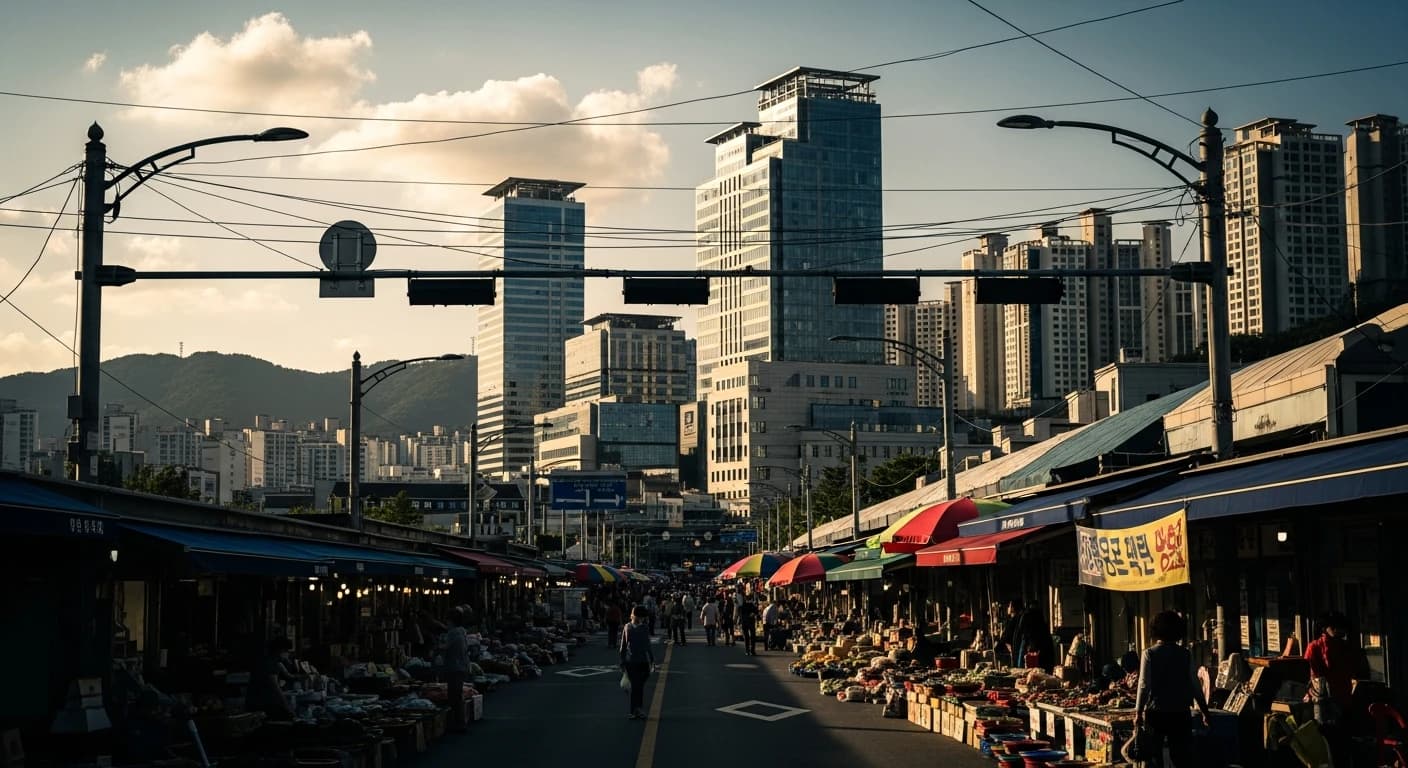
Navigating Boeun County like a local is both straightforward and economical. The county's transportation network is well-developed, with buses connecting major towns and attractions. The Boeun Bus Terminal is the main hub, offering routes to nearby cities and villages.
For those who prefer more flexibility, renting a car is an excellent option. This allows travelers to explore the scenic byways and hidden corners of Boeun at their own pace. Bicycles are also a popular choice for eco-conscious visitors, with several rental shops available near tourist hotspots.
Boeun County is a gateway to numerous hidden gems in South Korea. A short drive will take you to the enchanting Gossi Cave, known for its impressive stalactites and stalagmites. The cave offers guided tours that delve into its geological significance.
Nearby, the Samnyeonsanseong Fortress provides a glimpse into ancient Korean military architecture. The fortress walls offer panoramic views of the surrounding countryside, making it a perfect spot for photography enthusiasts.
For a more leisurely excursion, consider a visit to the serene Seonbyeongji Reservoir, a popular spot for picnics and bird watching.
The best time to visit Boeun County is during the spring (April to June) and autumn (September to November) months. During these periods, the weather is mild, and the natural landscape is at its most vibrant.
Springtime in Boeun is marked by blooming cherry blossoms, creating picturesque scenes across the county. Autumn, on the other hand, brings a tapestry of red and gold as the leaves change, offering breathtaking views in places like Songnisan National Park.
While summer and winter have their own charm, they can be more extreme in terms of temperature, making spring and autumn the ideal seasons for outdoor activities.
Boeun County experiences a temperate climate, with four distinct seasons. January is the coldest month, with temperatures often dropping below freezing, while July is the warmest, with highs reaching up to 30°C (86°F).
In March, the county begins to thaw, welcoming the first signs of spring. By May, temperatures are comfortably warm, paving the way for outdoor adventures. June to August sees increased humidity and occasional rainfall, characteristic of South Korea's summer monsoon season.
As autumn arrives in September, the weather cools, and the landscape transforms into a kaleidoscope of colors, lasting until November. December marks the onset of winter, with occasional snowfall adding a magical touch to the region.
Boeun County is steeped in cultural heritage, with its residents taking pride in their traditions and customs. The county is renowned for its festivals, such as the Songnisan Mountain Festival, which celebrates the natural beauty and cultural history of the area.
Another notable event is the Beopjusa Temple Lantern Festival, where thousands of lanterns illuminate the temple grounds, creating a mesmerizing spectacle that attracts visitors from across South Korea.
Understanding local etiquette is essential when visiting Boeun. Respect for elders and politeness are deeply ingrained in Korean culture. It's customary to bow when greeting and to remove shoes before entering homes and traditional accommodations.
The culinary scene in Boeun County is a delightful exploration of traditional Korean flavors. A must-try dish is the local specialty, Boeun Apple Bibimbap, a unique twist on the classic bibimbap that incorporates the region's famous apples.
Another local favorite is Deodeok Gui, a dish made from grilled codonopsis lanceolata roots, seasoned with gochujang (Korean chili paste) and served with rice. This dish reflects the county's agricultural heritage and its emphasis on fresh, local ingredients.
Visitors should also sample the variety of side dishes, or banchan, that accompany meals, offering a taste of South Korea's rich culinary traditions.
Boeun County is home to several remarkable landmarks that offer insight into South Korea's history and natural beauty. The crown jewel is Beopjusa Temple, founded in 553 AD. This ancient temple complex, nestled within Songnisan National Park, houses the towering Palsangjeon, a five-story wooden pagoda that is a masterpiece of Korean architecture.
Another highlight is the Jeongipum Pine Tree, a natural monument over 600 years old, known for its unique shape and historical significance. Legend has it that the tree was planted by a Joseon Dynasty scholar, adding a layer of intrigue to its already majestic presence.
The Songnisan National Park itself is a must-visit, offering a plethora of hiking trails that cater to all levels of adventurers. The park's biodiversity and scenic vistas make it a haven for nature lovers.
For those interested in history, the Boeun Independence Hall provides an educational experience, showcasing artifacts and exhibits related to Korea's struggle for independence.
Lastly, the Boeun Apple Theme Park celebrates the county's reputation for producing some of the finest apples in South Korea. The park offers interactive exhibits and apple-picking experiences, making it a fun destination for families.
Nearby places worth adding to your itinerary.