Ansan-Si
Explore stays

Buan, a picturesque county located on the western coast of South Korea, is renowned for its stunning natural beauty and rich cultural heritage. Nestled between the Yellow Sea and the majestic Sobaek Mountains, Buan offers a unique blend of serene landscapes and vibrant local life. Historically, Buan has been a significant site for agriculture and fishing, dating back to the Three Kingdoms period in Korea. Its fertile lands and abundant marine resources have supported communities for centuries.
With a population of approximately 60,000, the vibe in Buan is a harmonious mix of traditional Korean culture and modern influences. The county is divided into several towns and villages, each boasting its own charm. The town of Buan serves as the administrative center and is where most visitors begin their journey. The area is characterized by a slower pace of life, friendly locals, and a strong sense of community, making it a perfect getaway for those looking to escape the hustle and bustle of city life.
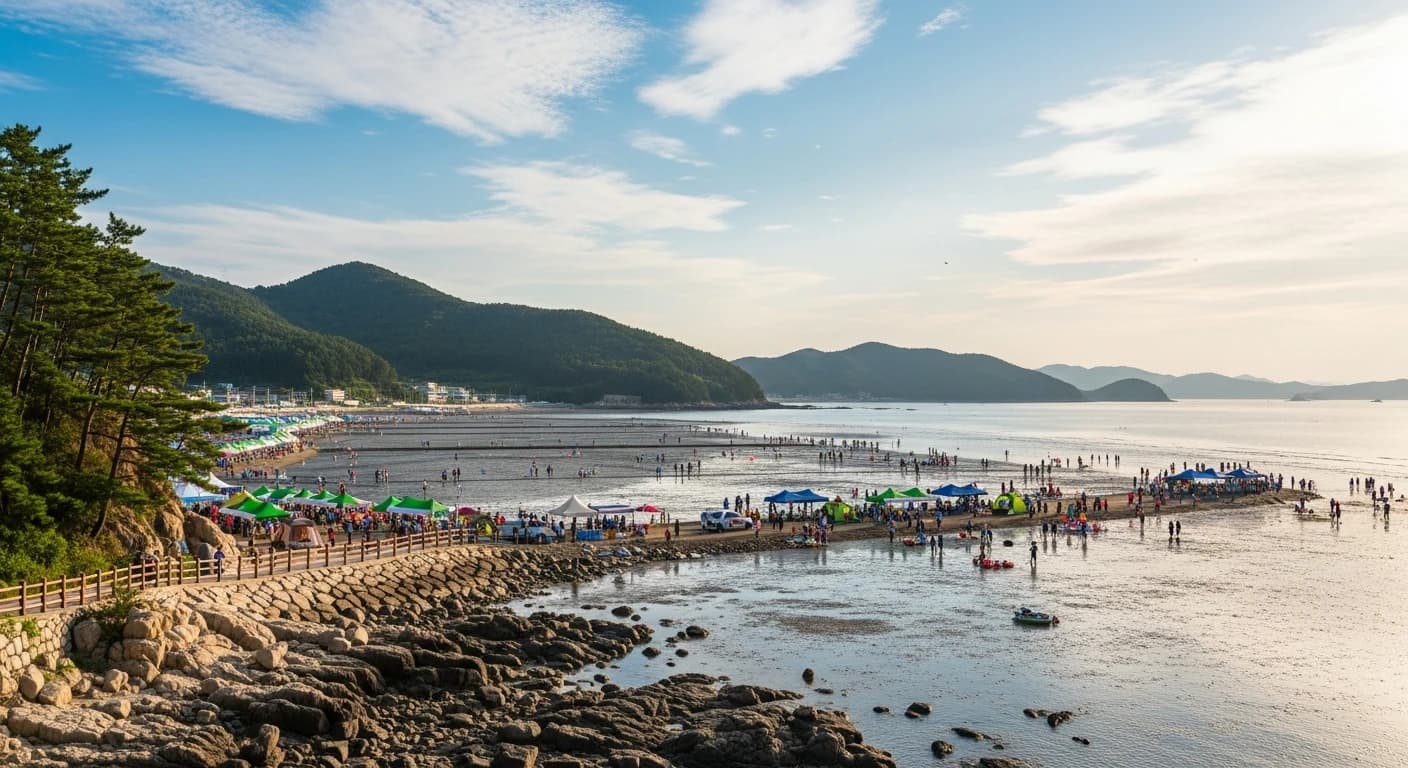
Geographically, Buan is strategically located, making it a gateway to some of South Korea's most beautiful islands and coastal areas. The coastline is dotted with stunning resorts and beaches, while inland, visitors can explore the rolling hills and rice paddies that define the region. As visitors stroll through the county, they’ll encounter breathtaking views, cultural landmarks, and a wealth of outdoor activities that showcase the natural beauty of South Korea.
Buan offers a variety of accommodation options, catering to different budgets and preferences. For those seeking luxury, the Buan Daewangam Resort is a top choice. Nestled along the coastline, this resort provides stunning ocean views, modern amenities, and a range of recreational activities, including water sports and spa services. The serene atmosphere and high-quality service make it an ideal retreat for couples and families alike.
On the other hand, budget travelers will find numerous guesthouses and hostels scattered throughout Buan. Many of these establishments are family-run, providing a more intimate experience where guests can interact with locals. Areas like Gyeokpo Beach are popular among budget-conscious travelers due to their proximity to the beach and local attractions. Additionally, visitors can opt for traditional hanok stays, where they can experience authentic Korean hospitality in a traditional wooden house.
Getting around Buan is relatively easy, thanks to its efficient transportation system. Local buses operate frequently, connecting various towns and attractions. The best way to navigate like a local is to familiarize yourself with the bus routes and schedules, which can be found at bus stops or online. For those who prefer a more personal experience, renting a bicycle is a popular option, especially along the scenic coastal roads. Taxis are also readily available, and rides are affordable, making them a convenient choice for longer distances.
While Buan itself is a treasure trove of attractions, the surrounding areas offer hidden gems worth exploring. One such gem is the picturesque Jeokbyeokgang Cliffs, which feature stunning rock formations and panoramic ocean views. A short drive from Buan, the cliffs are perfect for hiking and photography enthusiasts.
Another must-visit location is the Byeonsanbando National Park, known for its diverse flora and fauna, as well as breathtaking hiking trails. Visitors can immerse themselves in nature, encountering various wildlife species and enjoying the tranquility of the park. Lastly, a trip to the nearby island of Gyeokpo, famous for its pristine beaches and clear waters, is highly recommended for a day of relaxation and exploration.
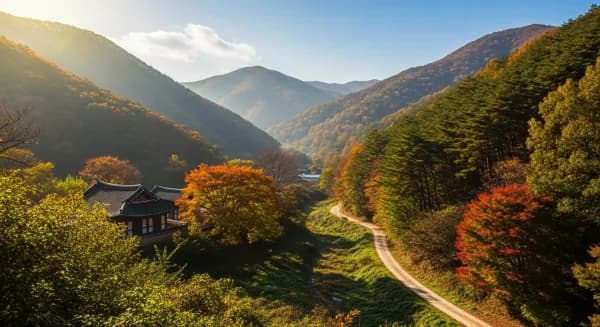
The best time to visit Buan is during the spring and autumn months when temperatures are mild, and the natural scenery is at its most vibrant. Spring (April to June) brings blooming cherry blossoms and colorful wildflowers, making it an ideal time for outdoor activities and photography. In autumn (September to November), the foliage transforms into a stunning tapestry of reds and oranges, offering breathtaking views across the landscape.
Summer (July to August) can be hot and humid, with temperatures often exceeding 30°C (86°F). However, this is also the peak tourist season, particularly for beachgoers, so be prepared for larger crowds. Winter (December to February) sees temperatures drop, and while it may not be the most popular time to visit, the serene snowy landscapes provide a unique charm, especially for those interested in winter sports.
Buan experiences a temperate climate with four distinct seasons, each offering a different atmosphere. During January, winter chills dominate, with temperatures averaging around -2°C (28°F). This is the coldest month, often accompanied by occasional snowfall.
As spring approaches in March, temperatures begin to warm up, reaching around 10°C (50°F). By April and May, the weather becomes delightful, with average temperatures ranging between 15°C to 20°C (59°F to 68°F). The summer months bring significant humidity, with July and August seeing temperatures soar to 30°C (86°F) or higher. Rainfall is common during this period as well, so packing an umbrella is advisable.
Autumn, particularly September to November, provides a refreshing escape from the summer heat, with temperatures gradually cooling down to around 15°C (59°F) by November. This is an excellent time for outdoor activities and to witness the stunning fall foliage.
The culture of Buan is deeply rooted in traditional Korean values, yet it is also influenced by modern developments. Festivals play a significant role in the local culture, with events like the Buan Sobaeksan Mountain Festival celebrating the region's natural beauty and cultural heritage. This festival typically features traditional music, dance performances, and local culinary delights, drawing visitors from all over South Korea.
People in Buan are known for their warm hospitality and friendly demeanor. Visitors often remark on the genuine kindness of the locals, who are eager to share their traditions and stories. Etiquette is essential in Korean culture, so understanding basic customs, such as bowing when greeting someone and using both hands when giving or receiving items, will enhance your experience. Engaging with locals and participating in cultural activities can provide deeper insights into the rich heritage of South Korea.
Food in Buan is a reflection of its coastal geography, with an emphasis on fresh seafood and local produce. Must-try dishes include raw fish, known as sashimi, and grilled clams, which are often served at seaside restaurants. The region is also famous for its rice dishes, particularly bibimbap, a mixed rice dish topped with vegetables, meat, and a fried egg.
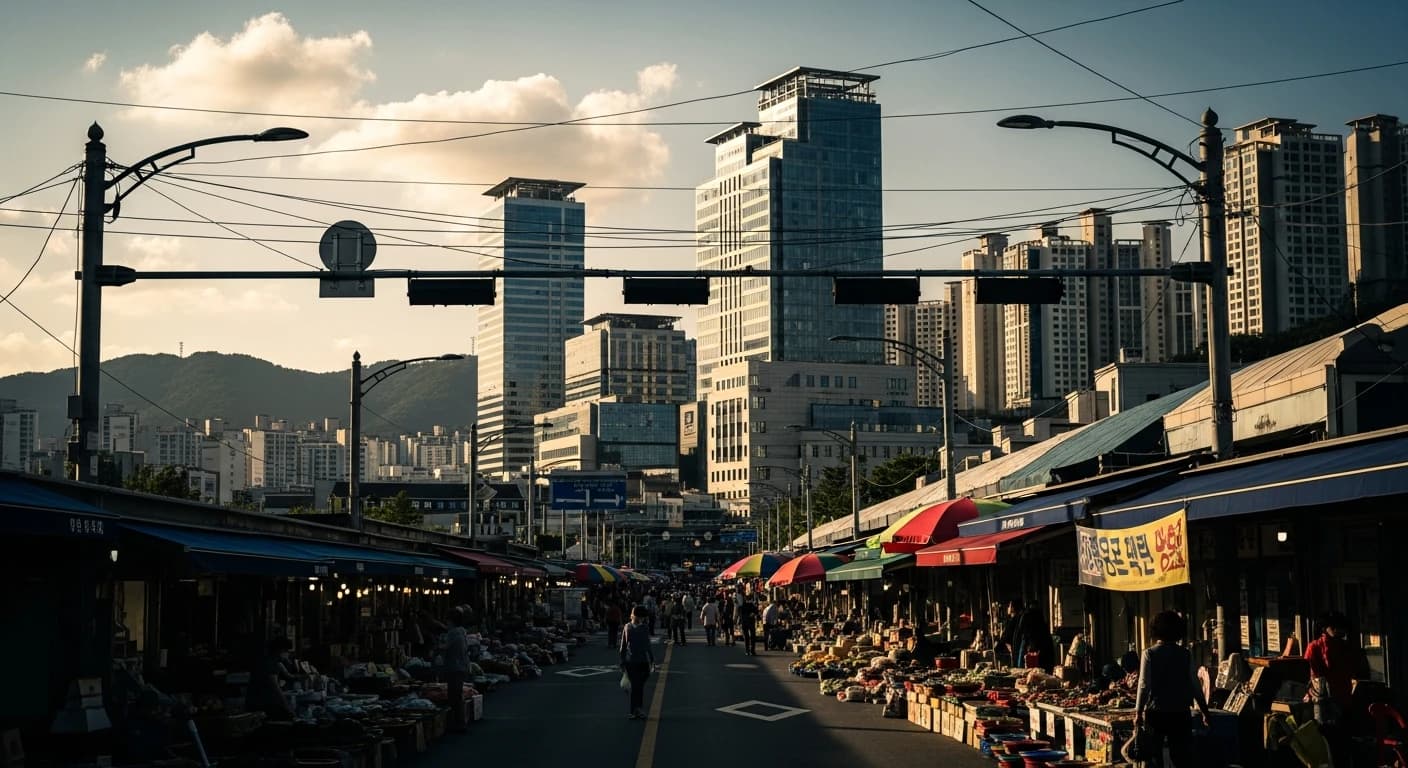
Korean cuisine has a rich history, and Buan is no exception. The culinary traditions here are influenced by the local environment, utilizing seasonal ingredients that highlight the flavors of the region. Street food is prevalent, with vendors offering various snacks, such as tteokbokki (spicy rice cakes) and hotteok (sweet pancakes filled with brown sugar). Exploring Buan's food scene is an adventure in itself, offering a taste of authentic Korean flavors.
Buan is home to several must-see landmarks that reflect its rich history and natural beauty. One of the top attractions is the Buan Celadon Museum, showcasing the region's traditional pottery and ceramic art. The museum provides a fascinating insight into the historical significance of celadon pottery in Korean culture, along with interactive exhibits where visitors can try their hand at pottery-making.
Another iconic site is the Jeokbyeokgang Cliff, known for its stunning rock formations along the coast. This geological wonder offers breathtaking views and is a popular spot for hiking and photography. The nearby Byeonsanbando National Park features scenic trails that lead to breathtaking vistas, making it a haven for nature lovers.
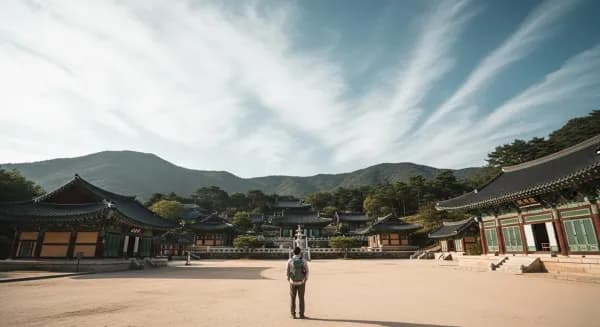
The Buan Hanok Village, a preserved traditional Korean village, is another highlight, allowing visitors to step back in time and experience life in a hanok (traditional Korean house). Visitors can participate in various cultural activities, such as tea ceremonies and traditional crafts, providing a deeper understanding of Korean heritage.
Lastly, the Buan Seongyojang, a historic villa built in the late Joseon Dynasty, offers a glimpse into Korea's aristocratic past. The villa is surrounded by beautiful gardens and traditional architecture, making it a serene spot for a leisurely stroll.
Nearby places worth adding to your itinerary.
Top stays in Buan picked for comfort, value, and great guest reviews.