Bankya
Explore stays
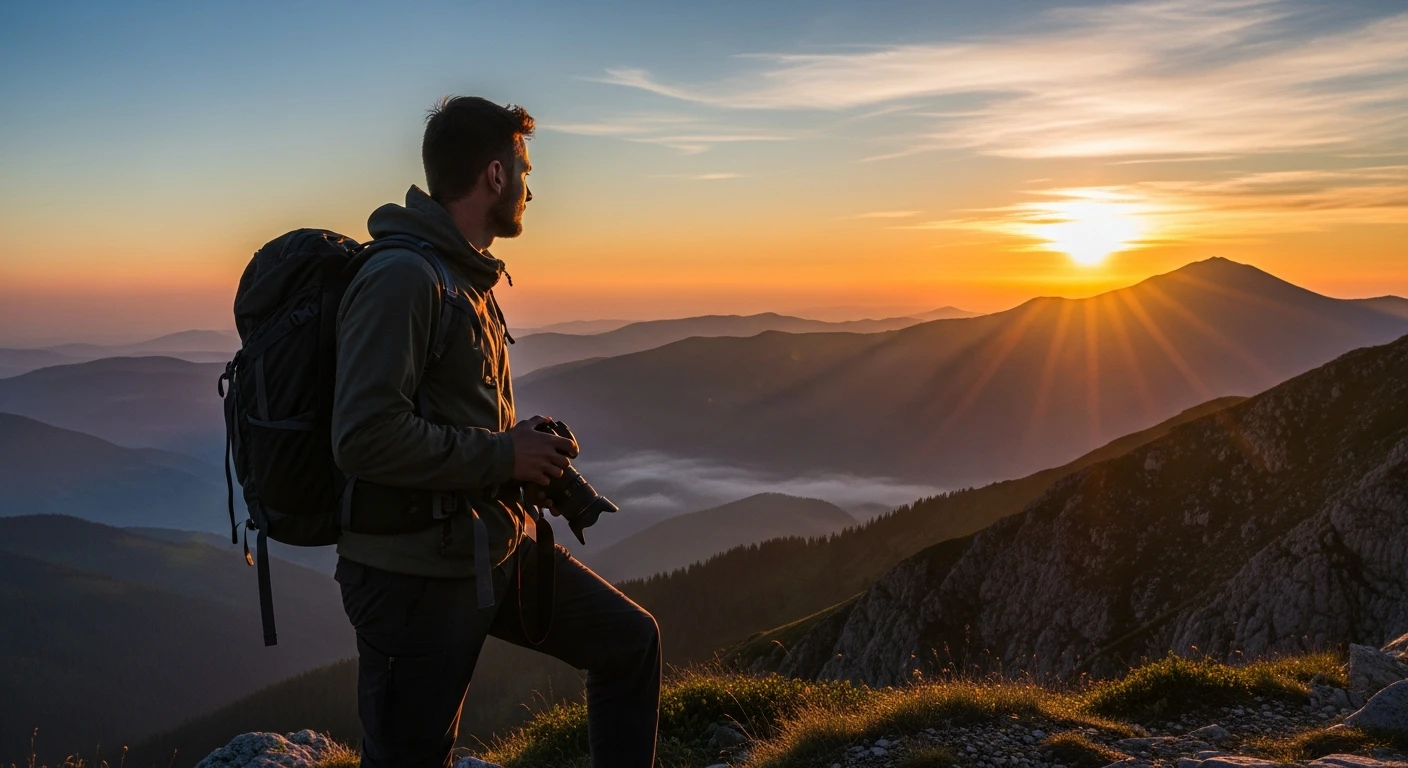
Sofia, the capital of Bulgaria, is a city that seamlessly blends the old with the new, offering a rich tapestry of history, culture, and modernity. Nestled at the foot of Vitosha Mountain, Sofia is geographically blessed, providing panoramic vistas and a unique urban landscape. The city has been a crossroads of civilizations, with Thracians, Romans, Byzantines, and Ottomans leaving their mark over the centuries.
Sofia's history dates back over 2,000 years, beginning with the Thracian settlement of Serdica. The Romans later developed it into a thriving city, with remnants like the Roman rotunda of St. George still visible today. Ottoman rule brought architectural marvels such as the Banya Bashi Mosque, while the Liberation in 1878 heralded a new era of Bulgarian sovereignty, reflected in the city's eclectic architectural styles.
Today, Sofia exudes a vibrant and youthful vibe, thanks to its bustling arts scene, lively nightlife, and dynamic tech industry. The city is a melting pot of cultures, where Eastern Orthodox churches stand alongside Ottoman mosques and Soviet-era monuments. Whether you're wandering through its cobbled streets or exploring its contemporary art galleries, Sofia offers a unique blend of past and present.
When it comes to accommodations, Sofia offers a range of options to suit every budget and preference. For those seeking luxury, the Lozenets area is ideal, featuring high-end hotels like the Hotel Marinela Sofia, known for its opulent decor and panoramic views of the city and Vitosha Mountain.
For budget travelers, the area around Vitosha Boulevard is perfect. Hostels like Hostel Mostel provide affordable yet comfortable stays, with easy access to Sofia's main attractions. The Studentski Grad district is another budget-friendly option, popular among young travelers for its lively atmosphere and affordable eateries.
If you prefer a more local experience, consider staying in the historic neighborhood of Oborishte, known for its charming streets and proximity to cultural landmarks like the Alexander Nevsky Cathedral.
Navigating Sofia like a local is both convenient and affordable. The city's public transportation system includes buses, trams, and a metro, all of which are efficient and well-connected. The metro is particularly useful, with three lines covering most of the city, including the airport.
For a more immersive experience, consider renting a bicycle. Sofia is becoming increasingly bike-friendly, with dedicated lanes and bike-sharing programs. Taxis are also readily available and relatively inexpensive, but it's best to use reputable companies or apps like TaxiMe to avoid overcharging.
Walking is another excellent way to explore Sofia, especially in the city center, where many attractions are within a comfortable distance from each other.
Sofia's surrounding areas are rich with hidden gems waiting to be explored. A must-visit is the Rila Monastery, a UNESCO World Heritage site located about two hours from the city. This stunning complex is nestled in the Rila Mountains and offers a glimpse into Bulgaria's spiritual heritage.
For nature enthusiasts, a trip to Vitosha Mountain is essential. Just a short drive from Sofia, Vitosha offers hiking trails, ski slopes, and breathtaking views of the city below. The Boyana Church, another UNESCO site, is located on its slopes and is renowned for its medieval frescoes.
If you're interested in history, the town of Plovdiv, one of the oldest cities in Europe, is a worthwhile day trip. Its well-preserved Roman theater and charming old town are sure to captivate any visitor.
The best time to visit Sofia depends on your interests, as each season offers a unique experience. Spring (April to June) is ideal for exploring the city's parks and gardens, with mild temperatures and blooming flowers. This is also when Sofia hosts various cultural festivals, adding vibrancy to the atmosphere.
Summer (July to September) is perfect for outdoor activities, with long, sunny days and warm temperatures. However, it can get quite hot, so it's advisable to plan excursions to cooler mountain areas.
Autumn (October to November) brings a beautiful tapestry of colors to Sofia's parks, making it a picturesque time to visit. Winter (December to March) transforms the city into a snowy wonderland, ideal for skiing enthusiasts heading to Vitosha Mountain.
Sofia experiences a continental climate, with distinct seasons. January is the coldest month, with temperatures often dropping below freezing and occasional snowfall. February remains cold, but the days start to get longer.
March sees the beginning of spring, with temperatures gradually rising. April and May are mild and pleasant, perfect for outdoor activities. June marks the start of summer, with temperatures ranging from 20°C to 30°C.
July and August are the hottest months, often exceeding 30°C. September brings cooler temperatures and the onset of autumn, while October and November are characterized by crisp air and colorful foliage. December is the start of winter, with temperatures dropping and occasional snow.
Sofia is a cultural hub, with a rich tapestry of traditions, festivals, and arts. The city celebrates numerous festivals throughout the year, such as the Sofia International Film Festival and the Sofia Music Weeks, which attract artists and audiences from around the world.
The people of Sofia are known for their warmth and hospitality. Bulgarians value family and community, and you'll often see families gathering in parks or enjoying leisurely meals together. It's customary to greet with a firm handshake and maintain eye contact.
When visiting religious sites, it's important to dress modestly and respect local customs. Tipping is appreciated in restaurants and cafes, usually around 10% of the bill. Learning a few basic Bulgarian phrases can also go a long way in fostering goodwill with the locals.
Sofia's culinary scene is a delightful blend of traditional Bulgarian dishes and international influences. A must-try is the Shopska salad, a refreshing mix of tomatoes, cucumbers, peppers, and sirene cheese, often enjoyed as a starter.
Kavarma, a slow-cooked meat stew with vegetables, is a hearty dish that reflects the country's rural traditions. Banitsa, a pastry filled with cheese, is a popular breakfast item, often paired with a glass of ayran, a yogurt-based drink.
For dessert, indulge in baklava or a slice of garash cake, a rich chocolate dessert. Sofia's vibrant food markets, like the Central Market Hall, offer an array of fresh produce and local delicacies, providing a true taste of Bulgarian gastronomy.
Sofia is home to numerous landmarks that reflect its diverse history and cultural heritage. The Alexander Nevsky Cathedral is a must-visit, with its stunning gold-domed exterior and ornate interior, serving as a symbol of Bulgarian Orthodox faith.
The National Palace of Culture, a massive conference and exhibition center, hosts a variety of events and offers a glimpse into the city's modern architectural achievements. Nearby, the Vitosha Boulevard is Sofia's main shopping street, lined with cafes, boutiques, and vibrant street art.
The ancient Serdica archaeological complex, located in the heart of the city, offers a window into Sofia's Roman past, with well-preserved ruins and artifacts. The Boyana Church, famous for its medieval frescoes, provides a serene escape from the bustling city center.
Lastly, the Sofia History Museum, housed in a former Ottoman bathhouse, offers a comprehensive overview of the city's rich history, from prehistoric times to the present day. Each of these attractions provides a unique insight into Sofia's multifaceted identity.
Nearby places worth adding to your itinerary.
Top stays in Bogdan picked for comfort, value, and great guest reviews.