Bankya
Explore stays
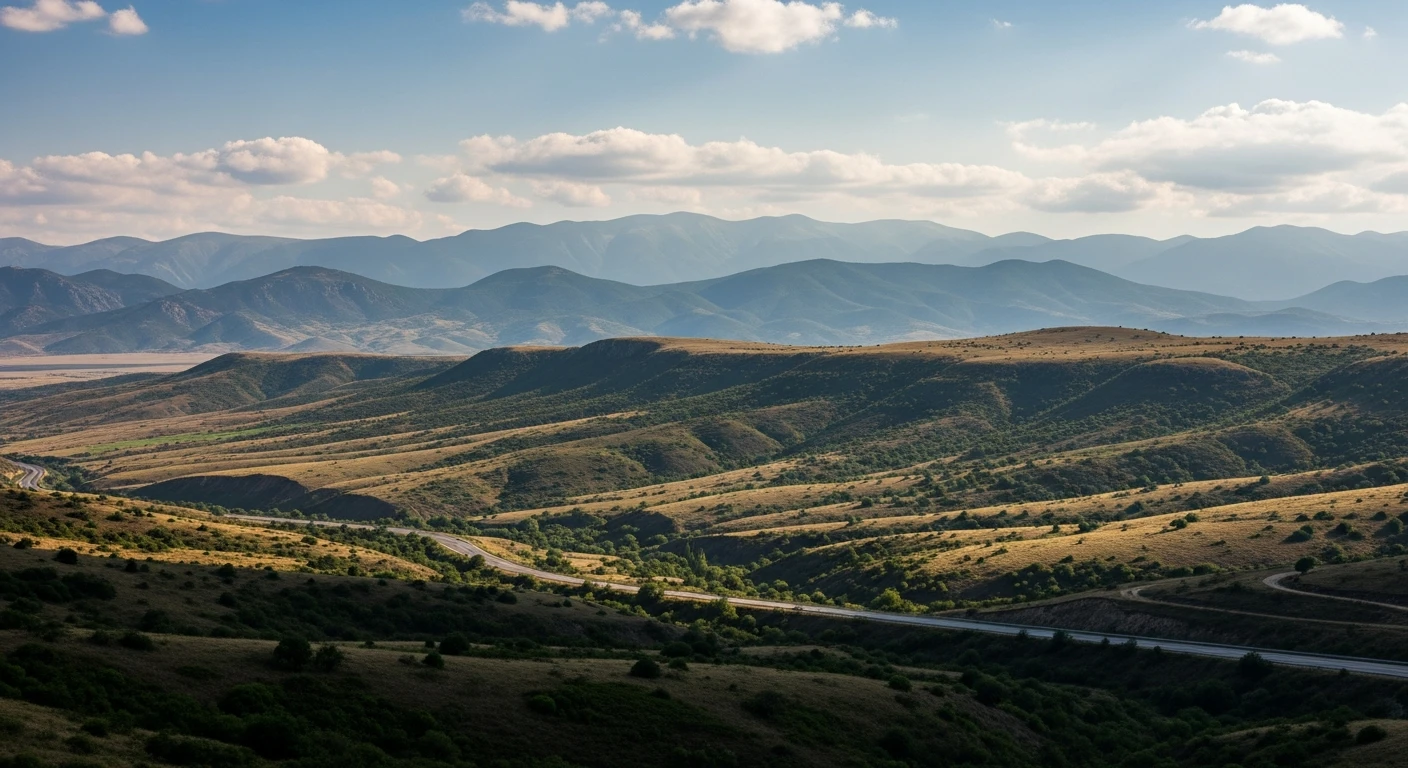
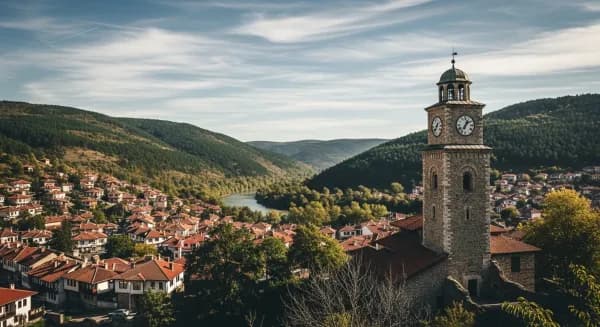
Dragoman, located on the outskirts of Sofia, is a fascinating blend of history, culture, and natural beauty. Nestled in the western part of Bulgaria, Dragoman is often overshadowed by the vibrant capital city of Sofia. However, this hidden gem offers a unique glimpse into Bulgaria's past and present. The town is named after the Dragoman Pass, a significant historical route that has served as a conduit for traders and armies throughout the ages.
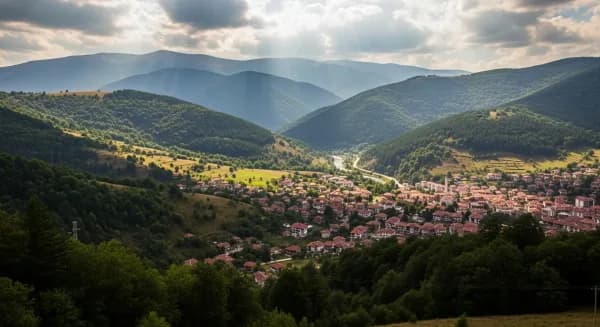
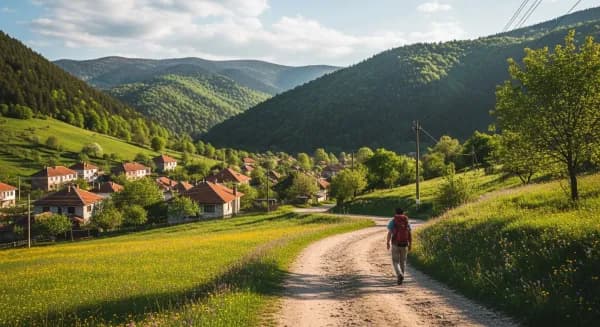
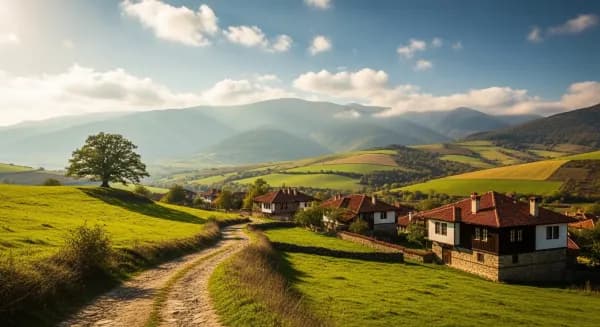
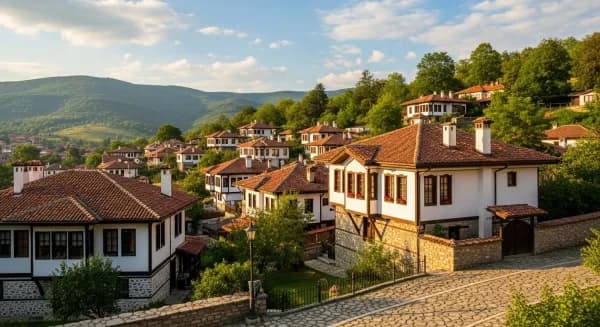
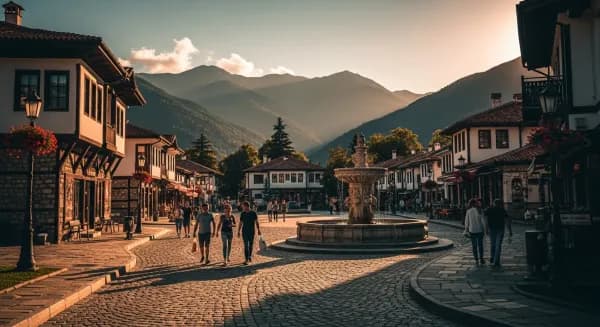
Dragoman's geographical location is quite strategic, lying close to the Serbian border and surrounded by the picturesque Dragoman Marsh, a haven for birdwatchers and nature enthusiasts. The vibe in Dragoman is tranquil and laid-back, a stark contrast to the bustling streets of Sofia. The town exudes a rustic charm with its quaint houses, friendly locals, and a slower pace of life that invites visitors to unwind and explore at their leisure.
The history of Dragoman is deeply intertwined with that of Sofia and Bulgaria at large. It has witnessed the rise and fall of empires, from the Thracians to the Romans, and later the Ottomans. Each era has left its mark, contributing to the rich tapestry that defines Dragoman today. The town's historical significance is further highlighted by its proximity to the Dragoman Marsh, which has been a key ecological site for centuries.
When visiting Dragoman, choosing the right place to stay can greatly enhance your experience. For those seeking luxury, the areas closer to the marsh offer boutique hotels with stunning views of the surrounding landscapes. These accommodations often include modern amenities while maintaining a touch of Bulgarian tradition, providing a perfect blend of comfort and culture.
For budget travelers, the central part of Dragoman offers a variety of guesthouses and hostels. These budget-friendly options are not only economical but also provide an opportunity to immerse oneself in the local way of life. Staying in these areas allows visitors to experience the warmth and hospitality of the locals, making for a memorable stay.
Navigating Dragoman like a local requires a bit of planning but is relatively simple. The town is well-connected to Sofia via road and rail, making it easily accessible for day trips or longer stays. The most common mode of transportation within Dragoman is the local bus service, which is both affordable and efficient.
For those who prefer more flexibility, renting a car is a great option. This allows for exploration of the surrounding areas at your own pace. Bicycles are also a popular choice for getting around, especially for those looking to explore the natural beauty of the Dragoman Marsh and its surroundings.
Dragoman serves as a gateway to several hidden gems in the vicinity of Sofia. One of the most notable excursions is to the Dragoman Marsh, a protected area that is home to a diverse range of bird species. It's a paradise for birdwatchers and anyone interested in ecology and conservation.
Another must-visit is the nearby village of Godech, known for its beautiful landscapes and the Godech Waterfall. This excursion offers a chance to experience the serene beauty of Bulgaria's countryside, away from the hustle and bustle of Sofia.
For history enthusiasts, a trip to the ancient Roman ruins in the area is highly recommended. These sites provide a fascinating insight into the region's past and its role in the broader historical context of the Balkans.
The best time to visit Dragoman largely depends on what you wish to experience. Spring (April to June) is ideal for nature lovers, as the marsh comes alive with blooming flora and migratory birds. The temperatures are mild, making it perfect for outdoor activities and excursions.
Summer (July to August) is warmer and drier, suitable for those who enjoy hiking and exploring the outdoors. However, it can get quite hot, so staying hydrated and wearing sun protection is advisable.
Autumn (September to November) offers a picturesque landscape with vibrant fall colors. It's a great time for photography enthusiasts and those looking to enjoy the natural beauty of the area without the summer crowds.
Winter (December to March) can be cold, with occasional snowfall. While it might not be ideal for outdoor excursions, it offers a unique charm and is a quieter time to explore the cultural aspects of Dragoman and Sofia.
The weather in Dragoman varies significantly throughout the year, offering a different atmosphere each season. January is the coldest month, with temperatures often dropping below freezing. Snow is common, creating a serene winter wonderland.
February and March see a gradual warming, with temperatures rising and the first signs of spring appearing. April and May are characterized by mild temperatures and occasional rain showers, perfect for exploring the outdoors.
June to August are the warmest months, with temperatures often reaching the high 20s Celsius. This is the peak tourist season, especially for those visiting Sofia and nearby attractions.
September and October bring cooler temperatures and vibrant autumn colors, while November marks the transition into winter, with temperatures dropping and the first snowfall possible.
The culture in Dragoman is a reflection of Bulgaria's rich heritage, with a blend of traditions, festivals, and local customs. The people of Dragoman are known for their hospitality and warmth, always ready to welcome visitors with open arms.
One of the most significant cultural events is the annual Dragoman Bird Festival, celebrating the diverse avian life of the marsh. It attracts birdwatchers and nature enthusiasts from Sofia and beyond, offering a unique cultural experience.
Traditional Bulgarian music and dance are integral to the local culture, with performances often held during festivals and community events. Visitors are encouraged to participate, offering a chance to experience the vibrant local traditions firsthand.
Etiquette in Dragoman, much like in Sofia, emphasizes respect and politeness. It's customary to greet locals with a friendly "Zdravei" (Hello) and to show appreciation for their hospitality.
The culinary scene in Dragoman is a delightful exploration of traditional Bulgarian flavors. One must-try dish is "Shopska Salad," a refreshing mix of tomatoes, cucumbers, onions, and feta cheese, often enjoyed as a starter.
For a heartier meal, "Kavarma," a slow-cooked stew made with pork or chicken and a variety of vegetables, is a local favorite. It's a dish that captures the essence of Bulgarian home cooking.
Visitors should also try "Banitsa," a pastry filled with cheese and eggs, commonly enjoyed as a breakfast item or snack. This dish is a staple in Bulgarian cuisine, loved by locals and visitors alike.
Dragoman offers a variety of attractions that are sure to captivate visitors. The Dragoman Marsh is undoubtedly the highlight, renowned for its biodiversity and stunning natural beauty. It's a perfect spot for birdwatching and photography, attracting nature lovers from Sofia and beyond.
The Dragoman Train Station, a historical landmark, offers a glimpse into the town's past. Built during the late 19th century, it stands as a testament to the region's rich railway history, connecting Sofia to the rest of Europe.
The Church of St. George, a quaint and charming church, is another must-visit. It is a fine example of Bulgarian Orthodox architecture, with beautiful frescoes and a serene atmosphere that invites reflection and contemplation.
For those interested in history, the nearby Roman ruins provide an intriguing look into the ancient past. These sites offer a fascinating insight into the region's historical significance and its role in the Roman Empire.
Finally, a visit to the local markets offers a chance to experience the vibrant local culture. Here, visitors can find a variety of local products, from handmade crafts to fresh produce, providing a taste of the everyday life in Dragoman and Sofia.
Nearby places worth adding to your itinerary.
Top stays in Dragoman picked for comfort, value, and great guest reviews.