Banovina
Explore stays
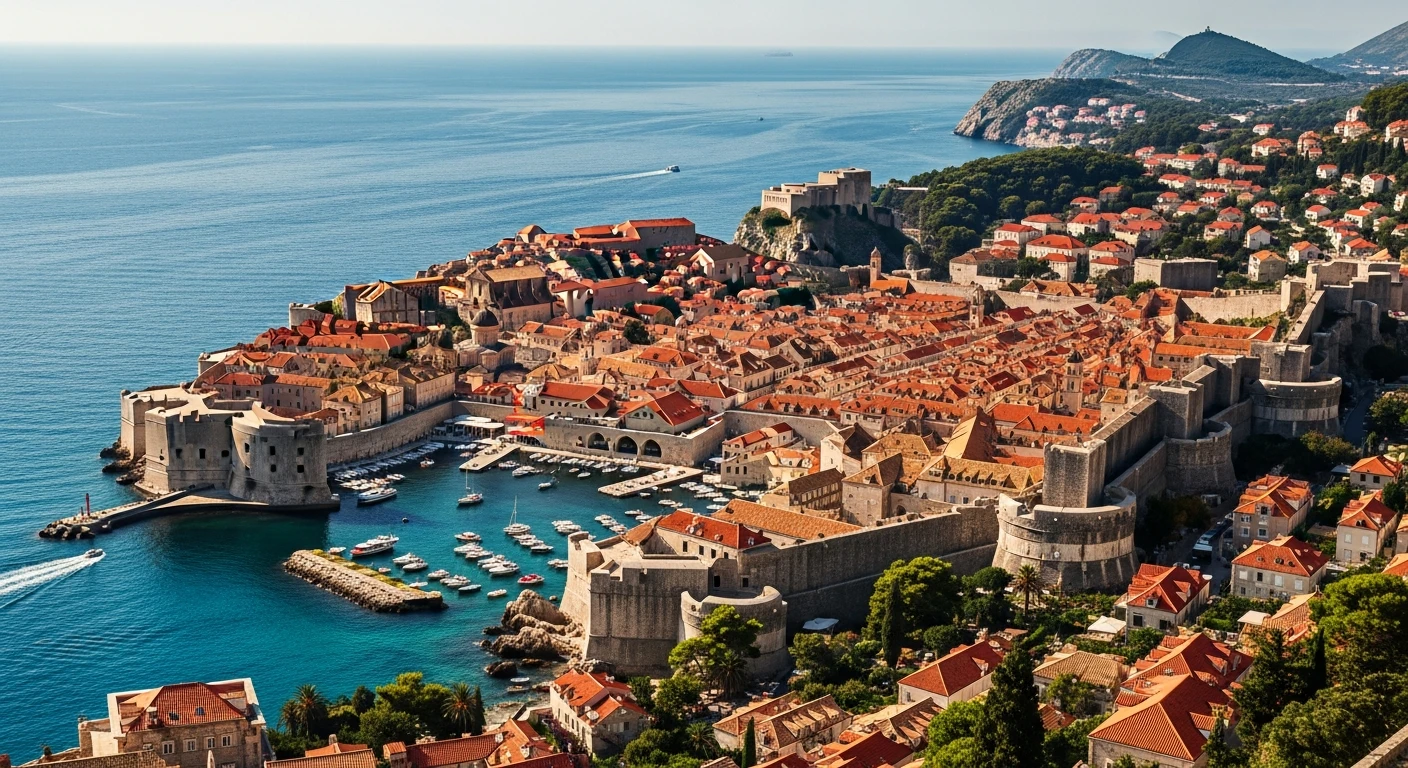
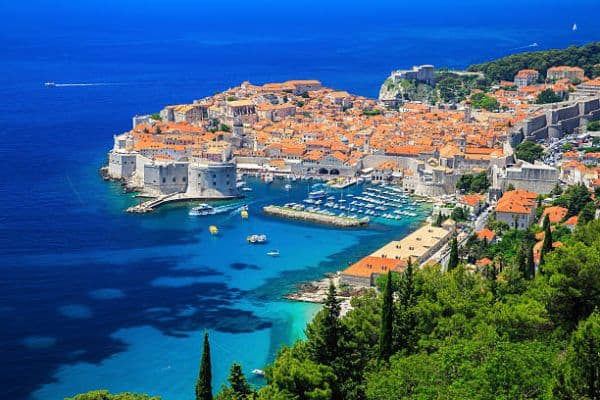
Dubrovnik-Neretva County, nestled in the southernmost part of Croatia, is a region steeped in history and brimming with natural beauty. Known as the 'Pearl of the Adriatic,' this area boasts a rich tapestry of cultural heritage, stunning landscapes, and a vibrant Mediterranean vibe. Dubrovnik, the county's capital, is a UNESCO World Heritage site, famed for its well-preserved medieval architecture, towering city walls, and its role as a filming location for the popular TV series, Game of Thrones.
The geography of Dubrovnik-Neretva is as diverse as it is enchanting. The region stretches from the azure waters of the Adriatic Sea to the lush, green valleys of the Neretva River. This blend of coastal and inland environments offers a unique mix of experiences, from sun-soaked beaches to serene river landscapes. The Elaphiti Islands, a small archipelago off the coast, provide an idyllic escape with their secluded beaches and charming villages.
Dubrovnik-Neretva exudes a relaxed yet sophisticated atmosphere. The cobblestone streets of Dubrovnik's Old Town are alive with the chatter of locals and tourists alike, while the region's rural areas offer a slower pace of life, where tradition remains deeply rooted. This juxtaposition of old-world charm and modern vibrancy makes Dubrovnik-Neretva a captivating destination for travelers seeking both adventure and relaxation in Croatia.
Accommodation in Dubrovnik-Neretva caters to a wide range of preferences and budgets. For those seeking luxury, the historic Ploče area in Dubrovnik offers opulent hotels with breathtaking views of the Adriatic Sea and the iconic city walls. Properties like the Hotel Excelsior and Villa Dubrovnik provide top-tier amenities and service, ensuring a lavish stay.
Budget-conscious travelers will find plenty of options in the Lapad and Gruž areas, where guesthouses and hostels offer affordable lodging without compromising on comfort. These neighborhoods are well-connected to the Old Town, making them convenient bases for exploration.
For a more tranquil experience, consider staying on one of the Elaphiti Islands, such as Lopud or Šipan. These islands offer charming boutique hotels and private villas, perfect for those looking to escape the hustle and bustle of Dubrovnik while still being within easy reach of its attractions.
Navigating Dubrovnik-Neretva like a local is both convenient and enjoyable. The region boasts a well-developed public transportation system, with buses being the primary mode of transport within Dubrovnik. The Libertas bus network connects various parts of the city, including the Old Town, Lapad, and Gruž, offering frequent and affordable service.
For those looking to explore beyond Dubrovnik, ferries and catamarans provide access to the picturesque Elaphiti Islands and the charming town of Cavtat. Renting a car is also a popular option, allowing for greater flexibility to explore the region's hidden gems, such as the verdant Konavle Valley and the historic town of Ston, known for its ancient salt pans and impressive city walls.
Bicycles and scooters are available for rent in Dubrovnik, offering a fun and eco-friendly way to explore the city and its surroundings. Walking, however, remains one of the best ways to soak in the historic atmosphere of Dubrovnik's Old Town, where cars are not permitted.
Beyond the well-trodden paths of Dubrovnik, Dubrovnik-Neretva is home to numerous hidden gems that await discovery. One such gem is the town of Ston, located on the Pelješac Peninsula. Known for its medieval walls, which are the second longest in the world, Ston also boasts some of the finest oysters in Croatia, harvested from the nearby Mali Ston Bay.
The Neretva River Delta is another must-visit, offering a unique landscape of wetlands and lagoons teeming with wildlife. Here, visitors can enjoy a traditional boat ride, known as a 'trupa,' through the delta's waterways, or indulge in fresh local produce at one of the region's many family-run farms.
For a taste of island life, embark on a day trip to the Elaphiti Islands. Each island has its own character, from the lush greenery of Koločep to the sandy beaches of Lopud. These islands are perfect for hiking, swimming, and simply soaking up the sun.
The best time to visit Dubrovnik-Neretva largely depends on what you wish to experience. The summer months of June to August are the peak tourist season, offering warm weather perfect for beach activities and outdoor excursions. However, this is also when the region is most crowded.
For those looking to avoid the crowds, the shoulder seasons of spring (April to June) and autumn (September to October) are ideal. During these months, the weather is still pleasant, and the region's attractions are less crowded, allowing for a more relaxed exploration.
Winter, from November to March, is the off-season, with cooler temperatures and fewer tourists. While some attractions may have reduced hours, this is a great time to experience the local culture and enjoy the festive atmosphere of Dubrovnik's winter events.
Dubrovnik-Neretva enjoys a Mediterranean climate, characterized by hot, dry summers and mild, wet winters. In January, the coldest month, temperatures average around 9°C (48°F), while in July, the warmest month, they can reach up to 29°C (84°F).
Spring sees temperatures gradually rising, with April and May offering pleasant weather perfect for exploring the region's natural beauty. The summer months are hot and dry, with July and August being the sunniest months, ideal for beachgoers.
Autumn brings cooler temperatures and occasional rain showers, particularly in November. This season is perfect for enjoying the region's culinary delights and exploring its historical sites without the summer crowds.
The culture of Dubrovnik-Neretva is a vibrant blend of history, tradition, and modern influences. The region is known for its rich cultural calendar, with numerous festivals and events celebrating everything from music and art to food and wine.
One of the most significant cultural events is the Dubrovnik Summer Festival, held annually from July to August. This festival transforms the city into a stage, with performances of theater, music, and dance taking place in the city's historic squares and fortresses.
The people of Dubrovnik-Neretva are known for their hospitality and warmth, welcoming visitors with open arms. It is customary to greet locals with a friendly 'Dobar dan' (Good day) and to show respect for local customs and traditions, such as dressing modestly when visiting religious sites.
The culinary scene in Dubrovnik-Neretva is a delightful reflection of its Mediterranean roots, with a focus on fresh, locally-sourced ingredients. Seafood is a staple, with dishes like black risotto (crni rižot) and grilled fish being must-tries for any visitor.
Peka, a traditional dish cooked under a bell-like dome, is a local favorite, often featuring lamb or octopus. The region is also known for its wines, particularly those from the Pelješac Peninsula, where the Plavac Mali grape variety produces robust red wines.
For a sweet treat, try the traditional Dubrovnik cake, a rich almond and orange-flavored dessert that captures the essence of the region's culinary heritage.
Dubrovnik-Neretva is home to a wealth of attractions that captivate visitors with their historical and cultural significance. The Old Town of Dubrovnik is undoubtedly the crown jewel, with its well-preserved city walls offering stunning views of the Adriatic Sea. A walk along these walls is a must-do, providing a unique perspective of the city's medieval architecture.
Another iconic landmark is the Rector's Palace, a Gothic-Renaissance masterpiece that once served as the seat of government for the Republic of Ragusa. Today, it houses the Cultural History Museum, showcasing artifacts that tell the story of Dubrovnik's illustrious past.
For nature enthusiasts, the island of Mljet is a paradise of lush forests and crystal-clear lakes. The Mljet National Park is perfect for hiking and biking, with trails that lead to the serene shores of the Great and Small Lakes.
The town of Cavtat, just a short drive from Dubrovnik, offers a more laid-back experience with its picturesque harbor, historic architecture, and vibrant arts scene. Don't miss the chance to visit the Racic Mausoleum, a stunning work of art by sculptor Ivan Meštrović.
Lastly, the Sponza Palace, located in Dubrovnik's Old Town, is a testament to the city's rich history. This 16th-century building has served various purposes over the centuries, from a customs house to a mint. Today, it houses the city archives and hosts cultural events, making it a must-visit for history buffs.
Nearby places worth adding to your itinerary.