Armenia
Explore stays
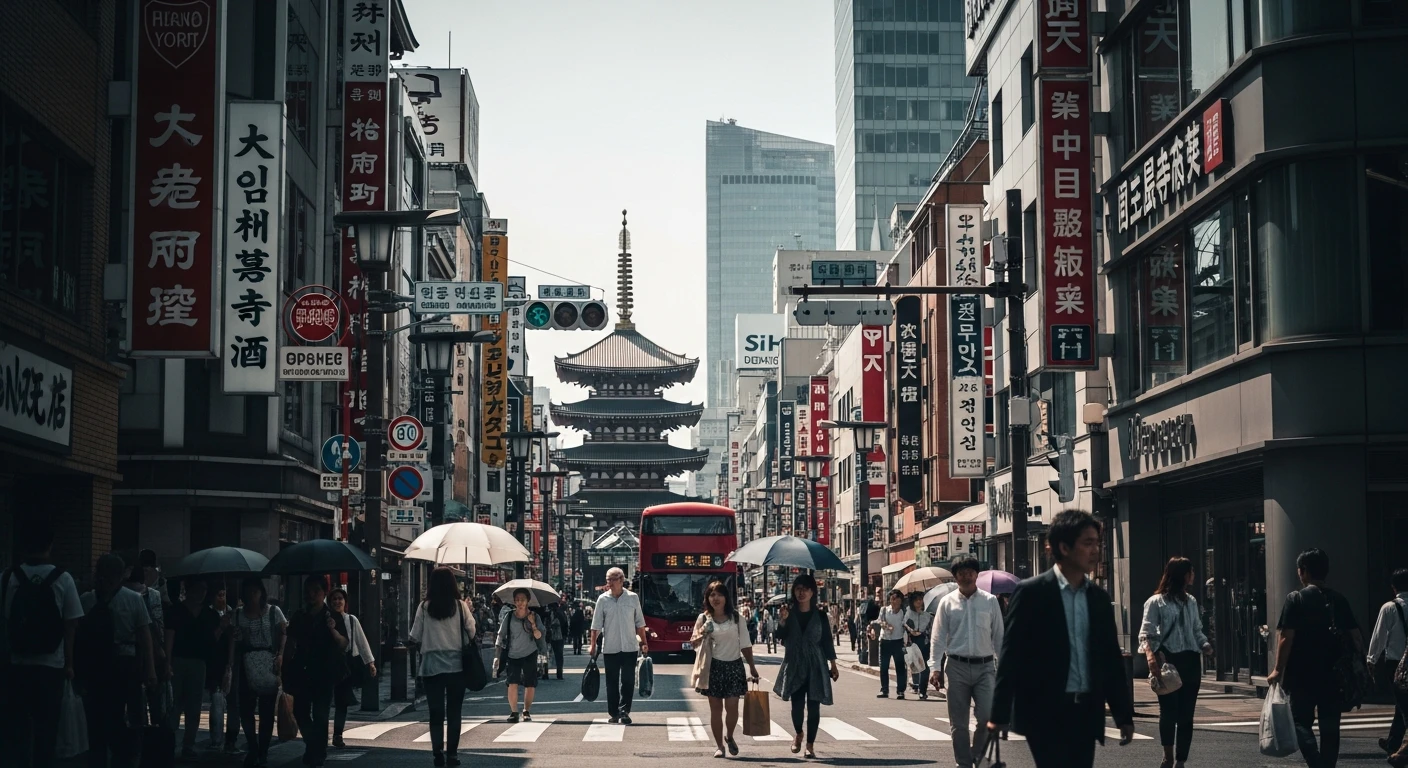
East Asia, a subregion of Asia, is a fascinating tapestry woven with rich history, diverse geography, and vibrant cultures. Encompassing countries like China, Japan, South Korea, and Taiwan, this region is a blend of ancient traditions and cutting-edge modernity. Historically, East Asia has been a cradle of civilization, with China being one of the world's oldest continuous cultures. The influence of Confucianism, Buddhism, and Taoism is deeply ingrained in the societal fabric of this region, shaping its philosophical and ethical outlook.
Geographically, East Asia is marked by a variety of landscapes, from the towering Himalayas in the west to the sprawling plains of China and the volcanic archipelagos of Japan. This diversity not only defines the physical environment but also influences the climate, agriculture, and lifestyle of its inhabitants. The bustling metropolises like Tokyo, Seoul, and Beijing offer a stark contrast to the serene countryside and historic sites scattered throughout the region.
The vibe of East Asia is a harmonious blend of the old and the new. While cities are hubs of innovation and technology, rural areas preserve age-old customs and traditions. Visitors can experience the tranquility of ancient temples and gardens, juxtaposed with the dynamic energy of city life. This duality makes East Asia a captivating destination for travelers seeking both cultural enrichment and modern-day excitement.
In East Asia, accommodation options cater to a wide range of preferences and budgets. Luxury travelers can indulge in opulent hotels and resorts, such as the Ritz-Carlton in Tokyo or the Peninsula in Shanghai, which offer world-class amenities and service. These establishments are often located in prime areas, providing easy access to major attractions and business districts.
For budget-conscious travelers, East Asia offers a plethora of affordable options, including hostels, guesthouses, and capsule hotels. Areas like Hongdae in Seoul and Shinjuku in Tokyo are popular among backpackers for their vibrant nightlife and affordable lodging. Staying in these neighborhoods allows travelers to immerse themselves in local culture and enjoy the bustling city life without breaking the bank.
Additionally, traditional accommodations such as ryokans in Japan and hanoks in South Korea provide a unique cultural experience. These stays offer a glimpse into the region's rich heritage, allowing guests to enjoy traditional architecture, local cuisine, and customs.
Getting around East Asia is remarkably efficient, thanks to its well-developed transportation infrastructure. High-speed trains, such as Japan's Shinkansen and China's CRH, connect major cities, offering a fast and comfortable way to travel long distances. These trains are known for their punctuality and convenience, making them a popular choice among locals and tourists alike.
In urban areas, public transportation systems are extensive and user-friendly. Subways and buses in cities like Tokyo, Seoul, and Taipei are well-maintained and reliable, with signs and announcements often available in multiple languages. For shorter distances, taxis and ride-sharing services are readily available, though it's advisable to have your destination written in the local language to avoid any confusion.
For a more immersive experience, consider renting a bicycle or exploring on foot. Many cities have dedicated bike lanes and pedestrian-friendly areas, allowing travelers to discover hidden gems and enjoy the local atmosphere at a leisurely pace.
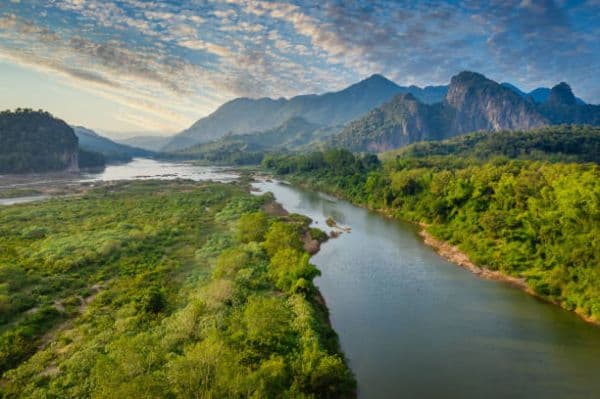
Beyond the bustling cities, East Asia offers numerous hidden gems for those willing to venture off the beaten path. In China, the picturesque landscapes of Guilin, with its limestone karsts and serene rivers, provide a tranquil escape from urban life. Visitors can take a leisurely cruise along the Li River or explore the ancient town of Yangshuo.
In Japan, the island of Hokkaido is a haven for nature lovers, offering stunning landscapes, hot springs, and outdoor activities like skiing and hiking. The region's national parks are home to diverse wildlife and breathtaking scenery, making it a perfect destination for eco-tourism.
South Korea's Jeju Island, known for its volcanic landscapes and pristine beaches, is a popular destination for both locals and tourists. Visitors can explore the island's unique geological features, such as the Manjanggul Lava Tube, or relax on its sandy shores.
The best time to visit East Asia varies depending on the country and the activities you plan to pursue. Generally, spring (March to May) and autumn (September to November) are considered ideal due to the mild weather and beautiful natural scenery. During these seasons, cherry blossoms in Japan and South Korea create stunning landscapes, while China's countryside is adorned with vibrant autumn foliage.
Summer (June to August) can be hot and humid, especially in southern regions, but it's also a time for lively festivals and outdoor activities. Winter (December to February) offers a different charm, with opportunities for skiing in Japan and South Korea, and experiencing traditional winter festivals.
It's advisable to check specific weather conditions and cultural events for each country when planning your trip, as they can greatly enhance your travel experience.
East Asia's climate varies significantly across the region, influenced by its diverse geography. In general, the northern areas experience cold winters and warm summers, while the southern regions have milder winters and hot, humid summers.
In January, temperatures can drop below freezing in northern China and Japan, while southern areas like Hong Kong enjoy milder weather. By April, cherry blossoms bloom, marking the arrival of spring with pleasant temperatures.
July and August are the hottest months, with temperatures soaring in cities like Beijing and Tokyo. However, coastal areas and higher altitudes offer a respite from the heat. By October, autumn brings cooler weather and vibrant foliage, making it a popular time for travel.
East Asia's culture is a rich tapestry of traditions, festivals, and social norms. Festivals play a significant role in the cultural landscape, with events like China's Lunar New Year, Japan's Hanami (cherry blossom viewing), and South Korea's Chuseok (harvest festival) drawing both locals and tourists.
The people of East Asia are known for their hospitality and respect for tradition. Etiquette is important, and visitors should be mindful of local customs, such as removing shoes before entering homes, bowing as a form of greeting, and using both hands when offering or receiving items.
Art and literature are integral to East Asian culture, with a long history of calligraphy, painting, and poetry. Modern pop culture, particularly in Japan and South Korea, has gained global popularity, influencing fashion, music, and entertainment worldwide.
East Asian cuisine is a delightful journey for the taste buds, offering a diverse array of flavors and dishes. Each country has its own culinary identity, with staples like rice, noodles, and seafood at the core.
In China, must-try dishes include Peking duck, dim sum, and hot pot, each with its own regional variations. Japan is renowned for sushi, ramen, and tempura, while South Korea offers kimchi, bibimbap, and Korean barbecue.
Street food is an essential part of the dining experience, with bustling markets offering delicacies like Taiwan's stinky tofu and Hong Kong's egg waffles. The culinary history of East Asia is deeply rooted in tradition, with influences from neighboring regions and a focus on fresh, seasonal ingredients.
East Asia boasts a wealth of iconic landmarks that showcase its rich history and cultural heritage. The Great Wall of China, a UNESCO World Heritage site, stretches over 13,000 miles and offers breathtaking views of the surrounding landscapes. Visitors can explore well-preserved sections near Beijing, such as Mutianyu and Jinshanling.
In Japan, the ancient city of Kyoto is home to over 2,000 temples and shrines, including the iconic Kinkaku-ji (Golden Pavilion) and Fushimi Inari Taisha, famous for its thousands of red torii gates. The city's historic districts, like Gion, offer a glimpse into traditional Japanese culture.
Seoul's Gyeongbokgung Palace, built during the Joseon Dynasty, is a must-visit for history enthusiasts. The palace complex features stunning architecture and beautifully landscaped gardens, with daily changing of the guard ceremonies adding to its allure.
Taiwan's Taroko Gorge, located within Taroko National Park, is a natural wonder characterized by its towering marble cliffs, lush forests, and winding rivers. Visitors can hike the numerous trails, offering panoramic views of the gorge's dramatic scenery.
Lastly, Hong Kong's Victoria Peak provides a stunning vantage point of the city's skyline and harbor. Visitors can take the historic Peak Tram to the summit, where they can enjoy panoramic views and explore the surrounding nature trails.
Nearby places worth adding to your itinerary.
Top stays in East Asia picked for comfort, value, and great guest reviews.