
Hwanghae
Explore stays
North Korea, officially known as the Democratic People's Republic of Korea (DPRK), is a country located in East Asia, bordered by China and Russia to the north and South Korea to the south. The Korean Peninsula has a rich history dating back thousands of years, with a unique blend of cultural and political influences shaping its present-day identity.
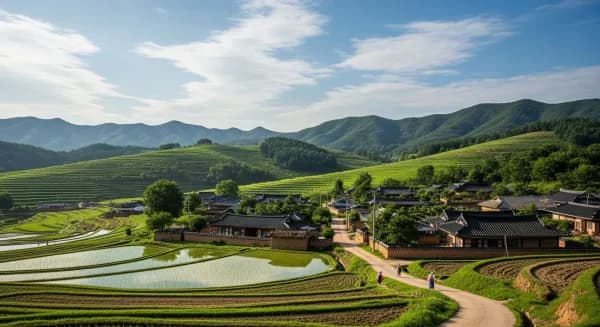
The geography of North Korea is characterized by its mountainous terrain, with the Paektu Mountain being the highest peak. This mountain is not only a natural wonder but also holds significant cultural and historical importance, being the mythical birthplace of the Korean nation. The country is traversed by numerous rivers and is home to diverse ecosystems.
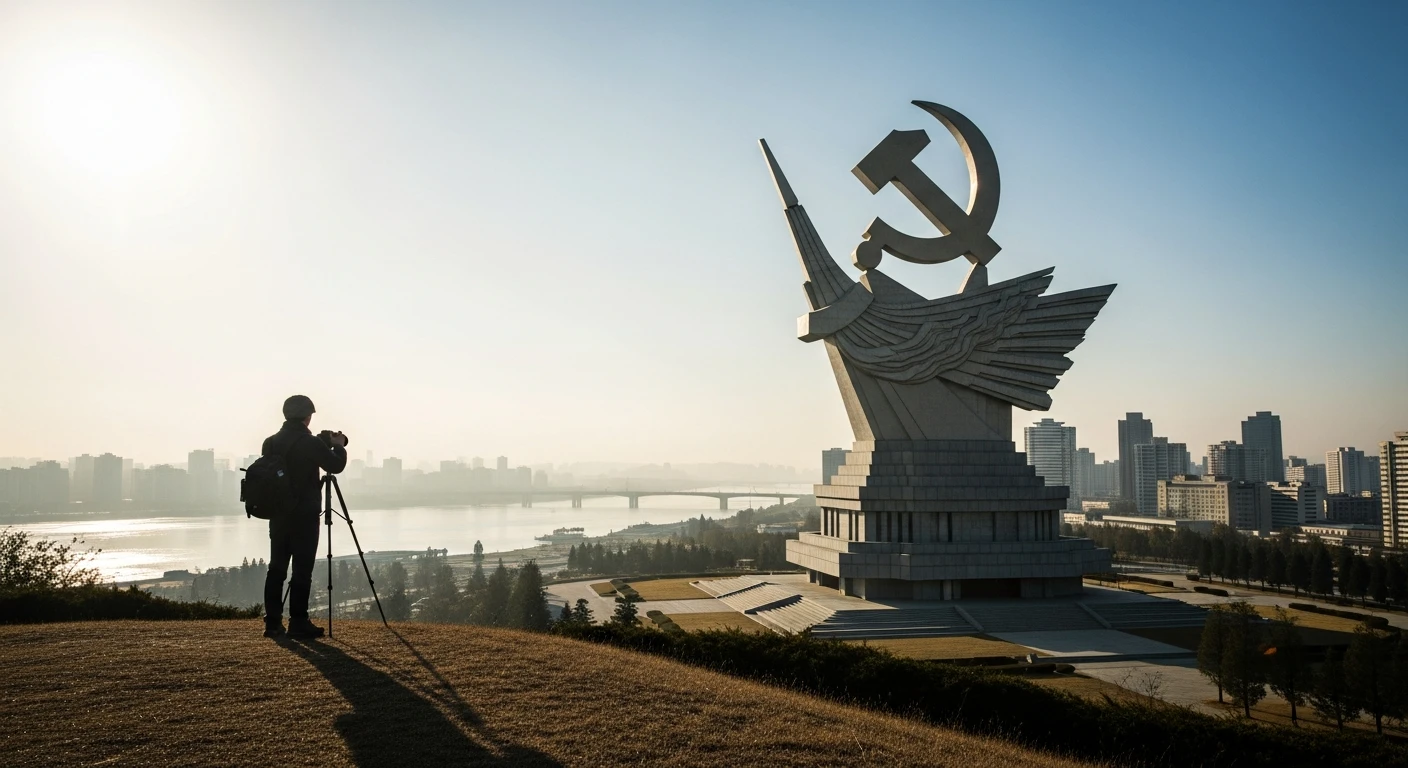
The vibe in North Korea is one of mystery and intrigue, with its tightly controlled society and distinct political system. The capital city, Pyongyang, presents a unique blend of Soviet-style architecture and grandiose monuments that reflect the country's ideologies. Visitors often describe the atmosphere as surreal, offering a rare glimpse into a world vastly different from the rest of East Asia.
Accommodation in North Korea is generally organized through state-approved tours, which provide a range of options from luxury hotels to more budget-friendly stays. In Pyongyang, the Yanggakdo International Hotel and the Koryo Hotel are popular choices for those seeking comfort and amenities.
For travelers on a budget, the Ryanggang Hotel offers more economical options while still providing a unique experience. Staying in these hotels often includes unique features such as revolving restaurants and traditional Korean performances, giving visitors a taste of local culture.
Outside of Pyongyang, accommodation options are more limited but equally fascinating, with guesthouses in smaller cities like Kaesong offering insights into the local way of life in East Asia.
Getting around North Korea is primarily facilitated through guided tours, with transportation arranged by the tour operators. In Pyongyang, public transportation includes a metro system known for its deep, ornate stations, reminiscent of those found in Moscow.
Travel between cities is usually conducted via chartered buses or trains, providing a controlled yet scenic view of the North Korean countryside. It's important to note that independent travel within the country is not permitted, and all movements are closely monitored.
Despite these restrictions, the organized transport system ensures that visitors can explore the key attractions with ease and comfort, offering a structured yet immersive experience in East Asia.
Beyond the main cities, North Korea offers several hidden gems for those seeking to explore the less-trodden paths of East Asia. The Demilitarized Zone (DMZ) is a popular excursion, providing a stark reminder of the ongoing tensions between North and South Korea.
For nature enthusiasts, Mount Kumgang offers breathtaking landscapes and is known for its scenic hiking trails. The mountain is a symbol of beauty in Korean culture and offers a serene escape from the urban environment.
Another intriguing destination is the city of Kaesong, a UNESCO World Heritage site known for its well-preserved historical architecture and ancient tombs, offering a glimpse into Korea's dynastic past.
The best time to visit North Korea is during the spring (April to June) and autumn (September to October) months. These seasons offer mild temperatures and clear skies, ideal for exploring the country's natural and historical sites.
Spring brings the blooming of cherry blossoms, adding a picturesque charm to the landscape, while autumn is marked by vibrant foliage, creating a stunning backdrop for sightseeing.
Visiting during these periods also aligns with several national holidays and festivals, providing an opportunity to experience the cultural vibrancy of East Asia.
North Korea experiences a continental climate with four distinct seasons. January is the coldest month, with temperatures often dropping below freezing, making it a challenging time for travel.
In contrast, July and August are the warmest months, with temperatures rising significantly, accompanied by high humidity and frequent rainfall. This period is less ideal for travel due to the monsoon season.
September and October are considered the most pleasant months, with moderate temperatures and minimal rainfall, offering comfortable conditions for exploring the diverse landscapes of East Asia.
North Korean culture is deeply rooted in its political ideology, with a strong emphasis on collective identity and national pride. Festivals such as the Day of the Sun, celebrating the birth of Kim Il-sung, are grand events showcasing the country's cultural and artistic achievements.
The people of North Korea are known for their strong sense of community and discipline, traits that are reflected in their everyday interactions. Visitors are expected to adhere to local customs and show respect for the country's traditions and leadership.
Etiquette is important, and understanding the social norms is crucial for a respectful and enjoyable visit. This includes dressing modestly and refraining from discussing sensitive political topics.
North Korean cuisine is characterized by its simplicity and reliance on locally available ingredients. Must-eat dishes include kimchi, a staple fermented vegetable dish, and naengmyeon, a cold noodle soup often enjoyed during the summer months.
Another popular dish is bulgogi, a marinated beef dish that highlights the rich flavors of Korean barbecue. The culinary history of North Korea is intertwined with its agricultural practices, emphasizing sustainability and self-reliance.
Dining in North Korea offers a unique opportunity to experience traditional Korean flavors, often accompanied by performances that showcase the country's artistic heritage in East Asia.
North Korea boasts several iconic landmarks that offer insights into its historical and cultural identity. The Kumsusan Palace of the Sun, the mausoleum of Kim Il-sung and Kim Jong-il, is a significant site that reflects the country's reverence for its leaders.
The Juche Tower, standing as a symbol of the Juche ideology, offers panoramic views of Pyongyang and is an architectural marvel that attracts visitors from across East Asia.
Another must-visit is the Victorious War Museum, which provides a detailed account of the Korean War from the North Korean perspective, complete with life-sized dioramas and historical exhibits.
The Arch of Triumph, larger than its Parisian counterpart, commemorates the Korean resistance against Japanese occupation and is a testament to the country's historical resilience.
Finally, the Mansudae Grand Monument, featuring grand statues of Kim Il-sung and Kim Jong-il, is a site of national significance where visitors can observe the deep respect and admiration held by the North Korean people for their leaders.
Nearby places worth adding to your itinerary.
Top stays in North Korea picked for comfort, value, and great guest reviews.