
Abaiang
Explore stays
The Gilbert Islands, part of the Republic of Kiribati, are an enchanting group of atolls and islands situated in the central Pacific Ocean. These islands have a rich history that dates back to the first settlement by Austronesian-speaking peoples over 3,000 years ago. The islands were named after the British captain Thomas Gilbert, who was among the first Europeans to sail through the area in the late 18th century.
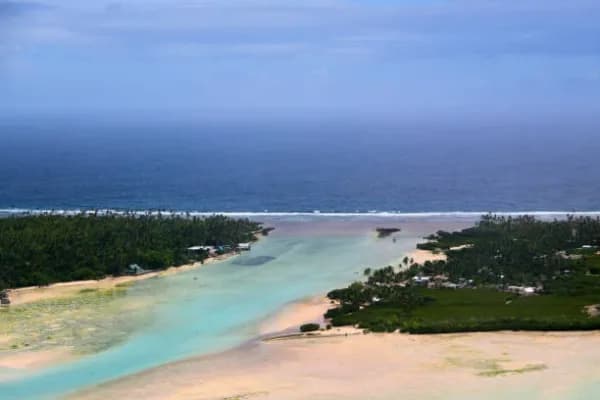
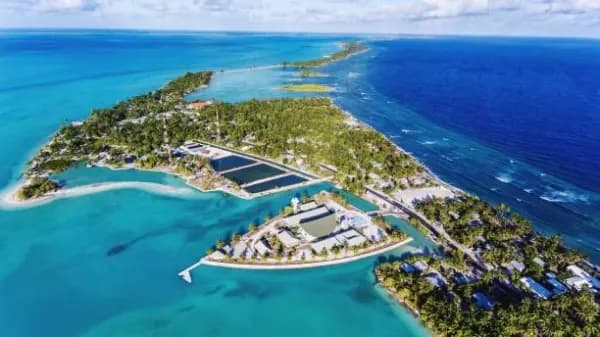
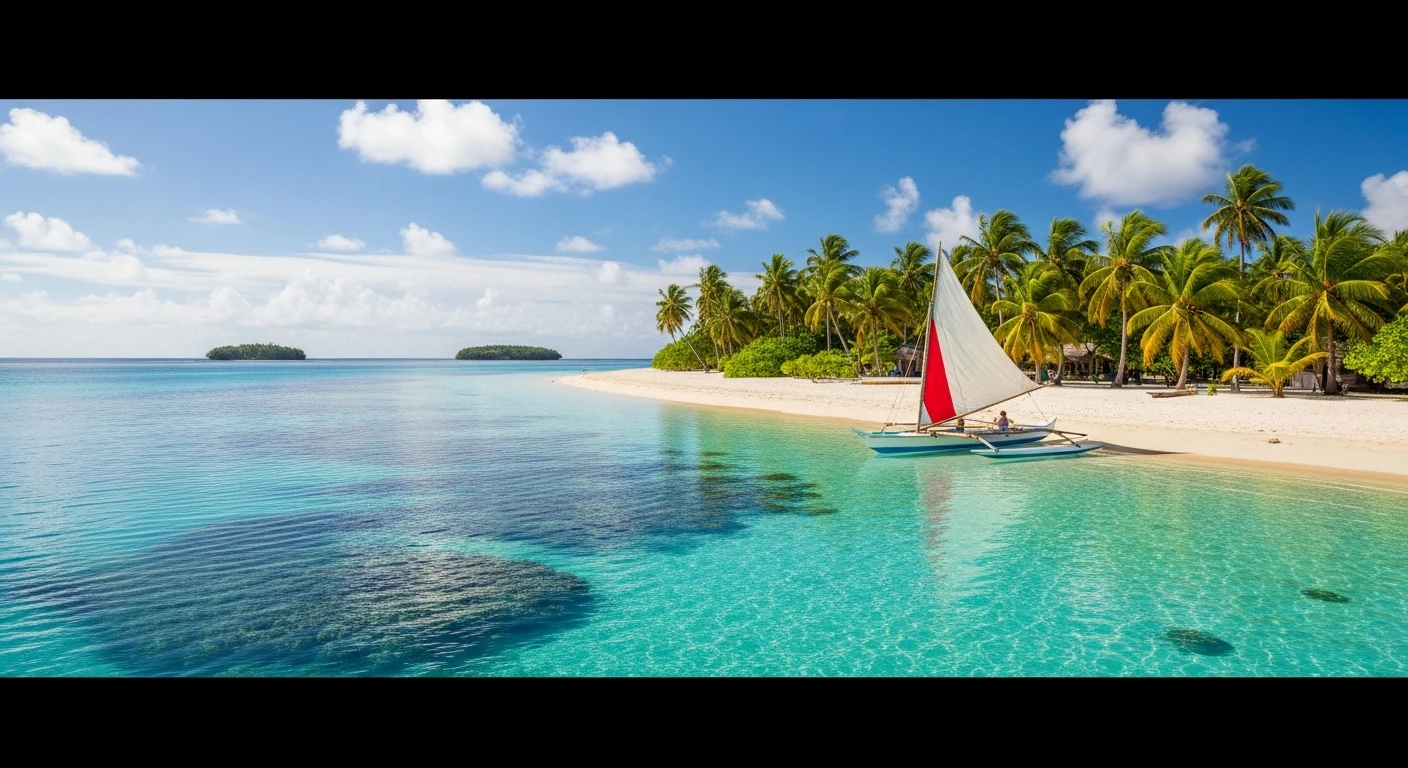
The geography of the Gilbert Islands is characterized by their low-lying coral atolls and lagoons. These islands are known for their stunning natural beauty, with white sandy beaches and crystal-clear waters that stretch as far as the eye can see. The vibe here is laid-back and tranquil, offering a perfect escape for those looking to unwind and reconnect with nature.
Despite being remote, the Gilbert Islands hold a vibrant cultural heritage that is palpable in the daily lives of the I-Kiribati people. Visitors often find themselves captivated by the harmonious blend of tradition and simplicity that defines life on these islands. From the rhythmic sounds of traditional music to the vibrant colors of local crafts, the Gilbert Islands offer a unique glimpse into the rich tapestry of Kiribati culture.
When it comes to accommodations, the Gilbert Islands offer a variety of options that cater to both luxury seekers and budget-conscious travelers. For those looking to immerse themselves in opulence, the island of Tarawa provides several high-end resorts offering luxurious amenities, beachside villas, and world-class dining experiences.
Alternatively, budget travelers can find a range of affordable guesthouses and lodges that offer a cozy and authentic stay. Areas such as Bikenibeu and Betio are popular among backpackers and solo travelers for their affordable accommodations and proximity to local attractions.
Regardless of where you choose to stay, the hospitality of the Kiribati people is a highlight of any visit, with locals eager to share their culture and stories with visitors.
Getting around the Gilbert Islands is an adventure in itself. Local transportation primarily consists of minibusses, known as 'buses', which are an affordable and efficient way to navigate the islands. These minibusses operate on a flexible schedule, picking up and dropping off passengers at various points along the main roads.
For those who prefer a more personalized mode of transport, bicycles and scooters are available for rent, allowing travelers to explore the islands at their own pace. Cycling is particularly popular as it offers an intimate experience with the island's natural beauty and local life.
Inter-island travel is facilitated by small boats and domestic flights, connecting to other parts of Kiribati, making it easy to explore beyond the Gilberts.
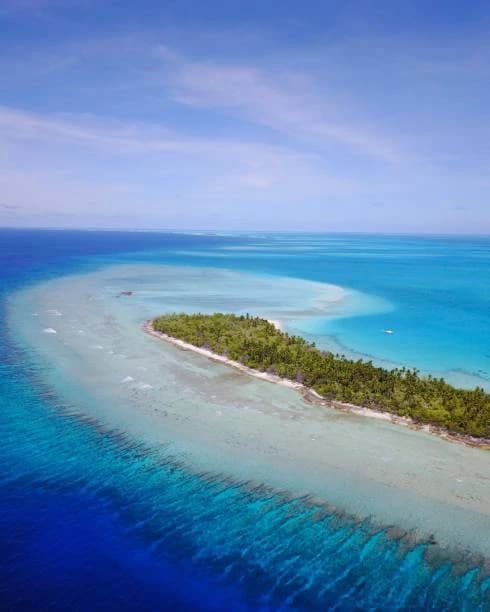
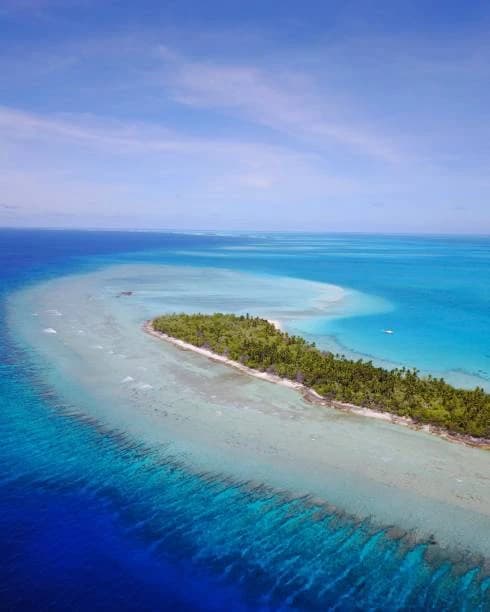
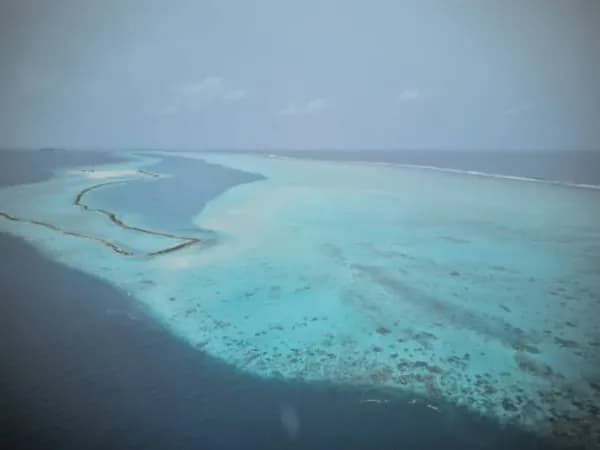
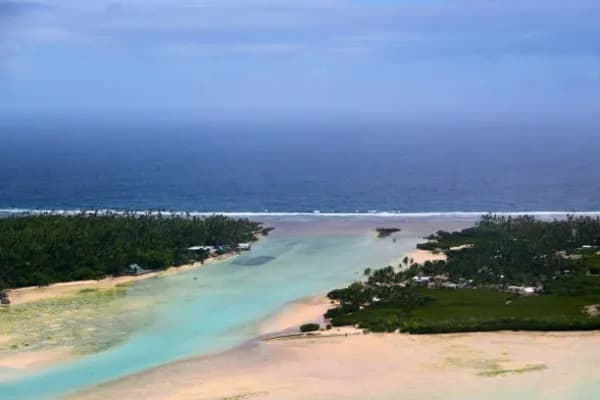
While the Gilbert Islands themselves are a treasure trove of natural beauty, there are several hidden gems in the surrounding areas that are worth exploring. One such excursion is a trip to the uninhabited island of Abaiang, renowned for its pristine beaches and vibrant marine life.
For history enthusiasts, a visit to the remains of World War II relics scattered across Betio Island offers a fascinating insight into the region's wartime past. These relics include rusting tanks and artillery, remnants of the fierce battles fought here.
Another must-visit is the Buota islet, accessible by a causeway from Tarawa. It's a haven for bird watchers, with many rare and endemic species to spot amidst the lush vegetation.
The best time to visit the Gilbert Islands in Kiribati is during the dry season, which runs from April to October. During these months, the weather is typically sunny and pleasant, making it ideal for beach activities and outdoor exploration.
The wet season, from November to March, brings heavier rainfall and occasional storms. However, this period can also be a serene time to visit, with fewer tourists and lush landscapes.
Regardless of the season, the islands offer a warm welcome and plenty of opportunities to enjoy their natural beauty and cultural richness.
The climate in the Gilbert Islands is equatorial, characterized by consistent temperatures year-round. January and February are the warmest months, with temperatures often reaching the high 80s Fahrenheit (around 30°C).
March through May sees the transition into the cooler dry season, with temperatures averaging in the mid-80s Fahrenheit (around 29°C). June, July, and August are the coolest months, perfect for those who prefer milder weather.
September and October mark a gradual return to warmer temperatures, with occasional showers that refresh the landscape.
The culture of the Gilbert Islands is deeply rooted in the traditions and customs of the I-Kiribati people. Community and family play a central role in daily life, with extended families often living together and participating in communal activities.
Festivals are a vibrant aspect of Kiribati culture, with events such as Te Maeva Nui, a national celebration that showcases traditional dance, music, and crafts. Visitors are often invited to join in the festivities, offering a unique opportunity to experience the warm hospitality of the Kiribati people.
Etiquette is important in Kiribati, with respect for elders and community leaders held in high regard. Visitors are encouraged to dress modestly and participate in the local customs and traditions.
Cuisine in the Gilbert Islands reflects the island's natural resources and cultural influences. Fresh seafood is a staple, with dishes such as 'te ika' (raw fish marinated in coconut cream) and grilled fish being popular choices.
Another must-try is 'bwabwai', a traditional taro dish often served during special occasions. Breadfruit and coconut are also commonly used in local cooking, adding unique flavors to the island's culinary offerings.
The history of food in Kiribati is one of adaptation and resilience, with the I-Kiribati people making the most of their environment to create nourishing and delicious meals.
Among the top attractions in the Gilbert Islands, the Parliament House in Ambo, Tarawa, stands out as a symbol of Kiribati's political history and independence. Its unique architecture and cultural significance make it a must-visit for those interested in the country's governance and development.
The Kiribati National Library and Archives in Bikenibeu offer insights into the rich history and culture of the nation, housing a vast collection of historical documents and artifacts.
For nature enthusiasts, the lagoon at Betio offers a stunning display of marine biodiversity, with opportunities for snorkeling and diving among vibrant coral reefs and tropical fish.
The Catholic Cathedral in Teaoraereke is another landmark worth exploring, featuring beautiful stained-glass windows and a serene atmosphere for reflection and appreciation of the local spiritual life.
Lastly, the traditional maneaba (meeting house) in each village is a cultural icon, where community decisions are made, and traditional dances and ceremonies are held, providing a glimpse into the communal life of the I-Kiribati people.
Nearby places worth adding to your itinerary.
Local guide picks to help you explore Gilbetr Islands better.