
Abaiang
Explore stays

Tamana is one of the lesser-known atolls of Kiribati, a nation made up of 33 islands scattered across the central Pacific Ocean. With a rich history steeped in the traditions of the I-Kiribati people, Tamana is often overshadowed by its more popular neighbors, but its unique charm and cultural significance make it a hidden gem. Historically, Tamana played a pivotal role in the fishing and copra industries, with its natural resources sustaining local communities for generations. The island is known for its breathtaking coral reefs, lush vegetation, and a lifestyle that closely aligns with the rhythms of nature.
Geographically, Tamana is situated in the Gilbert Islands group. It is characterized by its flat terrain, sandy beaches, and turquoise waters, making it a paradise for nature lovers and those seeking tranquility. The island is home to a small population, predominantly consisting of the I-Kiribati, who are renowned for their warmth and hospitality. The vibe in Tamana is laid-back and serene, allowing visitors to immerse themselves in the simple yet rich lifestyle of the locals. Visitors can experience traditional fishing methods, engage in cultural practices, and witness the stunning sunsets that paint the sky in hues of orange and pink.
When it comes to accommodation in Tamana, options are limited but offer a unique experience. The island primarily features guesthouses and lodges that reflect the local culture and hospitality. For those seeking luxury, the Tamana Lodge provides comfortable amenities with stunning ocean views, making it the top choice for travelers who wish to indulge in a bit more comfort while still experiencing the local vibe.
On the other hand, budget travelers can find affordable guesthouses that offer a more rustic experience. These lodgings are often run by local families, allowing visitors to connect with the community directly. Staying in these guesthouses provides an opportunity to enjoy home-cooked meals and learn about the island's traditions, making it a rewarding experience. Overall, whether you choose luxury or budget accommodations, Tamana promises a warm welcome and a unique insight into life in Kiribati.
Navigating Tamana is a straightforward experience, as the island is relatively small, and most areas can be explored on foot or by bicycle. Local transportation often includes bicycles, which are available for rent through guesthouses. This mode of transport not only allows you to see the island at your own pace but also gives you the chance to interact with locals along the way. Additionally, small outboard motorboats are available for hire, which can take you to nearby islets and fishing spots. Embracing the local way of travel enhances your experience and allows you to fully appreciate the island's beauty.
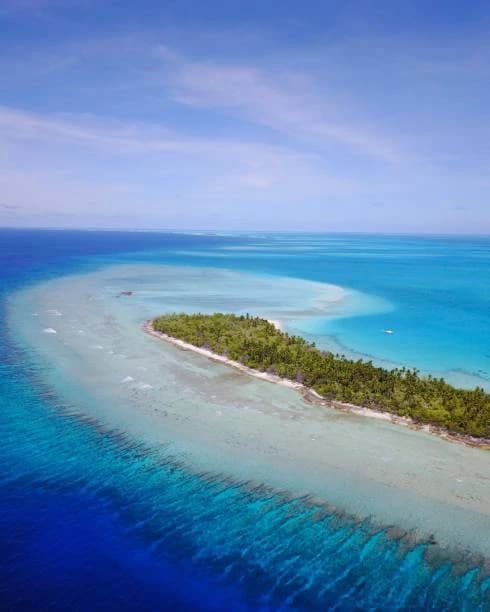
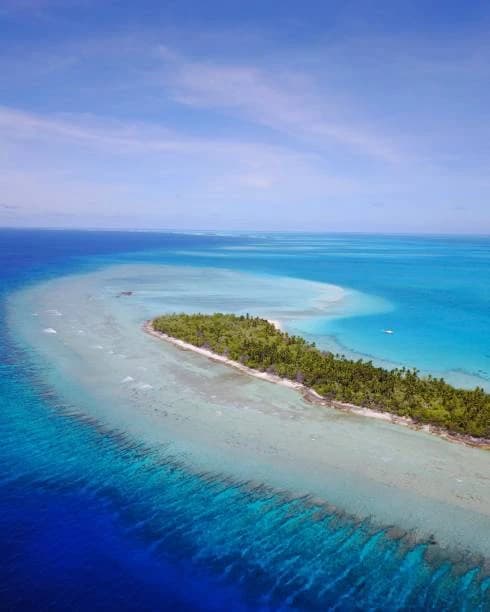
Tamana boasts several hidden gems that are perfect for day excursions. One such spot is the nearby islet of Abaiang, which is accessible by boat. This uninhabited islet features pristine beaches, crystal-clear waters, and excellent snorkeling opportunities. The vibrant underwater ecosystem is home to a variety of fish, making it a paradise for snorkelers and divers alike.
Another excursion worth taking is to the sacred site of Tanaea, where you can explore ancient fish traps and burial grounds that date back centuries. This site is not only significant in terms of history but also offers breathtaking views of the surrounding ocean. For those interested in cultural experiences, visiting local villages during traditional fishing days provides a glimpse into the unique lifestyle of the I-Kiribati and their deep connection to the ocean.
The best time to visit Tamana is during the dry season, which typically runs from May to October. During these months, the weather is pleasant, with lower humidity and minimal rainfall, making it ideal for outdoor activities and beach explorations. The dry season also coincides with several local festivals, providing an enriching cultural experience for visitors.
Conversely, the wet season from November to April brings higher humidity and increased rainfall, which can disrupt travel plans. However, this time can also be appealing for those looking to experience the lush greenery and vibrant landscapes that flourish during the rains. Ultimately, each season offers a different perspective on the beauty and culture of Kiribati.
The weather in Tamana is typically tropical, characterized by warm temperatures year-round. From January to March, temperatures hover around 30°C (86°F), with increased humidity and afternoon showers. April to June sees a slight dip in temperature, making it more comfortable for outdoor activities.
From July to September, the weather is at its best, with cooler temperatures and less humidity. October marks the transition into the wet season, with temperatures rising again. By December, the humidity increases, and rainfall becomes more frequent. Understanding these variations helps visitors plan their trip accordingly, ensuring a memorable experience in Kiribati.
The culture of Tamana is deeply rooted in the traditions and customs of the I-Kiribati people. Festivals play a significant role in the community, with the Te Kaimatoa festival being a highlight, showcasing traditional dancing, music, and local crafts. This festival provides an opportunity for visitors to engage with the community and learn about their customs firsthand.
The people of Tamana are known for their hospitality and friendliness. Etiquette is essential when interacting with locals; visitors are encouraged to greet people warmly and show respect for traditions. Engaging in local customs, such as participating in communal meals or learning traditional crafts, is appreciated and fosters a deeper connection with the community.
Culinary adventures in Tamana are a treat for the senses. The local cuisine is primarily based on seafood, coconuts, and taro, reflecting the island's resources. Must-try dishes include “Te Buki,” a local fish stew made with coconut milk and seasoned with traditional herbs. Another popular dish is “Panikota,” which consists of taro cakes served with fresh fish.
The culinary history of Kiribati is rich, with influences from both Polynesian and Micronesian cultures. Visitors are encouraged to try street food and local delicacies at the market, which offers a glimpse into the daily lives of the islanders. Sharing meals with locals is a way to bond and gain insight into their way of life.
Tamana is home to several tourist attractions that highlight the island's natural beauty and cultural heritage. Here are the top five landmarks worth exploring during your visit:
This is the premier accommodation on the island, offering stunning views and excellent amenities. It is a great place to start your exploration of Tamana.
This site is rich in cultural significance, featuring ancient fish traps and burial grounds that offer a glimpse into the history of the island. The views from this site are breathtaking, making it a must-visit for history enthusiasts.
Accessible by boat, this uninhabited islet is a paradise for beach lovers and snorkelers. The vibrant marine life and pristine beaches make it an ideal spot for a day trip.
Visiting local markets provides insight into daily life on the island. Here, you can find fresh produce, handmade crafts, and experience the community's warmth.
Exploring the fishing villages allows visitors to witness the traditional methods of fishing and the close-knit community of the I-Kiribati people. Engaging with locals can provide a more profound understanding of their way of life.
Nearby places worth adding to your itinerary.
Top stays in Tamana picked for comfort, value, and great guest reviews.