Aithal
Explore stays
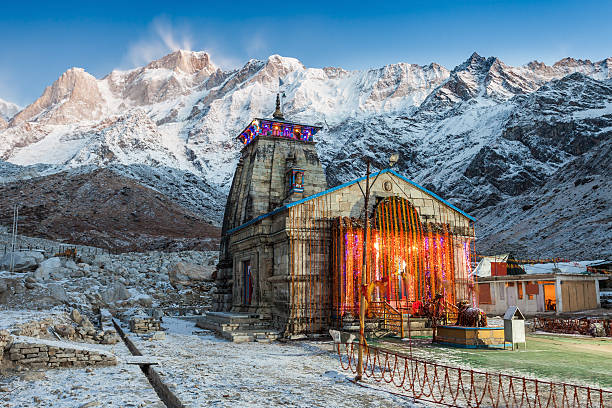
Welcome to Kedarnath, a jewel nestled high in the majestic Garhwal Himalayas of Uttarakhand, India. This serene destination is not just a place; it's an experience that touches your soul. HECT India brings you a comprehensive guide to help you plan your unforgettable journey to Kedarnath.
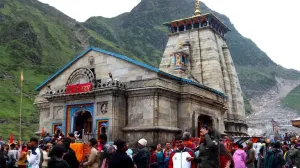
Kedarnath is primarily known for its ancient and revered Kedarnath Temple, dedicated to Lord Shiva. It is one of the twelve Jyotirlingas, considered the holiest abodes of Shiva. The town itself is situated at a breathtaking altitude of approximately 3,583 meters (11,755 feet) near the Chorabari Glacier, which is the source of the Mandakini River.
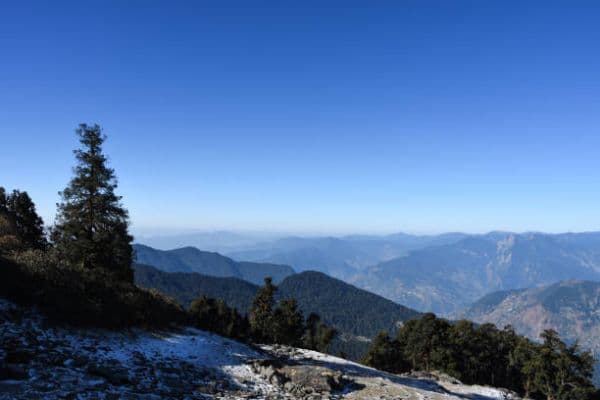
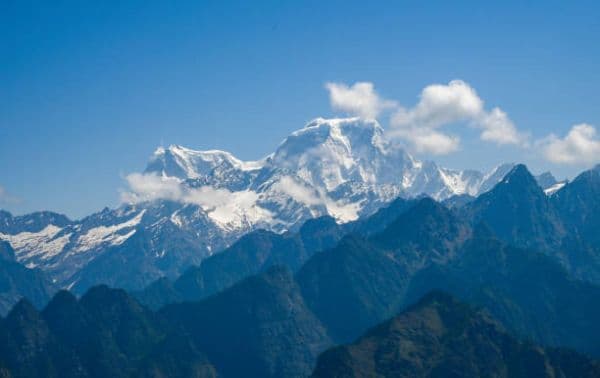
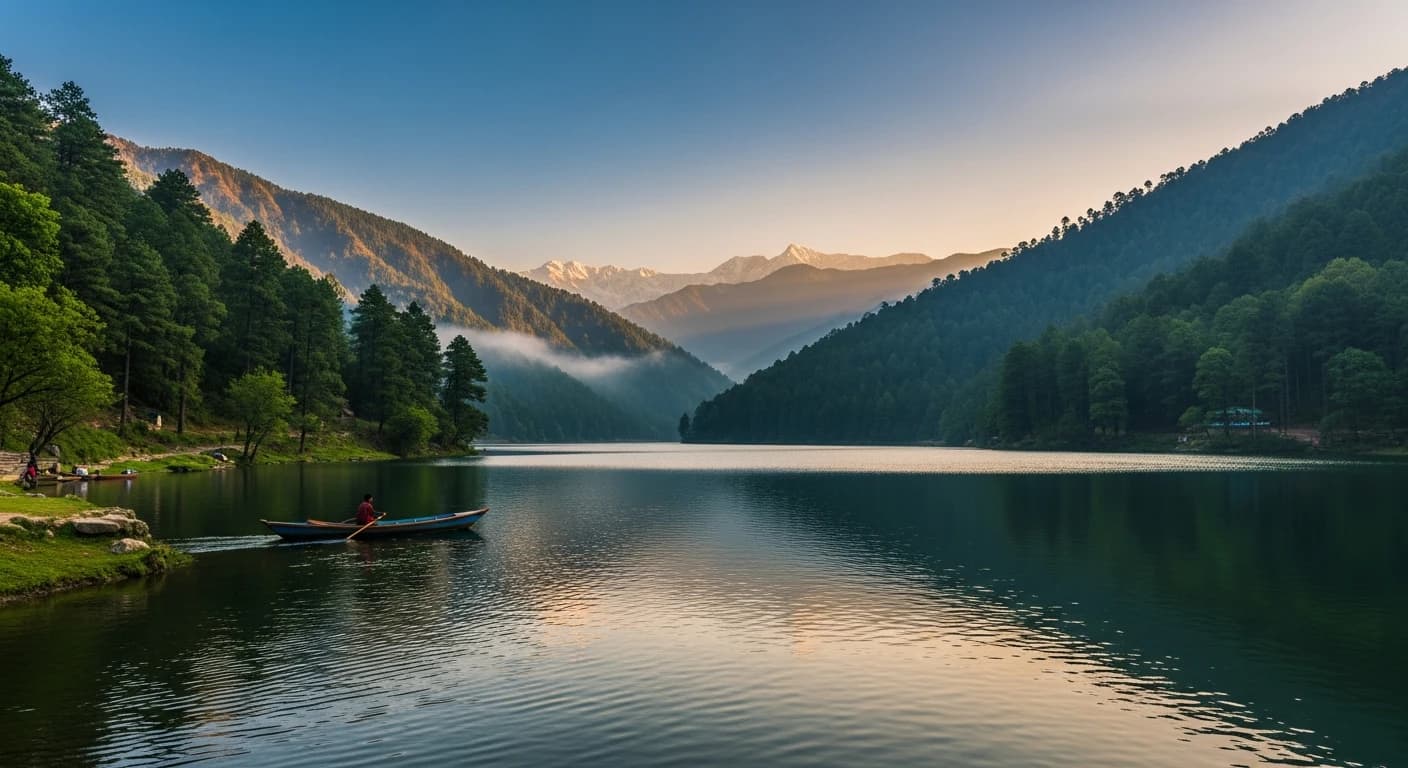
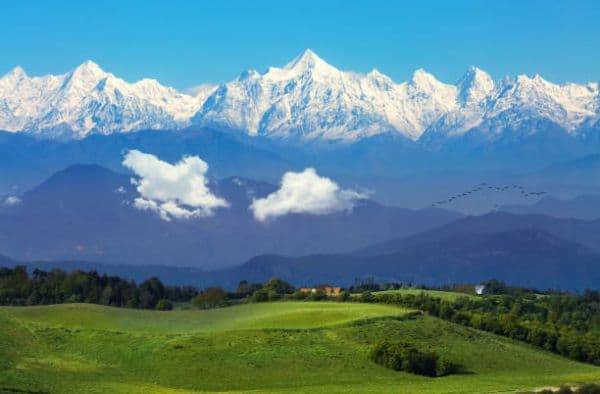
The landscape surrounding Kedarnath is simply awe-inspiring. Snow-capped peaks, lush green valleys, and the gushing Mandakini create a picturesque setting. The air is crisp and clean, and the spiritual energy of the place is palpable. While the primary draw is the temple, the natural beauty and the challenging trek to reach Kedarnath add to its unique charm.
Historically, Kedarnath has been a significant pilgrimage site for centuries. Legends and ancient texts speak of its sanctity and the presence of sages and devotees who have sought spiritual solace here. The current temple structure is believed to have been built by Adi Shankaracharya in the 8th century AD, although the origins of the worship at this site are much older.
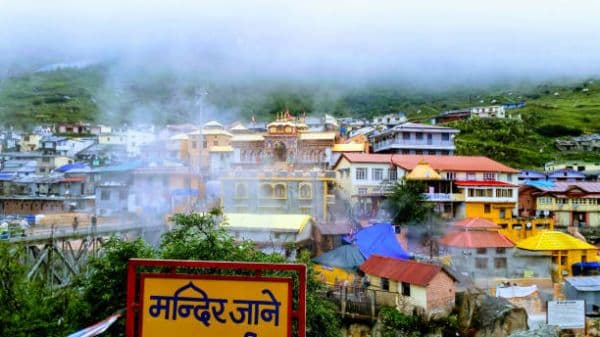
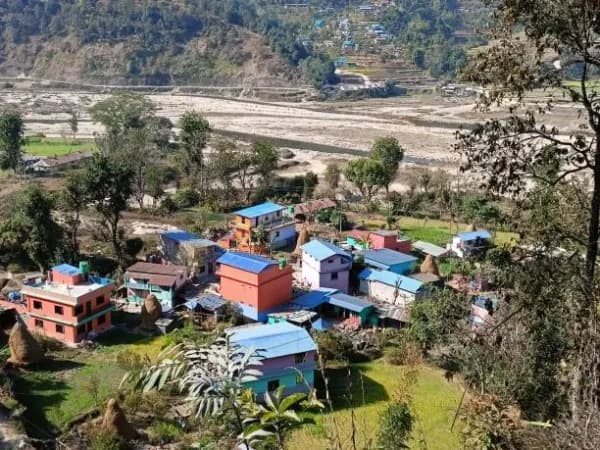
Given its high altitude and remote location, accommodation options in Kedarnath are somewhat limited but cater to the needs of pilgrims and tourists. You'll find a range of guesthouses, lodges, and basic hotels.
During the peak Yatra season (typically May to June and September to October), it's advisable to book your accommodation well in advance. The Uttarakhand Tourism Development Board (UTDB) also provides accommodation facilities.
Options generally include:
Remember that facilities at this altitude might be basic, focusing on providing essential comfort rather than luxury. However, the warmth of the local hospitality makes up for it.
Transportation within Kedarnath town is primarily on foot. The main temple and most accommodations are within a walkable distance from the helipad and the point where the trek from Gaurikund ends (for those who choose to trek the entire distance).
For reaching Kedarnath itself, you have several options:
Once in Kedarnath, the small town is easily navigable on foot.
While Kedarnath itself is the main attraction, there are some nearby places of interest that you can consider visiting if time and weather permit:
These excursions usually require additional trekking and are best undertaken if you have a day or two extra in the area and are physically fit. Always check the weather conditions before planning any treks.
The best time to visit Kedarnath is generally during the months of:
The temple remains closed during the winter months (typically from November to April) due to heavy snowfall and harsh weather conditions. The idol of Lord Kedarnath is moved to Ukhimath during this period, where devotees can continue their worship.
It's crucial to check the opening and closing dates of the Kedarnath Temple each year, as they are determined based on auspicious days and the weather conditions.
The weather in Kedarnath can be unpredictable and varies significantly depending on the season and altitude.
It's essential to carry appropriate clothing in layers to adapt to the changing weather conditions. Always check the weather forecast before planning your trip to Kedarnath.
The culture of Kedarnath is deeply intertwined with its religious significance. The local traditions and customs revolve around the worship of Lord Shiva and the pilgrimage.
The Brahmins of the Rawal community traditionally serve as the chief priests of the Kedarnath Temple. They are highly respected and play a crucial role in the daily rituals and ceremonies.
The local people are known for their warm hospitality and strong faith. You will often hear devotional songs and chants in the air, adding to the spiritual ambiance. The simple lifestyle of the people is adapted to the harsh mountain environment.
Festivals related to Lord Shiva, such as Maha Shivaratri, are celebrated with great fervor in the region, especially in the winter abode of Lord Kedarnath in Ukhimath.
Given the high altitude and remote location, food options in Kedarnath are relatively basic but nourishing. You will primarily find North Indian vegetarian cuisine.
Common food options include:
You will find small eateries and Bhojanalayas (community kitchens) offering these meals. It's advisable to eat freshly prepared food and stay hydrated. Non-vegetarian food is generally not available in Kedarnath due to its religious significance.
While the Kedarnath Temple is the primary draw, the natural beauty and serene environment offer attractions in themselves:
Nearby places worth adding to your itinerary.
Top stays in Kedarnath picked for comfort, value, and great guest reviews.
Local guide picks to help you explore Kedarnath better.
Read destination stories, tips, and travel updates for smarter planning.