
Fafa Island
Explore stays
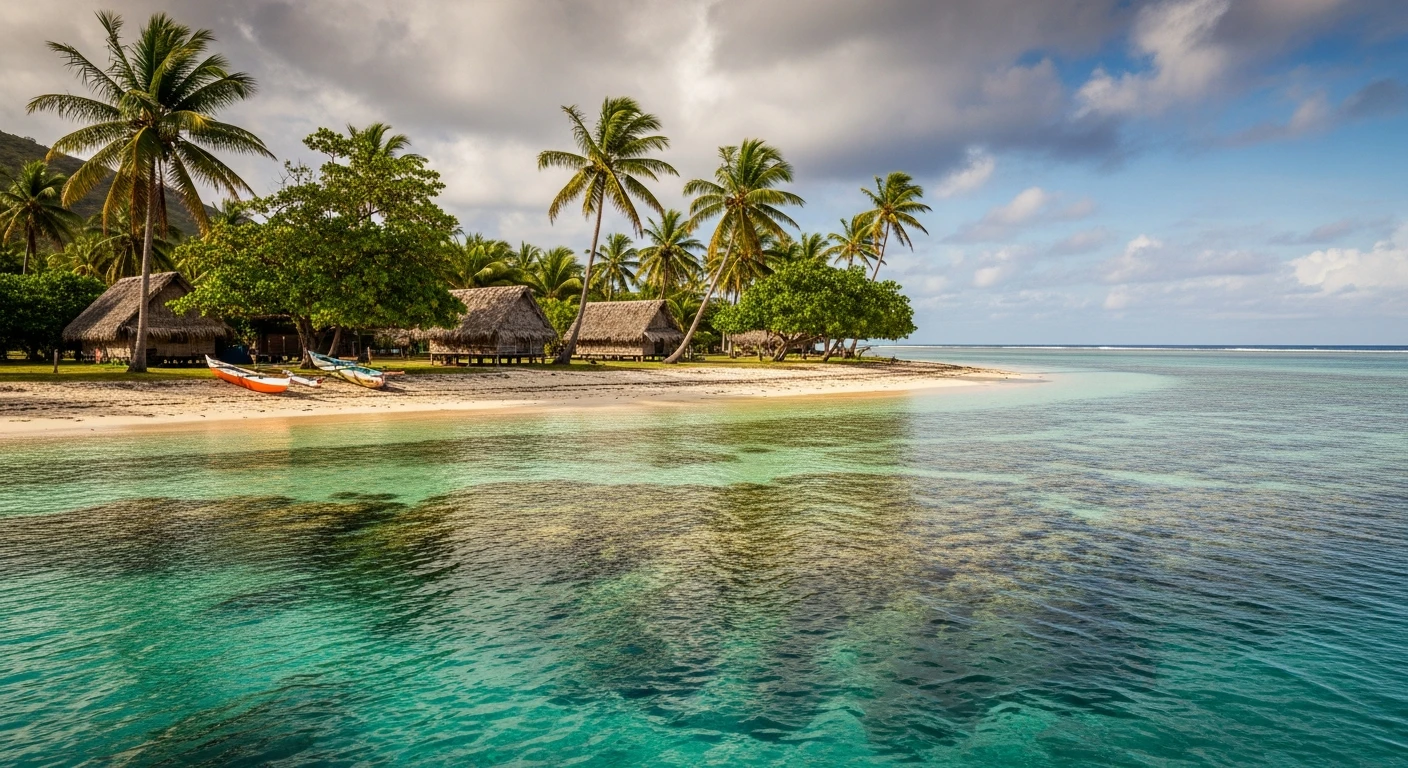
Kolomotu’a, situated on the main island of Tongatapu, is a vibrant district in the Kingdom of Tonga. Known as the oldest part of Nuku'alofa, the capital city, Kolomotu’a is steeped in rich history and cultural significance. As you wander through its streets, you'll find a harmonious blend of ancient traditions and modern developments, which is a testament to Tonga's resilience and adaptability.
The geography of Kolomotu’a is characterized by its coastal charm, with the azure waters of the Pacific Ocean lapping against its shores. This district is not just a hub for governmental and administrative activities but also a center for cultural and historical exploration. The vibe here is both laid-back and bustling, with locals greeting visitors with warmth and hospitality that Tonga is renowned for.
Historically, Kolomotu’a holds a special place in Tonga’s narrative. It was here that the royal family established their residence, and the area has since been a focal point for political and cultural events. Walking through Kolomotu’a is akin to stepping back in time, where stories of ancient kings and warriors echo through the air, yet it is also a place that embraces the future, with modern cafes and shops lining its streets.
Kolomotu’a offers a range of accommodation options that cater to all types of travelers. For those seeking luxury, the Seaview Lodge & Restaurant provides an exquisite experience with its oceanfront views and upscale amenities. Its colonial architecture and personalized service make it a top choice for discerning guests.
For budget travelers, the Friendly Islander Hotel offers comfortable and affordable lodging. Located close to the heart of Kolomotu’a, it provides easy access to local attractions while ensuring a cozy stay. Backpackers might also consider the Taina’s Place, known for its friendly atmosphere and communal vibe.
Each area within Kolomotu’a offers unique experiences, from the beachfront serenity to the bustling city center, ensuring a memorable stay in Tonga.
Getting around Kolomotu’a is relatively straightforward. The most popular mode of transportation is the local bus service, which is both affordable and efficient. Buses are a great way to experience the local culture and interact with Tongans as you travel through the district.
Taxis are readily available and are a convenient option for those who prefer a more private mode of transport. For a more adventurous approach, renting a bicycle or a scooter provides the freedom to explore Kolomotu’a at your own pace. Navigating like a local means embracing the friendly waves and smiles from the residents as you make your way through the charming streets of Tonga.
Beyond the boundaries of Kolomotu’a, there are numerous hidden gems waiting to be discovered. A short drive takes you to the stunning Mapu'a 'a Vaea Blowholes, where the ocean's power is on full display as waves crash into the rock formations, creating spectacular water spouts.
For a cultural excursion, visit the Ha'amonga 'a Maui Trilithon, a mysterious stone archway that dates back to the 13th century. This ancient site is shrouded in legend and offers insight into Tonga's rich history.
The nearby Anahulu Cave is another must-visit, with its impressive limestone formations and freshwater pools. Exploring these natural wonders provides a deeper appreciation for the beauty and diversity of Tonga's landscape.
The best time to visit Kolomotu’a is during the dry season, which runs from May to October. During these months, the weather is pleasantly warm with minimal rainfall, making it ideal for exploring both the district and the broader island of Tonga.
The wet season, from November to April, sees higher temperatures and increased humidity. While this period is less crowded, visitors should be prepared for occasional tropical storms. Regardless of the season, Kolomotu’a offers unique experiences and a warm Tongan welcome year-round.
Kolomotu’a experiences a tropical climate with distinct wet and dry seasons. January is typically the wettest month, with heavy rains and high humidity. February and March continue to see rainfall, though it gradually decreases.
From April to June, the weather becomes drier, with cooler temperatures making it a comfortable time to visit. July to September are the coolest months, with refreshing breezes and clear skies.
October marks the transition back to warmer weather, leading into the hot and humid conditions of November and December. Each month offers its own unique atmosphere, allowing visitors to experience Tonga's dynamic climate.
Kolomotu’a is a cultural hub, offering a deep dive into the traditions and customs of Tonga. The people of Kolomotu’a are known for their hospitality and pride in their heritage. Visitors are often greeted with the warm phrase "Mālō e lelei," meaning hello in Tongan.
Festivals play a significant role in the cultural landscape, with events like the Heilala Festival showcasing traditional dances, music, and crafts. This festival, held in July, celebrates the birthday of the Crown Prince and is a vibrant display of Tongan culture.
Etiquette is important in Tonga, and visitors should be mindful of local customs, such as dressing modestly and removing shoes before entering homes. Engaging with the local culture is a rewarding experience that provides a deeper understanding of Tonga's rich traditions.
Tongan cuisine is a delightful blend of flavors and influences, and Kolomotu’a offers numerous opportunities to savor these culinary delights. A must-try dish is "lu pulu," which consists of corned beef and coconut cream wrapped in taro leaves and baked to perfection.
Seafood lovers will relish the "ota ika," a raw fish salad marinated in citrus juices and coconut milk. This dish is a staple in Tongan cuisine and offers a refreshing taste of the Pacific.
The culinary history of Tonga is deeply intertwined with its culture, and sharing a meal is a cherished tradition. Visitors are encouraged to explore local markets and eateries to fully experience the flavors of Tonga.
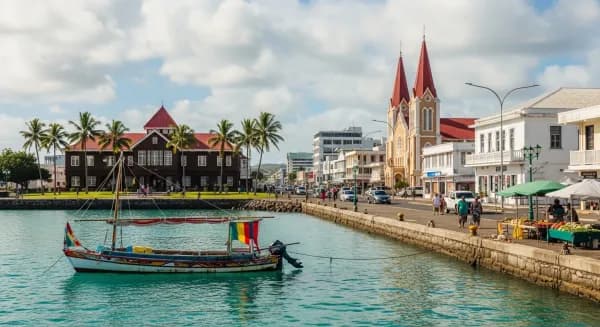
Kolomotu’a is home to several notable landmarks that provide insight into Tonga's history and culture. One of the top attractions is the Royal Palace, a beautiful wooden structure that serves as the official residence of the King of Tonga. Though not open to the public, its grandeur can be admired from the outside.
The Talamahu Market is a bustling hub of activity and offers a glimpse into daily life in Tonga. Here, visitors can purchase fresh produce, local crafts, and traditional Tongan foods.
The Free Church of Tonga is another significant site, known for its impressive architecture and historical importance. It stands as a testament to the strong influence of Christianity in Tongan society.
For a touch of history, the Royal Tombs are a must-visit. These sacred grounds are the final resting place of Tongan royalty and offer a solemn yet fascinating insight into the nation's past.
Lastly, the Centenary Church, with its distinctive design and cultural significance, is a landmark that shouldn't be missed. It is a symbol of the deep-rooted Christian faith in Tonga and plays an integral role in the community.
Nearby places worth adding to your itinerary.
Top stays in Kolomotu’a, Tonga picked for comfort, value, and great guest reviews.