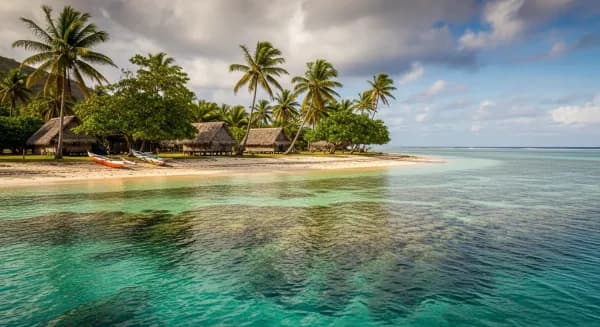

Faleloa
Explore stays
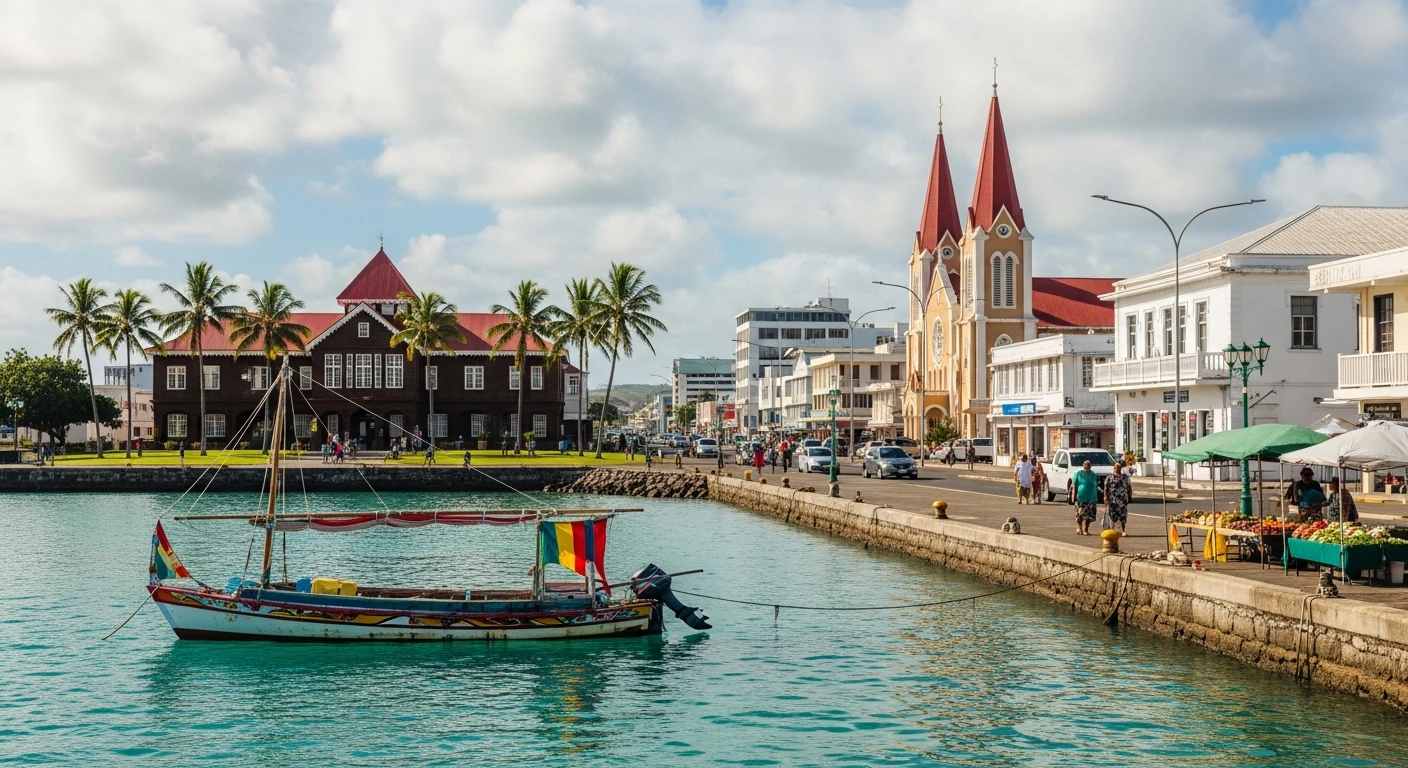
Nukuʻalofa, the vibrant capital of Tonga, is a city rich in history and culture, nestled on the north coast of the island of Tongatapu. This bustling hub is the political and economic heart of Tonga, offering a unique blend of traditional Polynesian culture and modern influences. The city’s name, meaning 'abode of love,' reflects its warm and welcoming atmosphere.
The history of Nukuʻalofa is deeply intertwined with the broader history of Tonga, which was united under the leadership of King George Tupou I in the mid-19th century. The city has since evolved from a small settlement into the thriving capital it is today. Visitors will find remnants of its storied past, from ancient stone monuments to colonial-era buildings.
Geographically, Nukuʻalofa is surrounded by stunning natural beauty, with the azure Pacific Ocean to the north and lush greenery inland. The city’s vibe is a harmonious mix of laid-back island life and the bustling energy of a capital city. Whether you’re strolling through the lively markets or enjoying a quiet moment by the waterfront, Nukuʻalofa offers an experience that is both invigorating and serene.
Accommodation in Nukuʻalofa caters to a wide range of preferences and budgets. For those seeking luxury, the city offers exquisite beachfront resorts like the Tanoa International Dateline Hotel, which provides stunning ocean views and top-notch amenities. These establishments often feature traditional Tongan architecture and decor, providing guests with an authentic yet opulent experience.
Budget travelers will find a variety of affordable options, including charming guesthouses and hostels. Areas like the city center and the coastal outskirts offer convenient access to local attractions and dining, ensuring that even budget accommodations provide an enriching stay. Popular budget-friendly choices include the Friendly Islander Hotel, known for its warm hospitality and comfortable lodgings.
Getting around Nukuʻalofa like a local is both easy and economical. The city’s compact size makes it ideal for exploration on foot or by bicycle. For longer distances, taxis are readily available and are an affordable option for visitors. It’s advisable to agree on a fare before starting your journey, as taxis in Tonga do not use meters.
For a more immersive experience, consider using the local bus service. These colorful buses are not only a cost-effective way to travel but also offer a glimpse into everyday life in Tonga. Routes cover most of Nukuʻalofa and extend to nearby villages, making them a convenient choice for reaching various attractions.
Beyond the city limits, Nukuʻalofa offers numerous hidden gems waiting to be explored. One such excursion is a visit to the Haʻamonga ʻa Maui Trilithon, an ancient stone monument located just a short drive from the city. This archaeological wonder is steeped in legend and offers insight into Tonga’s rich history.
Another must-visit is the picturesque island of Pangaimotu, a short boat ride from Nukuʻalofa. Known for its crystal-clear waters and vibrant marine life, it’s a perfect spot for snorkeling and relaxation. Visitors can also enjoy a leisurely meal at the island’s beachside restaurant, savoring fresh seafood while taking in panoramic ocean views.
The best time to visit Nukuʻalofa, and Tonga in general, is during the dry season, which runs from May to October. During these months, the weather is pleasantly warm with minimal rainfall, making it ideal for outdoor activities and beach excursions.
The wet season, from November to April, brings higher humidity and frequent rain showers. However, this period is also marked by lush landscapes and fewer tourists, offering a quieter, more intimate experience of the island. Travelers visiting during this time should be prepared for occasional tropical storms.
Nukuʻalofa enjoys a tropical climate, characterized by warm temperatures year-round. January and February are the hottest months, with temperatures averaging around 30°C (86°F). These months also see the most rainfall, so pack accordingly if visiting during this period.
From March to June, temperatures gradually decrease, averaging between 25°C (77°F) and 28°C (82°F). July and August are the coolest months, with temperatures ranging from 22°C (72°F) to 25°C (77°F), providing a comfortable climate for sightseeing and outdoor activities.
Tonga’s culture is a vibrant tapestry of traditions, festivals, and warm hospitality. Nukuʻalofa, as the cultural heart of Tonga, hosts numerous events that showcase the rich heritage of the island. The Heilala Festival, celebrated in July, is one of the most significant cultural events, featuring traditional dances, music, and the crowning of the Heilala Queen.
The people of Tonga are known for their friendliness and respect for tradition. Visitors are encouraged to embrace local customs, such as removing shoes before entering a home and dressing modestly. Understanding and respecting these cultural nuances enhances the travel experience and fosters deeper connections with the locals.
The culinary scene in Nukuʻalofa offers a delightful journey through traditional Tongan flavors. Must-eat dishes include 'Ota ika, a refreshing raw fish salad marinated in coconut milk, and Lu pulu, a savory dish made with corned beef, coconut cream, and taro leaves.
Food in Tonga is heavily influenced by the island’s abundant natural resources, with fresh seafood and tropical fruits playing a central role in many dishes. Visitors can enjoy these local delicacies at bustling markets or cozy eateries throughout the city, each offering a taste of Tonga’s rich culinary history.
Nukuʻalofa is home to a wealth of attractions that offer insight into Tonga’s history and culture. The Royal Palace, a striking wooden structure overlooking the ocean, is a must-see. Although not open to the public, it’s a symbol of Tonga’s monarchy and a beautiful sight from the outside.
The Talamahu Market, located in the heart of the city, is a bustling hub of activity where visitors can immerse themselves in local life. The market offers everything from fresh produce to handcrafted souvenirs, providing a true taste of Tongan culture.
Another landmark is the Free Church of Tonga, an impressive example of colonial architecture and a testament to Tonga’s religious heritage. Visitors are welcome to attend services and experience the harmonious blend of traditional hymns and contemporary worship.
For history enthusiasts, the Tonga National Centre is an essential stop. This museum offers a comprehensive overview of Tonga’s history, culture, and natural environment, with exhibits ranging from ancient artifacts to contemporary art.
Finally, no visit to Nukuʻalofa would be complete without a stroll along the scenic waterfront. This area offers stunning views of the ocean and is a popular spot for both locals and tourists to unwind and enjoy the island’s natural beauty.
Nearby places worth adding to your itinerary.
Top stays in Nukuʻalofa picked for comfort, value, and great guest reviews.