Agusan Del Norte
Explore stays

Leyte is a beautiful province in the Visayas region of the Philippines, known for its stunning natural landscapes, rich culture, and historical significance. It’s an ideal destination for those looking to explore the heart of the Philippines, offering a blend of serene beaches, scenic mountains, historic sites, and warm hospitality. Whether you're a nature lover, adventure seeker, or history enthusiast, Leyte has something special to offer.
Leyte is one of the largest islands in the Visayas, located in the central part of the Philippines. It is part of the Eastern Visayas region and is bordered by the Leyte Gulf to the west and the Philippine Sea to the east. The province is rich in diverse landscapes, from lush forests and rolling hills to beautiful beaches and vibrant coral reefs. Leyte is also historically significant, as it was the site of the Battle of Leyte Gulf, one of the largest naval battles of World War II.
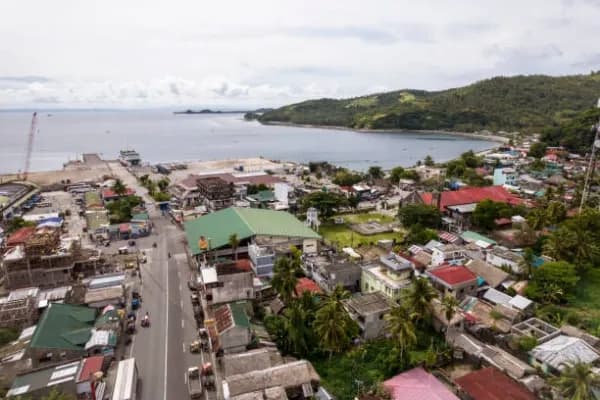
With a land area of over 5,000 square kilometers, Leyte is divided into several municipalities and cities. Tacloban City, the provincial capital, is the hub of commerce, culture, and tourism in the region. Leyte’s strategic location makes it easily accessible from other parts of the Philippines.
Leyte is well-connected to other parts of the Philippines by air, land, and sea.
By Air: The main gateway to Leyte is the Daniel Z. Romualdez Airport in Tacloban City, which has domestic flights connecting Leyte to Manila and Cebu. For international visitors, connecting flights to Manila or Cebu are available. From Tacloban, visitors can travel easily by land to other parts of the island.
By Land: Leyte is connected to neighboring provinces by bridges. The San Juanico Bridge, which links Leyte to Samar, is an iconic structure and one of the longest bridges in the Philippines. Visitors can take buses or private vehicles from nearby cities like Cebu or Manila to Leyte.
By Sea: Ferry services are also available from Cebu, Manila, and nearby islands. The Port of Tacloban serves as a main entry point for sea travelers, offering daily ferry rides to and from other regions in the country.
For international tourists, the easiest way to reach Leyte is by flying into Manila or Cebu and then taking a connecting flight to Tacloban City. Alternatively, visitors can fly into Cebu and take a ferry or bus ride to Leyte. International visitors will find this connectivity convenient and cost-effective when traveling to Leyte from abroad.
Leyte offers a range of exciting activities and natural wonders for visitors to explore. From historical landmarks to serene beaches, there’s something for everyone.
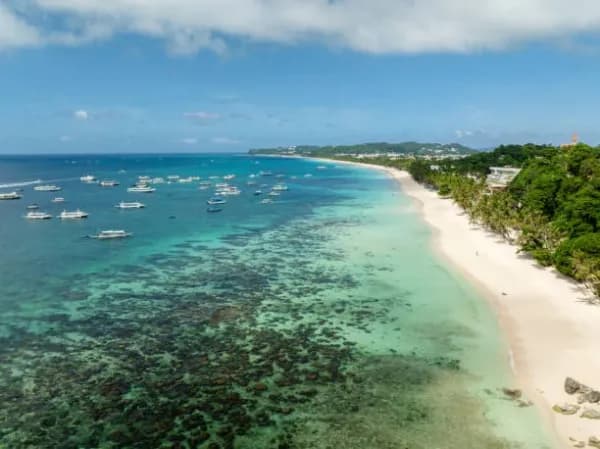
Kalanggaman Island, located off the coast of Palompon in Leyte, is one of the most beautiful and famous destinations in the province. This stunning island is known for its long, white sandbars that stretch into the clear, turquoise waters. It’s an ideal spot for swimming, snorkeling, and beach lounging. Visitors can also enjoy the peaceful surroundings and take in the natural beauty of the island.
The San Juanico Bridge is one of the most iconic landmarks in Leyte. It connects the islands of Leyte and Samar and is the longest bridge in the Philippines. The bridge is not just a vital transportation link but also a scenic spot for visitors to take in panoramic views of the San Juanico Strait. Walking or driving across the bridge is a unique experience, and the view is especially stunning at sunset.
For history enthusiasts, Palo Cathedral and the Leyte Landing Memorial are must-visit sites. The Leyte Landing Memorial commemorates the return of General Douglas MacArthur to the Philippines during World War II. It is located in Red Beach, Palo, Leyte, where the Allied forces landed in 1944. The memorial features a large statue of MacArthur and is a significant historical site.
For those interested in diving and underwater exploration, Sogod Bay offers some of the best dive spots in the region. The bay is home to vibrant coral reefs, abundant marine life, and clear waters, making it a perfect spot for scuba diving and snorkeling. Visitors can explore the underwater world and enjoy the diverse marine species that call Sogod Bay home.
Located in the municipality of Burauen, Tongonan Hot Springs is a relaxing destination for visitors seeking a rejuvenating experience. The hot springs are surrounded by lush forests, and the warm mineral waters are believed to have therapeutic properties. This is a great spot for a calming soak after a day of exploration.
Maasin City, located in the southern part of Leyte, is known for its natural beauty and historical landmarks. The Agas-Agas Bridge, the highest bridge in the Philippines, offers a panoramic view of the surrounding hills and forests. It’s a popular spot for travelers and photographers.
Leyte has several unique selling points that make it an attractive destination for tourists:
Historical Significance: Leyte’s role in the Battle of Leyte Gulf and its importance in World War II make it an intriguing destination for history buffs. The Leyte Landing Memorial and other historical sites offer a glimpse into the region's rich past.
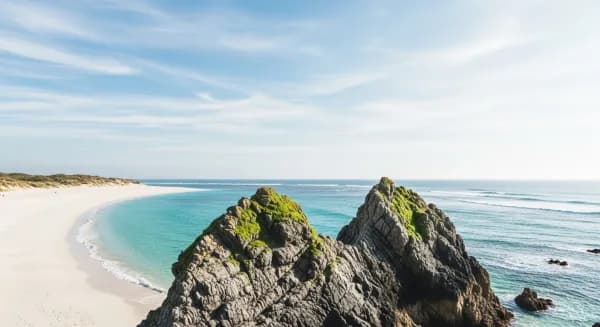
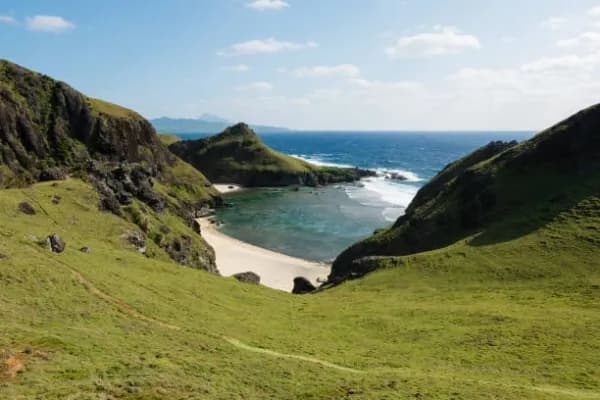
Breathtaking Beaches: Leyte is home to pristine beaches, with Kalanggaman Island being the most famous. These beaches offer opportunities for swimming, snorkeling, and relaxation.
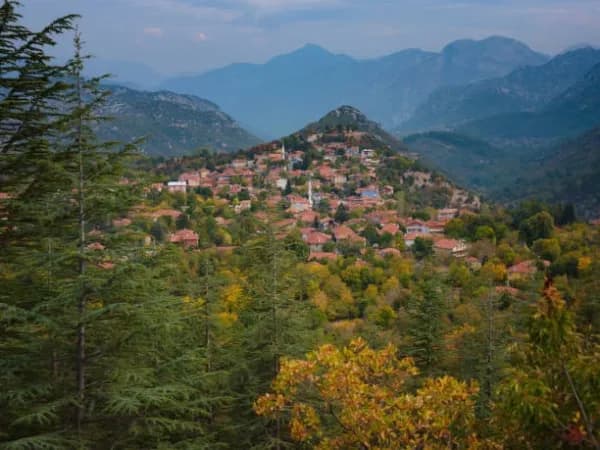
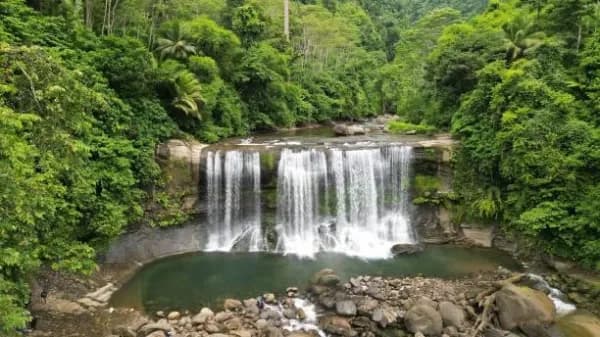
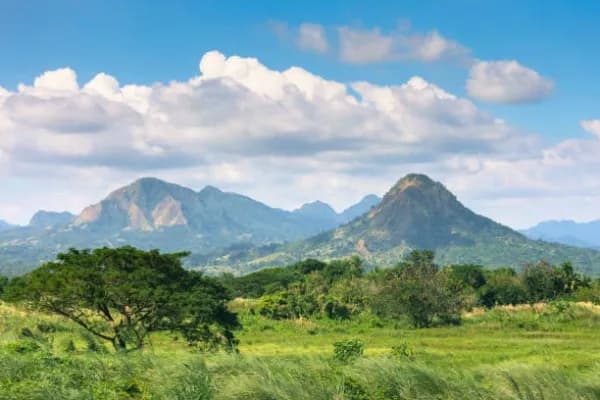
Scenic Natural Landscapes: From rolling hills and lush forests to peaceful rivers and crystal-clear waters, Leyte’s natural landscapes are stunning. The island is perfect for outdoor enthusiasts and nature lovers.
Diving and Marine Life: Sogod Bay is a popular destination for diving, with its rich marine biodiversity and colorful coral reefs. Visitors can explore the underwater world and experience the region's unique marine life.
Accessibility: Leyte’s excellent connectivity via air, land, and sea makes it easy for tourists to visit. Whether traveling from other parts of the Philippines or internationally, getting to Leyte is hassle-free.
The best time to visit Leyte is during the dry season, which runs from November to April. During these months, the weather is sunny and pleasant, making it perfect for outdoor activities such as sightseeing, beach trips, and island hopping. The wet season, which typically lasts from May to October, brings frequent rains and occasional storms, so it's advisable to avoid traveling during this period if you prefer dry weather for your adventures.
A typical visit to Leyte can last anywhere from 3 to 5 days, depending on your interests and the number of attractions you wish to explore. If you plan to visit multiple islands, including Kalanggaman Island, and want to enjoy some historical sites, 5 days is ideal for a more relaxed experience. For those focused on a few key attractions or activities like diving or sightseeing, a 3-day visit is sufficient.
Leyte is well-connected to several major cities in the Philippines. Here’s an overview of the distances from nearby cities:
Leyte offers a variety of local dishes and fresh seafood that showcase the flavors of the region. Some must-try food items include:
Getting around Leyte is relatively easy, with several public transport options available:
Nearby places worth adding to your itinerary.
Top stays in Leyte picked for comfort, value, and great guest reviews.
Local guide picks to help you explore Leyte better.