Introduction to Manila
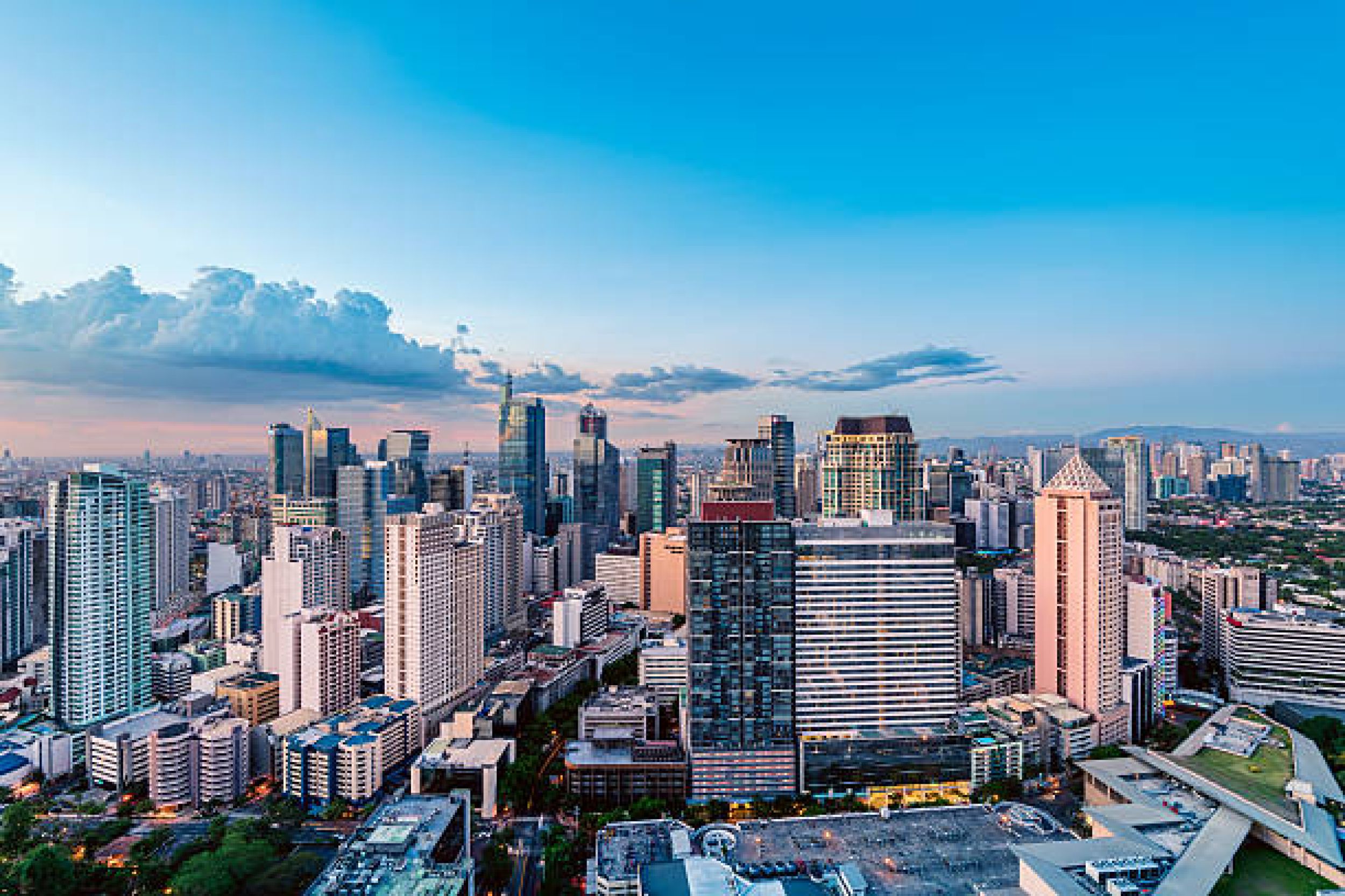
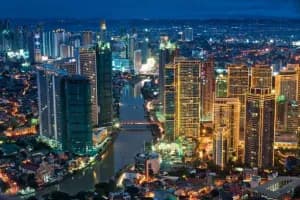
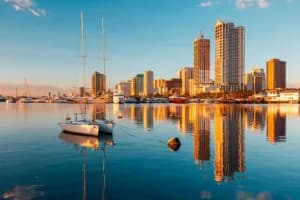
Manila is the bustling capital of the Philippines. It is located on the western coast of Luzon Island. The city sits along Manila Bay, known for its stunning sunsets. Manila is a vibrant city with a rich history and a mix of old and new. It is a hub for culture, business, and tourism.
Location Overview
Manila is part of the National Capital Region (NCR) of the Philippines. It is situated on the island of Luzon, which is the largest island in the Philippines. The city is near other key locations such as Makati, Quezon City, and Pasay. Manila is close to the South China Sea, which influences its tropical climate.
Connectivity
Local Connectivity:
- Public Transport: Manila has a well-developed public transportation system. This includes buses, jeepneys, and tricycles. Jeepneys are a unique and colorful mode of transport that is a staple in the city. Tricycles are small, motorized vehicles ideal for short trips.
- LRT and MRT: The Light Rail Transit (LRT) and Metro Rail Transit (MRT) systems are efficient ways to travel across the city. They connect key areas such as Makati, Quezon City, and Manila.
International Connectivity:
- Airport: Manila is served by Ninoy Aquino International Airport (NAIA). It is the main gateway for international flights into the Philippines. The airport is about 7 kilometers south of the city center. It connects Manila with major cities around the world.
- Seaport: The Port of Manila is a major hub for international shipping. It handles cargo and passenger ships, connecting Manila to various international destinations.
Things to Explore
1. Intramuros:
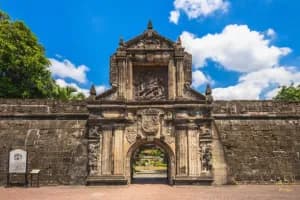
- Historical Significance: Intramuros is the historic walled city of Manila. It was built during the Spanish colonial period. Walking around Intramuros feels like stepping back in time.
- Attractions: Key attractions include Fort Santiago, Manila Cathedral, and San Agustin Church. Fort Santiago is a fortress with historical exhibits. Manila Cathedral is a grand church with beautiful architecture. San Agustin Church is a UNESCO World Heritage Site known for its baroque design.
2. Rizal Park:
- Overview: Also known as Luneta Park, Rizal Park is a large public park. It is named after José Rizal, a national hero of the Philippines.
- Attractions: The park features a monument dedicated to Rizal. There are also gardens, fountains, and open spaces for relaxation. It’s a popular spot for locals and tourists alike.
3. National Museum Complex:
- National Museum of the Philippines: This museum showcases Filipino art, history, and culture. It includes exhibits on natural history and anthropology.
- National Museum of Fine Arts: This museum displays works of art by Filipino artists, including paintings and sculptures.
4. Manila Ocean Park:
- Overview: Manila Ocean Park is an oceanarium and marine-themed park. It is a great place for families and kids.
- Attractions: The park features various marine species, a walk-through tunnel, and interactive exhibits. Visitors can see sharks, rays, and colorful fish up close.
5. Mall of Asia:
- Overview: SM Mall of Asia is one of the largest shopping malls in the world. It is located in Pasay, near Manila.
- Attractions: The mall offers a wide range of shops, dining options, and entertainment. There is also a large outdoor area with a view of Manila Bay.
Distance from Nearby Cities
- Quezon City: About 15 kilometers north of Manila. It is a major city with attractions like Quezon Memorial Circle and UP Diliman.
- Makati: Approximately 7 kilometers south of Manila. Known for its business district, shopping malls, and nightlife.
- Pasay: Around 5 kilometers south of Manila. Home to the Mall of Asia and the airport.
Food Options
Manila offers a diverse range of food options. Whether you’re looking for local dishes or international cuisine, you’ll find something to suit your taste.
1. Local Cuisine:
- Adobo: A popular Filipino dish made with chicken or pork marinated in soy sauce, vinegar, and spices.
- Sinigang: A sour soup made with tamarind, vegetables, and meat or seafood.
- Lechon: Roasted whole pig, often served during special occasions.
2. International Cuisine:
- Japanese: Sushi, ramen, and tempura are widely available in Manila. Many restaurants offer authentic Japanese dining experiences.
- Chinese: Manila has numerous Chinese restaurants serving dim sum, noodles, and other traditional dishes.
- American: There are also many fast-food chains and American-style diners in the city.
Public Transport Options
Manila's public transport system is diverse and caters to various needs.
- Jeepneys: Colorful and affordable, jeepneys are a unique way to get around. They have set routes and are often used for short distances.
- Buses: Buses cover longer routes and connect different parts of the city and surrounding areas.
- Tricycles: Small, motorized vehicles ideal for short trips, especially in areas where larger vehicles can’t easily go.
- LRT/MRT: The Light Rail Transit and Metro Rail Transit systems are efficient for traveling across longer distances in the city.
Nearby Attractions
1. Tagaytay: Located about 60 kilometers south of Manila. Known for its cool climate and scenic views of Taal Volcano. 2. Batangas: Approximately 100 kilometers south of Manila. Offers beaches, diving spots, and historical sites. 3. Subic Bay: Around 150 kilometers northwest of Manila. Known for its freeport zone, attractions, and recreational activities.
Unique Selling Points
- Rich History: Manila’s historical sites, such as Intramuros and Rizal Park, offer a glimpse into the city’s past.
- Vibrant Culture: The city’s cultural attractions, such as museums and galleries, highlight Filipino art and heritage.
- Dynamic City Life: Manila’s shopping malls, entertainment venues, and dining options reflect its modern and bustling atmosphere.
- Scenic Views: The sunsets over Manila Bay are famous and provide beautiful photo opportunities.
Conclusion
Manila is a city full of life, history, and culture. It offers a mix of historical landmarks, modern attractions, and diverse dining options. With its excellent connectivity, public transport, and nearby destinations, Manila is a great starting point for exploring the Philippines. Whether you’re interested in history, shopping, or simply enjoying the city’s vibrant atmosphere, Manila has something for everyone.