Overview of Russia
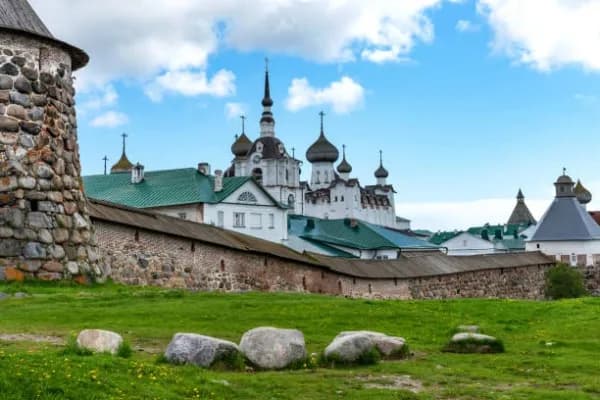
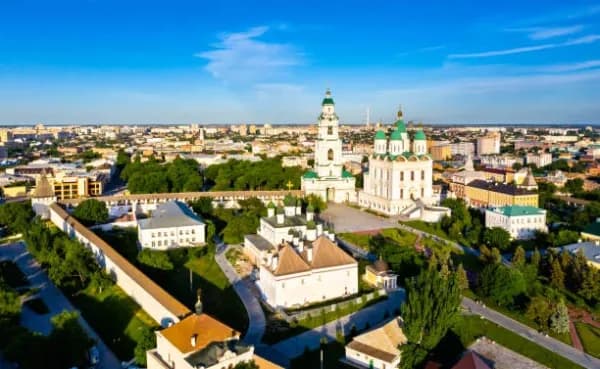
Russia is the largest country in the world, stretching across Europe and Asia. It is known for its vast landscapes, rich history, and vibrant culture. From historic cities to stunning natural scenery, Russia offers a wide range of experiences for tourists. Whether you're interested in exploring ancient architecture, enjoying cultural events, or experiencing the beauty of the countryside, Russia has something for everyone.
Location and Connectivity
Location
- Russia spans 17.1 million square kilometers, covering Eastern Europe and northern Asia. It is bordered by several countries, including Norway, Finland, China, and Mongolia. The country features diverse landscapes, including tundra, taiga, steppes, and mountains.
International Connectivity
- Major Airports
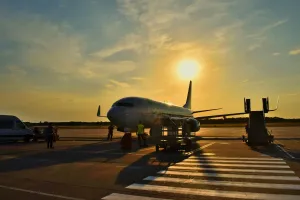
- Russia's major international airports are Sheremetyevo International Airport (Moscow), Domodedovo International Airport (Moscow), and Pulkovo Airport (St. Petersburg). These airports connect Russia with major cities across Europe, Asia, and North America.
- Air Travel
- Russia is well-connected with frequent flights from cities like New York, London, Beijing, and Dubai. Flights from New York to Moscow take about 10 hours, while flights from London take around 4 hours.
Local Connectivity
- Train Travel
- Russia has an extensive train network. The Trans-Siberian Railway is a famous route that connects Moscow with Vladivostok, crossing the entire country.
- Public Transport
- In major cities, public transport includes buses, trams, metro systems, and trolleybuses. Moscow and St. Petersburg have efficient and modern metro systems.
Things to Explore
1. Moscow
- Red Square and the Kremlin
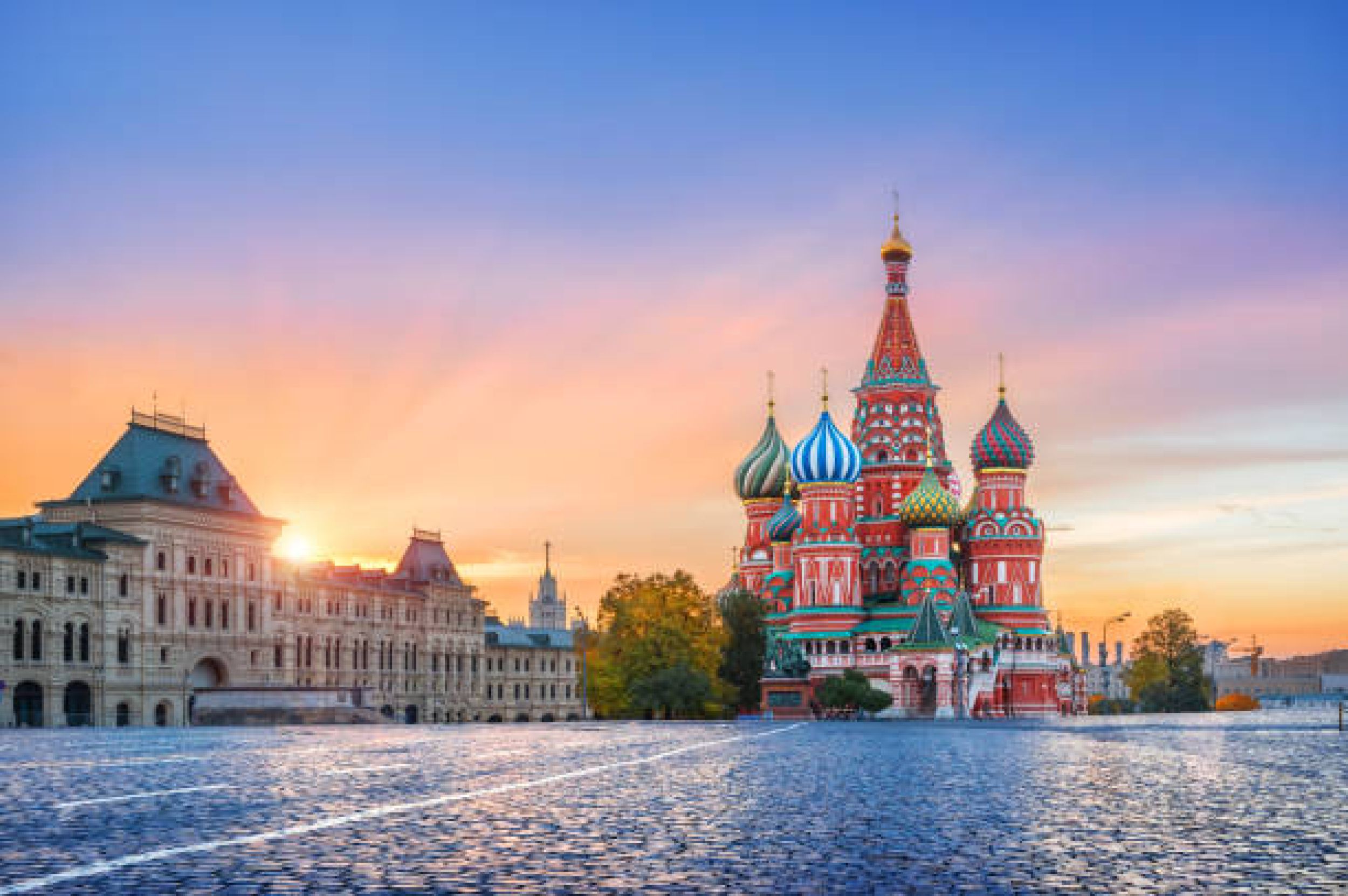
- Red Square is the heart of Moscow and home to the Kremlin, a historic fortress that houses government offices and museums. The square is also known for St. Basil's Cathedral, with its colorful onion domes.
- Bolshoi Theatre
- The Bolshoi Theatre is famous for its ballet and opera performances. It is an iconic cultural landmark in Moscow.
- Gorky Park
- Gorky Park is a large urban park offering walking paths, outdoor activities, and cultural events.
2. St. Petersburg
- Hermitage Museum
- The Hermitage Museum is one of the largest and oldest art museums in the world. It houses an extensive collection of art, including works by Rembrandt and Leonardo da Vinci.
- Peterhof Palace
- Known as the "Russian Versailles," Peterhof Palace is famous for its elaborate fountains and beautiful gardens.
- Nevsky Prospect
- Nevsky Prospect is the main avenue in St. Petersburg, lined with historic buildings, shops, and restaurants.
3. Lake Baikal
- Description
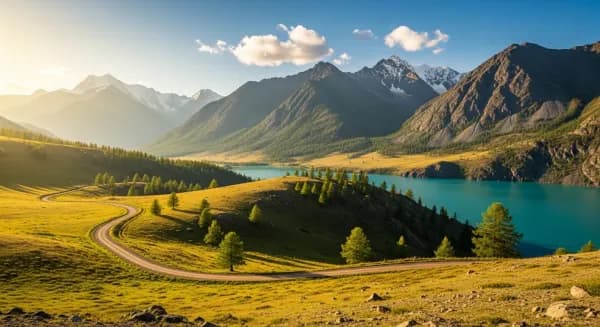
- Lake Baikal is the deepest and oldest freshwater lake in the world. It is located in Siberia and is surrounded by stunning natural beauty.
- Activities
- Visitors can enjoy boat tours, hiking, and wildlife spotting. The lake freezes in winter, offering opportunities for ice skating and snow activities.
4. Kamchatka Peninsula
- Description
- Kamchatka is known for its volcanic landscapes, geysers, and hot springs. It is a remote and rugged region in far eastern Russia.
- Activities
- Popular activities include volcano trekking, hot spring baths, and exploring the unique wildlife.
5. Sochi
- Description
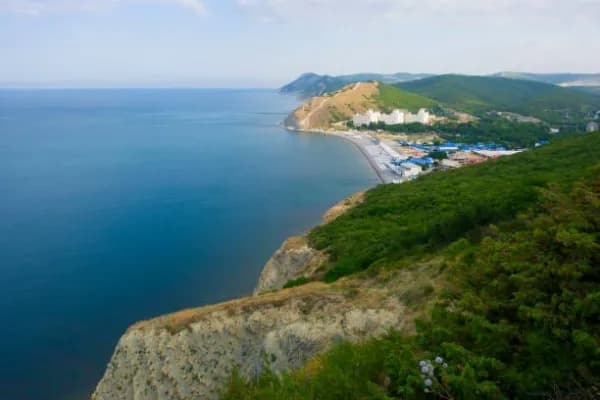
- Sochi is a popular resort city on the Black Sea coast. It is known for its beaches, warm climate, and outdoor activities.
- Activities
- Visitors can enjoy swimming, sunbathing, and exploring nearby mountains for hiking and skiing.
6. Golden Ring
- Description
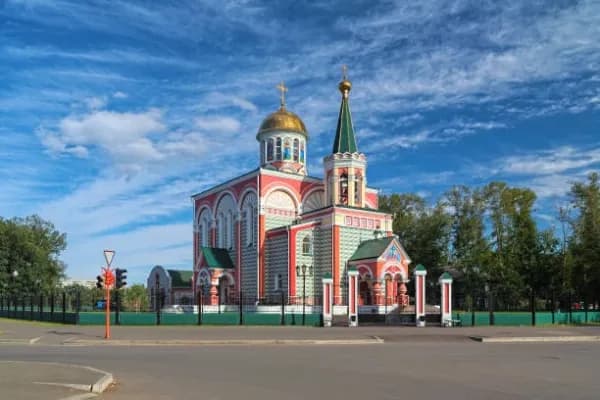
- The Golden Ring is a group of historic cities northeast of Moscow, known for their well-preserved architecture and ancient churches.
- Cities
- Key cities include Vladimir, Suzdal, and Yaroslavl. Each city offers a glimpse into Russia’s rich history and cultural heritage.
7. Trans-Siberian Railway
- Description
- The Trans-Siberian Railway is a historic train route that crosses Russia from Moscow to Vladivostok. It offers an epic journey through diverse landscapes.
- Activities
- Travelers can experience scenic views, visit different cities along the route, and learn about Russia’s vast geography.
8. Kazan
- Description
- Kazan is the capital of Tatarstan and is known for its rich cultural blend of Russian and Tatar influences.
- Attractions
- Key attractions include the Kazan Kremlin, a UNESCO World Heritage site, and the Qolşärif Mosque.
Distance from Nearby Cities
1. Moscow to St. Petersburg
- Distance: Approximately 700 kilometers (435 miles)
- Travel Time: About 4 hours by high-speed train or 1.5 hours by flight.
2. Moscow to Kazan
- Distance: Approximately 800 kilometers (497 miles)
- Travel Time: About 11 hours by train or 1.5 hours by flight.
3. Moscow to Vladivostok
- Distance: Approximately 7,600 kilometers (4,725 miles)
- Travel Time: About 7 days by Trans-Siberian Railway or 8 hours by flight.
4. St. Petersburg to Helsinki
- Distance: Approximately 400 kilometers (249 miles)
- Travel Time: About 3 to 4 hours by train or 1 hour by flight.
Food Options
Traditional Russian Cuisine
- Borscht: A hearty beet soup, often served with sour cream. It is a staple of Russian cuisine.
- Pelmeni: Dumplings filled with meat, usually served with butter or sour cream.
- Blini: Thin pancakes that can be served with a variety of toppings, including caviar, sour cream, and jam.
- Caviar: Russia is famous for its high-quality caviar, which is often enjoyed on blini or with bread.
Street Food
- Pirozhki: Small pastries filled with meat, potatoes, or cabbage. They are commonly found at street vendors and bakeries.
- Shashlik: Grilled meat skewers, similar to kebabs. They are popular at outdoor gatherings and barbecues.
International Cuisine
- Restaurants: Major cities like Moscow and St. Petersburg offer a wide range of international dining options, including Italian, Japanese, Chinese, and Middle Eastern cuisines.
Public Transport Options
City Transport
- Metro Systems: Moscow and St. Petersburg have extensive and efficient metro systems. They are a convenient way to travel within the cities.
- Buses and Trams: Public buses and trams are available in most cities, providing access to various neighborhoods and attractions.
Intercity Travel
- Trains: Russia’s railway network connects major cities and regions. The Trans-Siberian Railway offers scenic journeys across the country.
- Domestic Flights: For longer distances, domestic flights are available and provide a quick way to travel between cities.
To Nearby Attractions
- Car Rentals: Renting a car is an option for exploring rural areas and remote attractions.
- Guided Tours: Many tour operators offer guided tours to popular destinations and historical sites.
Unique Selling Points
1. Vast and Diverse Landscapes
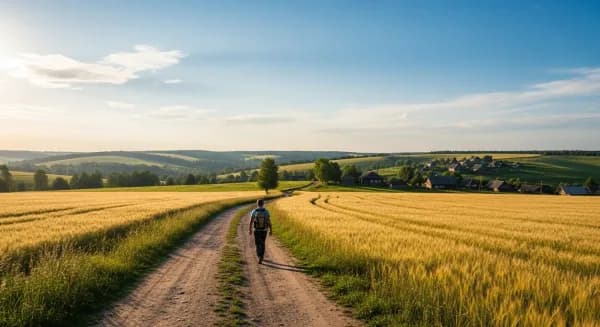
- Russia’s landscapes range from vast tundra and dense forests to stunning lakes and towering mountains. The diverse geography offers numerous opportunities for outdoor adventures.
2. Rich Cultural Heritage
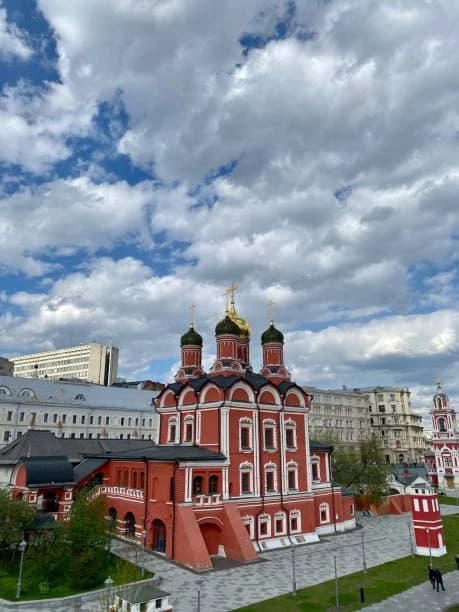
- The country’s rich history and cultural heritage are reflected in its architecture, museums, and traditional festivals. Visitors can explore historic sites and experience authentic Russian culture.
3. Iconic Landmarks
- Russia is home to iconic landmarks such as the Kremlin, Red Square, and the Hermitage Museum. These sites offer a glimpse into the country’s storied past and artistic achievements.
4. Unique Natural Wonders
- Natural wonders like Lake Baikal, the Kamchatka Peninsula, and the Trans-Siberian Railway provide unique and memorable experiences for travelers.
5. Vibrant Cities
- Major cities like Moscow and St. Petersburg offer a mix of modern amenities, vibrant cultural scenes, and historic landmarks. They are bustling centers of activity and culture.
In summary, Russia is a vast and diverse country with a wealth of experiences to offer. From exploring historic cities and enjoying cultural events to marveling at natural wonders and indulging in traditional cuisine, Russia provides a rich and varied travel experience.