Achaea
Explore stays
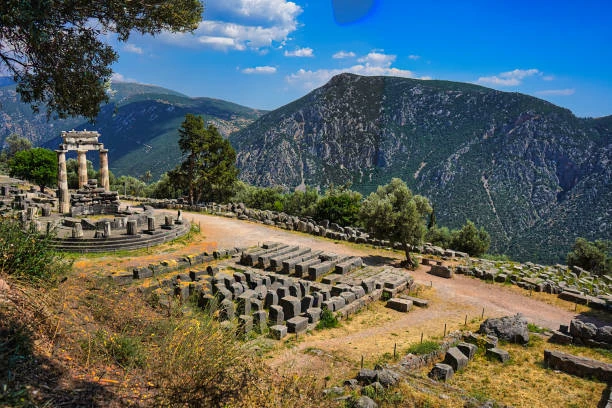
Sparta, located in the region of Laconia in the southeastern part of the Peloponnese Peninsula in Greece, is a destination rich in history and natural beauty. Famous for its ancient warrior culture, Sparta draws visitors who are eager to explore its legendary past and experience the vibrant, modern-day town that has grown up around it. This guide will give you a complete overview of Sparta, including stay options, local transportation, excursions, the best time to visit, weather, culture, food, and tourist attractions.
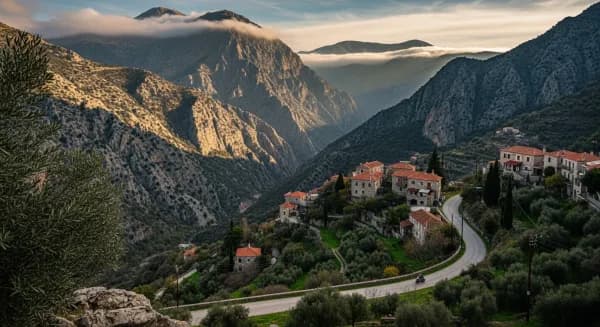
Sparta was once one of the most powerful city-states in ancient Greece. Known for its military prowess, discipline, and unique way of life, Sparta left an indelible mark on history. Today, Sparta is a small town in Laconia, but it continues to carry the weight of its glorious past. Located near the base of the Taygetus Mountains and surrounded by picturesque landscapes, Sparta offers a blend of archaeological treasures and natural beauty.
The modern town of Sparta is not as grand as its ancient counterpart, but it has grown to become a thriving center for tourism. Visitors can experience a mix of ancient history, stunning scenery, and authentic Greek culture. Whether you're visiting for the rich history or the beautiful surroundings, Sparta offers a unique experience.
When visiting Sparta, you’ll find various accommodation options to suit your needs. From luxury hotels to cozy guesthouses, there's something for every budget.
Hotels: There are several hotels in Sparta, ranging from budget-friendly options to higher-end accommodations. Many of these hotels are located in or near the town center, providing easy access to tourist attractions, restaurants, and shops.
Guesthouses: For a more intimate stay, consider booking a guesthouse or bed-and-breakfast. These options often offer a more personal experience and are perfect for those who prefer a quieter atmosphere.
Villas and Apartments: If you're looking for a longer stay or more privacy, you can rent a villa or an apartment in the area. Many properties come with beautiful views of the surrounding mountains or the nearby countryside.
Getting around Sparta is relatively easy. The town is small, so walking is often the most convenient option. However, there are other modes of transport that can help you explore the region further.
Walking: Sparta is a walkable town. Many attractions, restaurants, and shops are within walking distance, making it easy to explore the area at your own pace.
Buses: Public buses are available and can be used to travel around the town and to nearby villages or attractions. They are an affordable option for getting around.
Taxis: Taxis are readily available in Sparta, and they are an easy way to get from one place to another if you're looking for convenience.
Car Rental: Renting a car is a great way to explore the broader Laconia region. With a car, you can visit nearby villages, beaches, and other attractions that may not be easily accessible by public transport.
Sparta is an excellent base for exploring the wider region of Laconia and the Peloponnese Peninsula. There are several excursions that will take you through ancient sites, natural landscapes, and coastal beauty.
Ancient Sparta: The archaeological site of Ancient Sparta is a must-see for history lovers. You can explore the ruins of the ancient city, including the Temple of Athena Chalkioikos, the ancient theater, and the ancient agora. Don’t forget to visit the Archaeological Museum of Sparta to view artifacts from Sparta’s glorious past.
Mystras: Just a short drive from Sparta is Mystras, a UNESCO World Heritage site. This medieval town is built on the slopes of Mount Taygetus and is filled with impressive Byzantine churches, palaces, and fortifications. It offers a stunning view of the surrounding area and is one of the most beautiful and well-preserved medieval sites in Greece.
Taygetus Mountains: The Taygetus Mountains offer excellent opportunities for hiking, nature walks, and outdoor activities. The breathtaking scenery is perfect for a day trip or a nature excursion.
Mount Parnon and the Laconian Gulf: The nearby Laconian Gulf offers great opportunities for beach excursions. You can visit nearby seaside towns like Elafonisos, known for its golden beaches and clear waters. The Parnon Mountain range also offers hiking trails and scenic viewpoints.
The best time to visit Sparta depends on the type of experience you’re looking for.
Spring (March to May): Spring is one of the best times to visit Sparta. The weather is mild, and the landscape is lush and green from the recent rains. This is also when the flowers bloom, creating a picturesque backdrop for exploring.
Summer (June to August): Summer can be quite hot in Sparta, with temperatures often reaching over 30°C (86°F). However, this is also when the area is most active, and there are many festivals and cultural events. If you enjoy warm weather and lively atmospheres, summer is a great choice.
Autumn (September to November): Fall offers comfortable temperatures and fewer crowds. This is another ideal time for exploring Sparta and the surrounding region.
Winter (December to February): Winters in Sparta are mild but cool. Snowfall is rare, but the weather can be chilly, especially in the mountains. If you prefer a quieter, off-season experience, winter might be the best time for you.
Sparta experiences a Mediterranean climate with hot, dry summers and mild, wet winters.
Summer: Temperatures in summer can be quite hot, with daytime highs averaging between 28°C to 35°C (82°F to 95°F). It’s best to wear light clothing and stay hydrated during this time.
Winter: Winter temperatures are mild, typically ranging from 5°C to 15°C (41°F to 59°F). While it doesn't snow often, occasional rain showers are common during the winter months.
Spring and Autumn: Spring and autumn bring mild temperatures, making them the most comfortable times to visit. You can expect temperatures around 15°C to 25°C (59°F to 77°F).
Sparta has a rich cultural heritage that reflects its ancient roots. The people of Sparta are proud of their history and continue to celebrate their traditions. Visitors can experience local customs through festivals, music, and dance.
Spartan Hospitality: Known for their hospitality, the people of Sparta are welcoming and eager to share their history and culture with visitors.
Festivals and Events: Sparta hosts several cultural events throughout the year, such as the Spartan Race, which celebrates the town's ancient military tradition. There are also local music and dance festivals that showcase the vibrant culture of the region.
Greek cuisine is a highlight of any visit to Sparta. Local dishes are based on fresh ingredients like olives, vegetables, fish, and meats. Some of the must-try foods include:
Moussaka: A classic Greek dish made with layers of eggplant, minced meat, and béchamel sauce.
Souvlaki: Skewers of grilled meat (usually pork, chicken, or lamb) served with pita bread, salad, and sauces.
Bougatsa: A delicious pastry filled with cream or custard.
Laconian Olives: Known for their rich flavor, these olives are grown in the region and are a staple in local dishes.
Cheeses: Try local cheeses like feta and manouri, which pair perfectly with a glass of local wine.
Sparta is full of historical and natural attractions. Here are some highlights to include on your itinerary:
Archaeological Site of Ancient Sparta: Explore the ruins of the ancient city and see sites like the Temple of Athena, the ancient theater, and the Spartan Agora.
Mystras: Visit this UNESCO World Heritage site to explore Byzantine ruins and stunning medieval architecture.
Sparta Archaeological Museum: Learn more about the history of Sparta through a wide collection of ancient artifacts.
Taygetus Mountains: Hike in the stunning mountains and enjoy panoramic views of the surrounding area.
Nearby places worth adding to your itinerary.
Top stays in Sparta, Laconia picked for comfort, value, and great guest reviews.