Badung
Explore stays
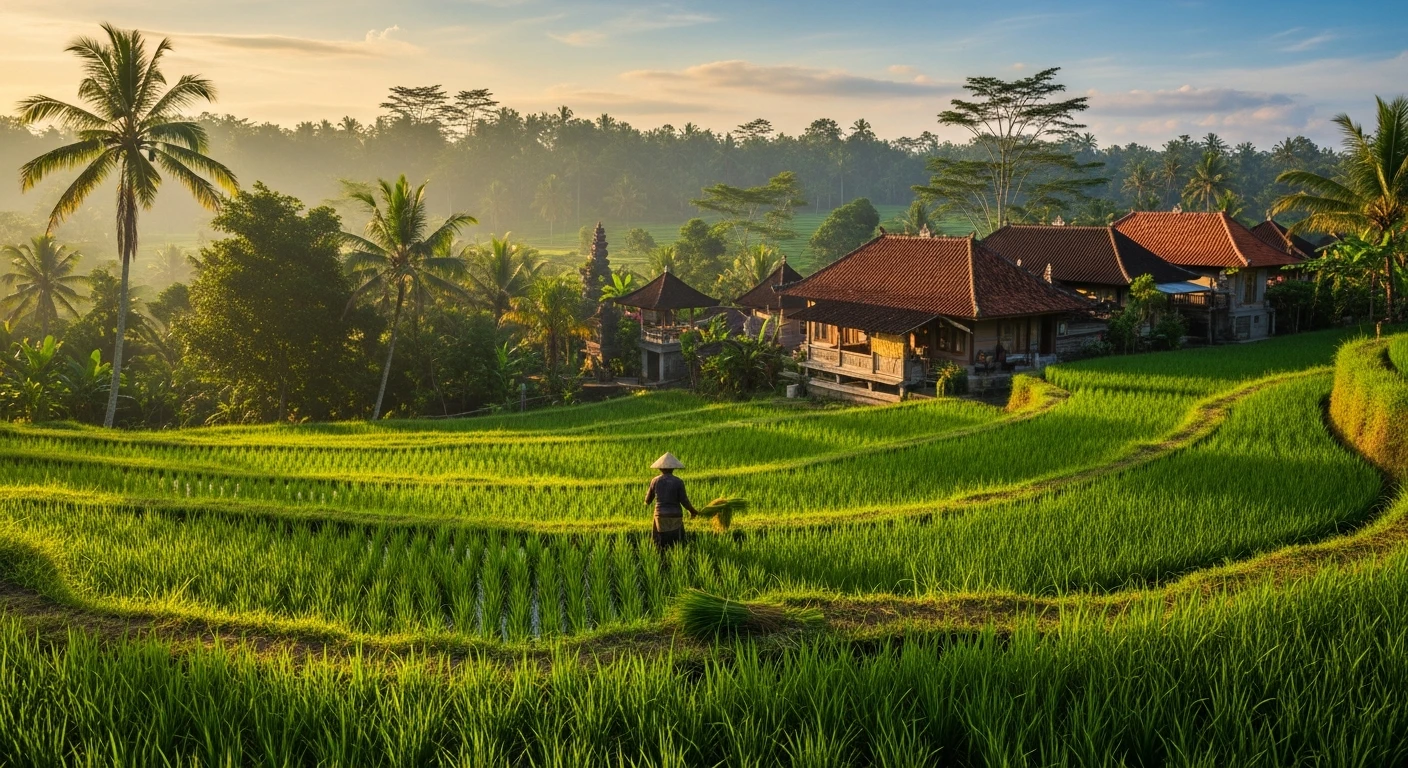
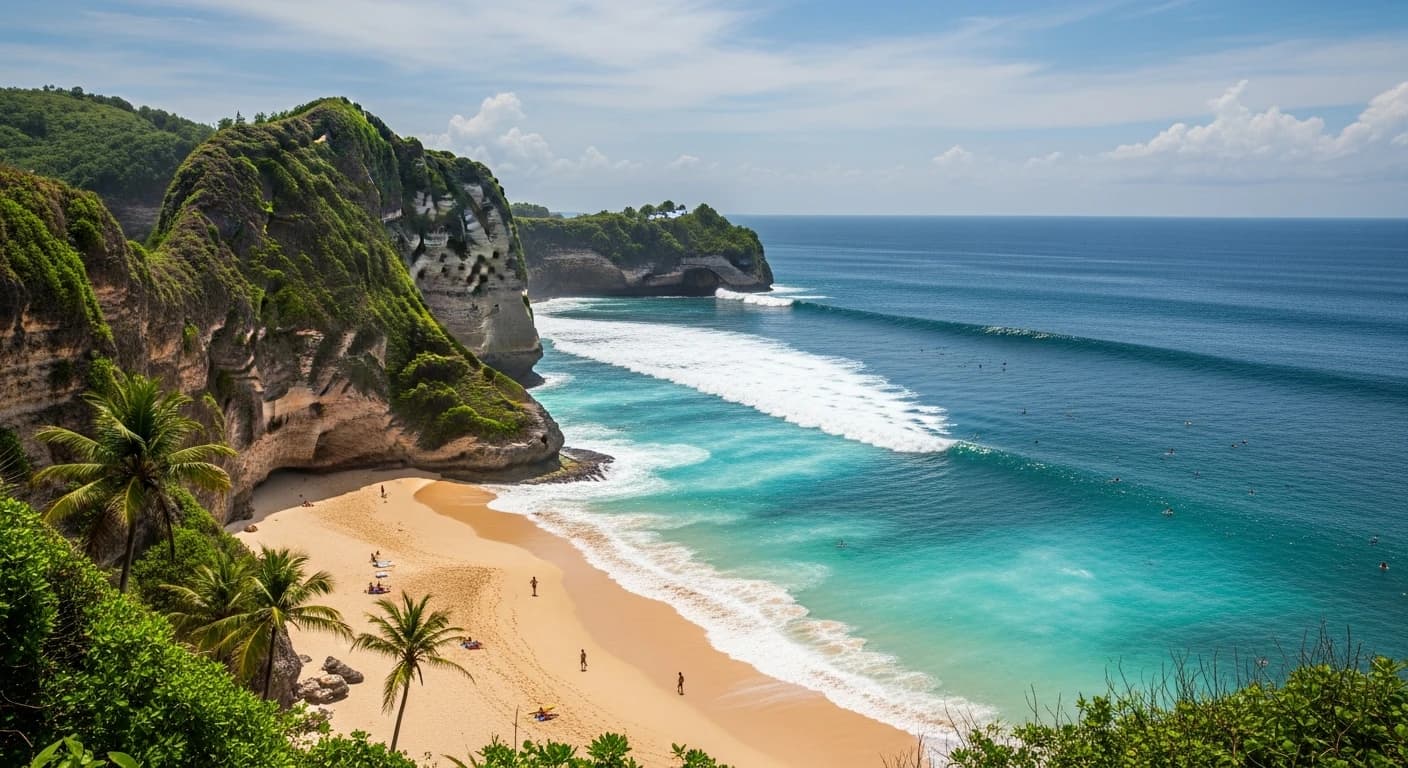
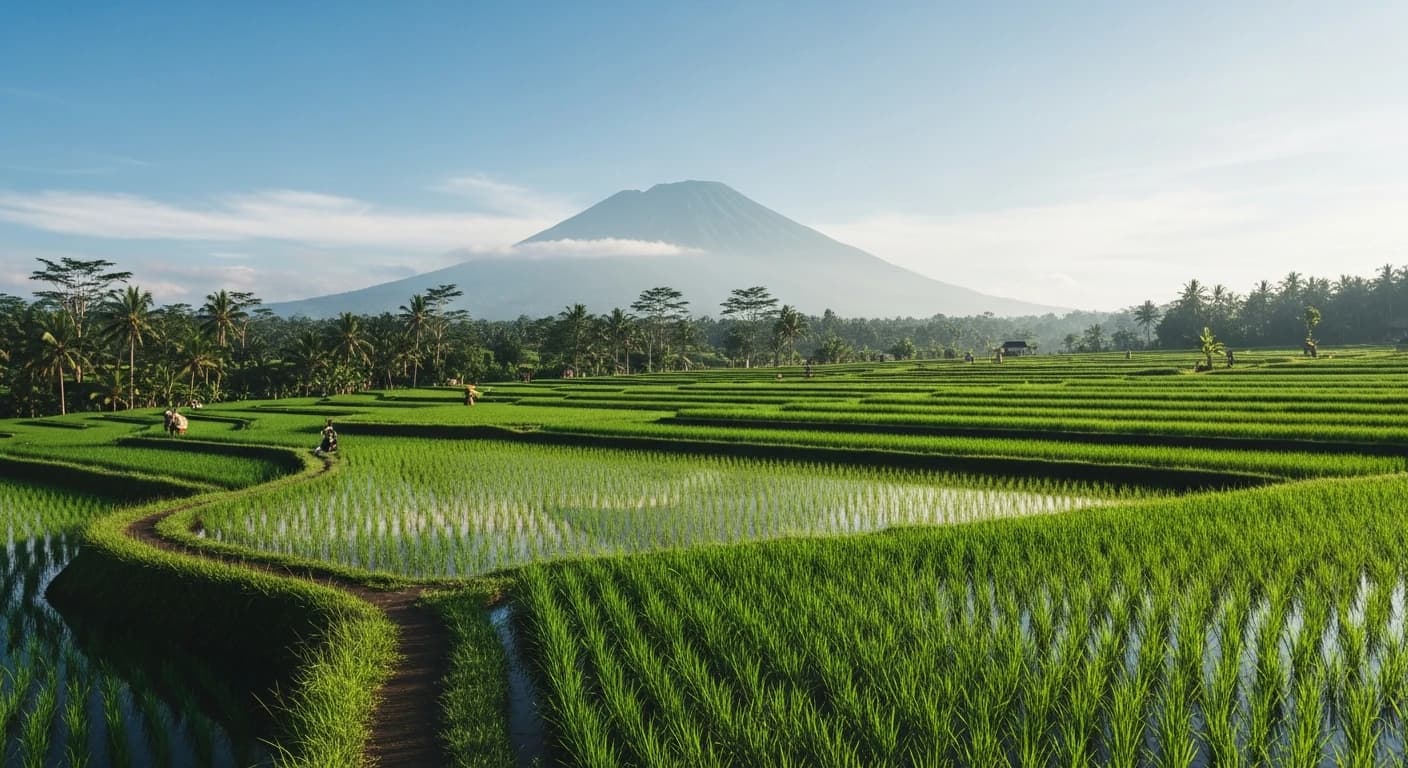
Abiansemal is a captivating sub-district located in the Badung Regency of Bali, Indonesia. Nestled amidst the lush green hills and rice paddies, it offers a serene escape from the bustling tourist hotspots of the island. Historically, Abiansemal has been an agricultural hub, with rice cultivation playing a significant role in the local economy and culture. The region has deep-rooted traditions that date back centuries, reflecting the rich Balinese heritage. The name 'Abiansemal' itself signifies 'the place where the water flows,' a nod to the numerous rivers that meander through the landscape.
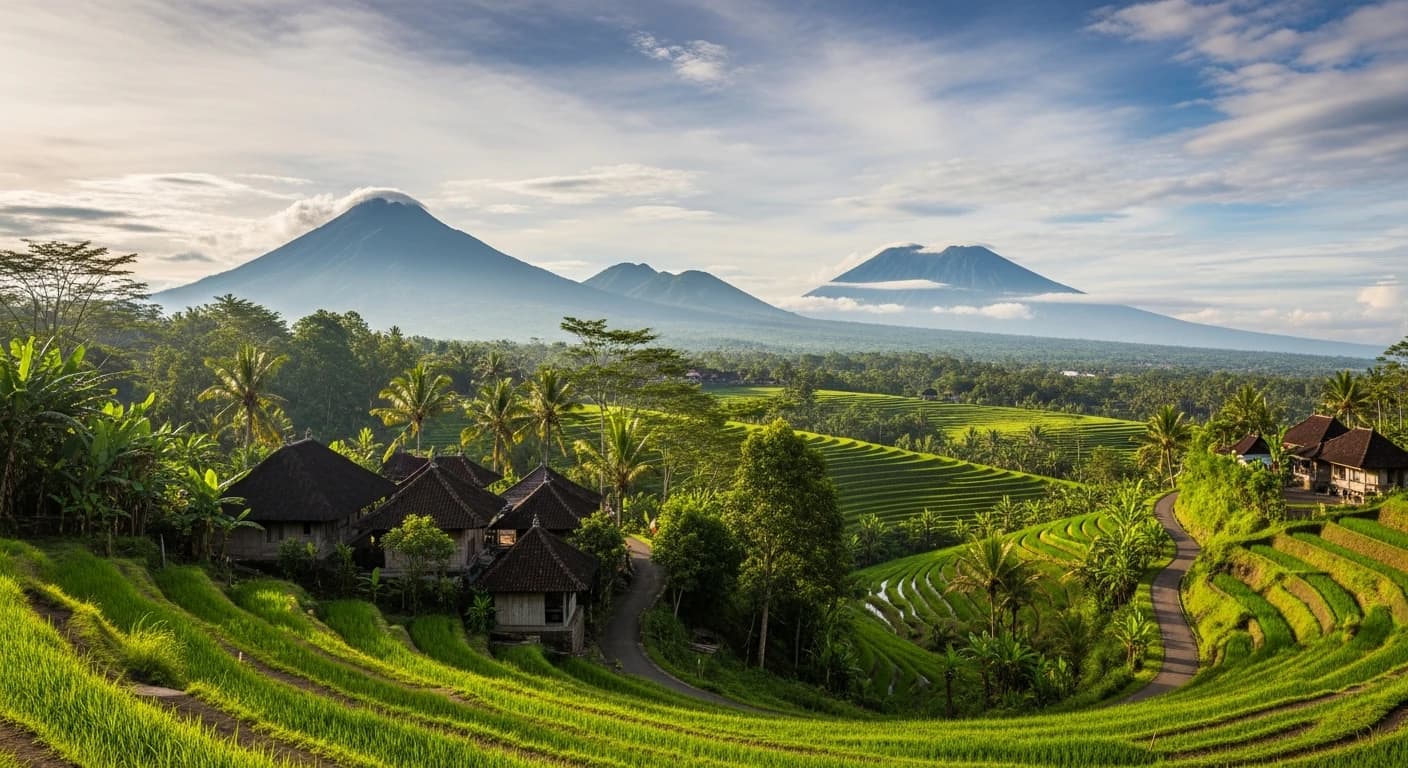
The geography of Abiansemal is characterized by rolling hills, fertile valleys, and stunning rice terraces that are often compared to the iconic landscapes of Ubud, yet they remain relatively untouched by mass tourism. This contributes to a laid-back vibe that attracts those seeking tranquility, spirituality, and a deeper connection to Balinese culture.
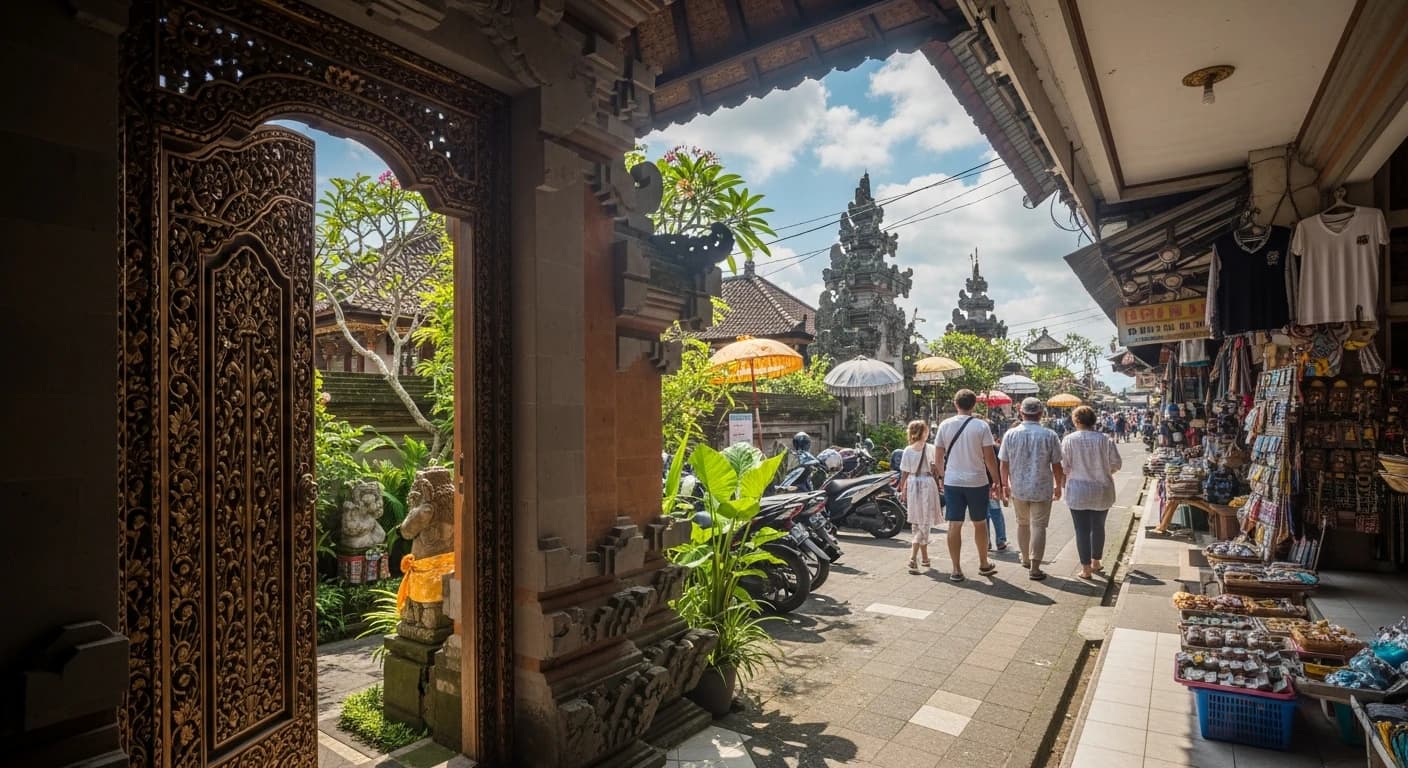
Visitors to Abiansemal can expect to find a warm community that prides itself on its traditions. The area is home to several temples, including the historic Pura Taman Ayun, which is a UNESCO World Heritage site. The natural beauty, combined with the rich cultural tapestry, makes Abiansemal an ideal destination for those looking to immerse themselves in the authentic Balinese experience.
When it comes to accommodation in Abiansemal, travelers will find a range of options tailored to different budgets. For those seeking luxury, there are upscale resorts and private villas that offer stunning views of the surrounding landscape. These properties often feature infinity pools, spa services, and gourmet dining options that allow guests to unwind in style.
On the other end of the spectrum, budget travelers can find charming guesthouses and homestays that provide a more intimate glimpse into Balinese life. Staying in a local home can be a rewarding experience, as many hosts offer meals and insights into traditional customs. Areas like Kaba Kaba and Mengwi are popular for budget stays, with easy access to local markets and attractions.
To navigate Abiansemal like a local, consider renting a scooter, which is the most popular mode of transport on the island. This allows you to explore at your own pace and discover hidden gems that are off the beaten path. Alternatively, there are local bemos (shared minivans) that operate on fixed routes and are an economical way to travel. For those who prefer a more relaxed experience, hiring a driver for the day can provide convenience and local insights.
Abiansemal serves as an excellent base for exploring nearby hidden gems. Just a short drive away, you can discover the enchanting Jatiluwih Rice Terraces, another UNESCO World Heritage site that showcases Bali's agricultural heritage. The stunning landscapes here are perfect for trekking and photography.
Additionally, the sacred Batukaru Temple, located on the slopes of Mount Batukaru, is a spiritual haven surrounded by dense rainforest. Here, visitors can engage in meditation and connect with the divine while surrounded by nature. Other local attractions include the serene Sangeh Monkey Forest, which is less crowded than its counterparts in Ubud, and the vibrant traditional markets in nearby Mengwi.
The best time to visit Abiansemal is during the dry season, which typically runs from April to October. This period offers sunny days, minimal rainfall, and the ideal weather for outdoor activities. However, visiting during the shoulder months of April and October can provide a balance of good weather and fewer tourists.
The wet season, from November to March, can bring heavy rains, particularly in December and January. While the landscape becomes lush and vibrant during these months, some outdoor activities may be limited due to the weather conditions. Nonetheless, this season also offers opportunities to experience local festivals and the quieter side of Bali.
Abiansemal experiences a tropical climate characterized by two distinct seasons. From January to March, the area is typically warm and humid, with average temperatures ranging from 24°C to 31°C (75°F to 88°F). Rainfall is common, particularly in December, with January often being the wettest month.
As the dry season approaches, from April to October, temperatures remain consistently warm, averaging between 25°C to 32°C (77°F to 90°F). The humidity decreases, making it an ideal time for outdoor exploration. The months of June to September are particularly pleasant, as they are marked by clear skies and gentle breezes, perfect for hiking and sightseeing.
The culture of Abiansemal is deeply rooted in Balinese traditions, with numerous festivals celebrated throughout the year. The most notable is the Galungan festival, which occurs every 210 days and marks the victory of dharma (good) over adharma (evil). During this time, the streets are adorned with colorful penjors (bamboo poles), and families come together to honor their ancestors.
The local people are known for their warm hospitality and strong sense of community. Visitors are often welcomed into homes and offered traditional snacks and drinks. When interacting with locals, it’s essential to observe proper etiquette—using polite language, showing respect for sacred sites, and dressing modestly when visiting temples.
Abiansemal offers a delightful culinary landscape that showcases the rich flavors of Balinese cuisine. Must-try dishes include Nasi Campur, a mixed rice dish served with various proteins, vegetables, and sambal, which reflects the island's agricultural bounty. Another favorite is Babi Guling, or roast suckling pig, often served during special occasions and family gatherings.
The culinary history of Bali is heavily influenced by its geographical diversity and cultural practices. Many dishes are prepared using locally sourced ingredients, and traditional cooking methods such as grilling over coconut husks enhance the flavors. Don't miss trying traditional Balinese desserts like Klepon, rice cake filled with palm sugar and coated in grated coconut, which provide a sweet end to any meal.
1. Pura Taman Ayun: This magnificent temple complex, a UNESCO World Heritage site, is known for its stunning garden landscapes and intricate architecture. Built in the 17th century, it is dedicated to the ancestors of the Mengwi royal family. The temple's serene atmosphere and beautiful lotus ponds make it a must-visit. Guided tours often provide insights into its historical significance and architectural details.
2. Jatiluwih Rice Terraces: Famous for their breathtaking views, these terraces exemplify the traditional Subak irrigation system. As you walk through the lush green paddies, you'll gain a deeper appreciation for the agricultural practices that have sustained the Balinese people for generations.
3. Batukaru Temple: Nestled in the rainforest, this sacred temple is dedicated to the god of the mountain. The tranquil setting invites visitors to meditate and connect with nature, providing a spiritual retreat away from the crowds.
4. Sangeh Monkey Forest: Unlike its more famous counterpart in Ubud, this forest offers a quieter experience with playful monkeys and towering nutmeg trees. The forest plays a vital role in local ecology and is a great spot for a leisurely stroll among nature.
5. Mengwi Market: A vibrant local market where you can immerse yourself in the authentic Balinese culture. Here, you can find fresh produce, handcrafted goods, and traditional snacks. Engaging with local vendors offers a glimpse into everyday life in Bali.
Nearby places worth adding to your itinerary.
Top stays in Abiansemal picked for comfort, value, and great guest reviews.