Abiansemal
Explore stays
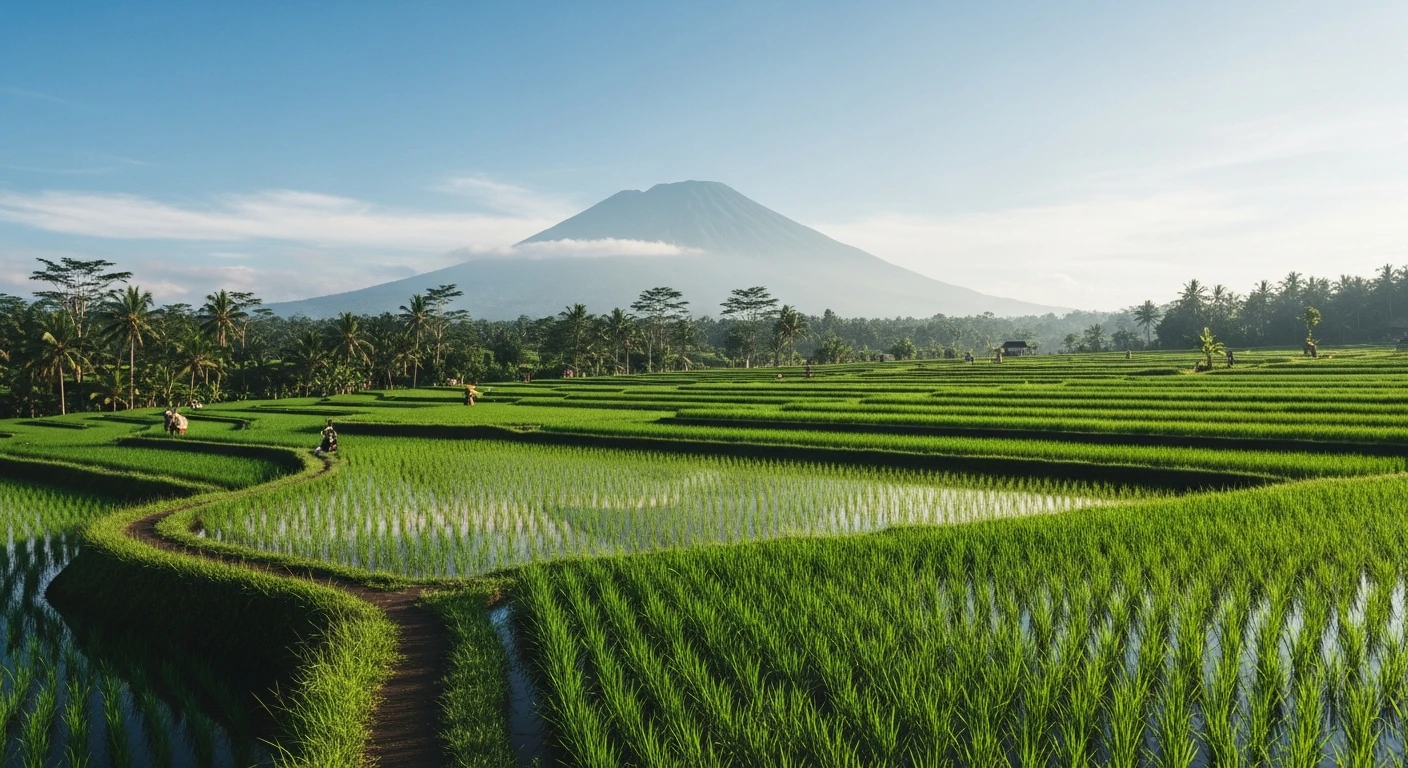
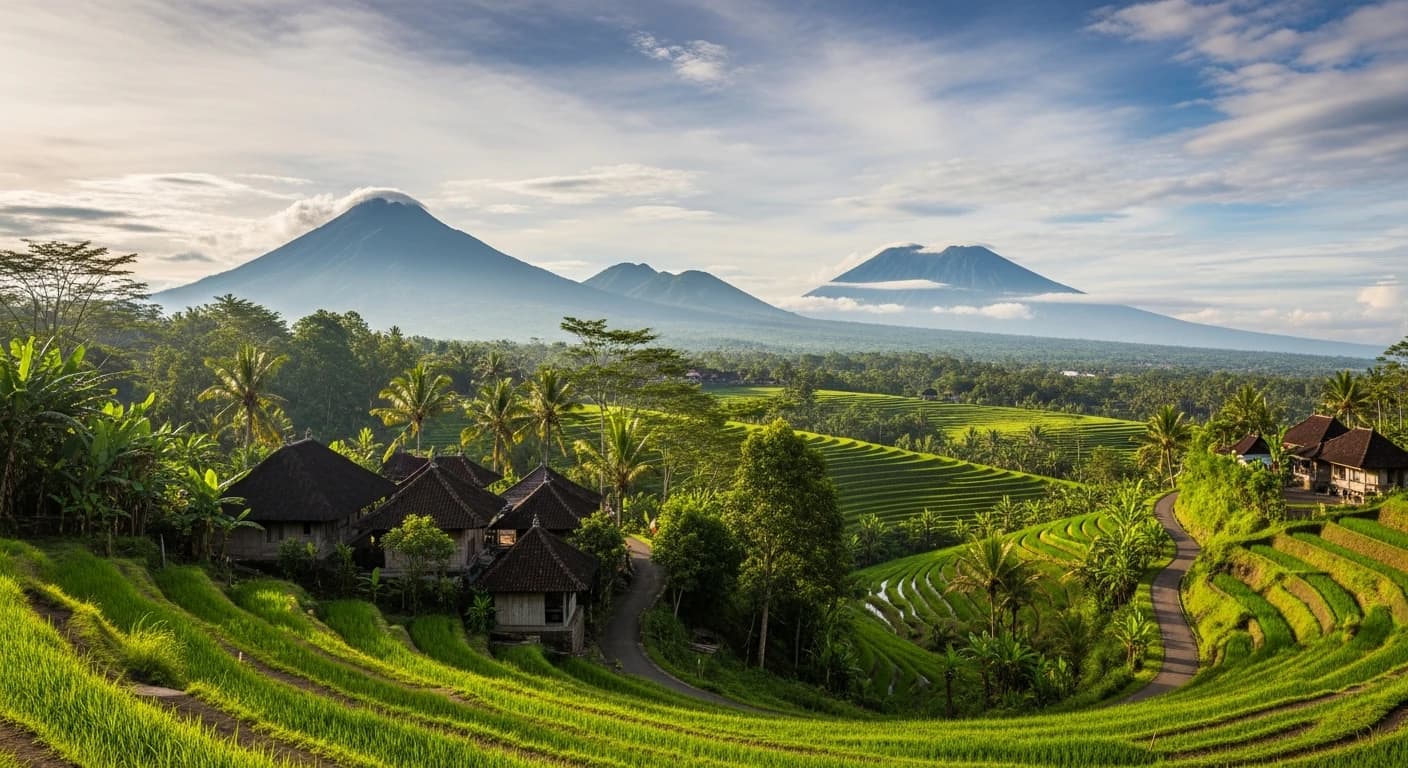
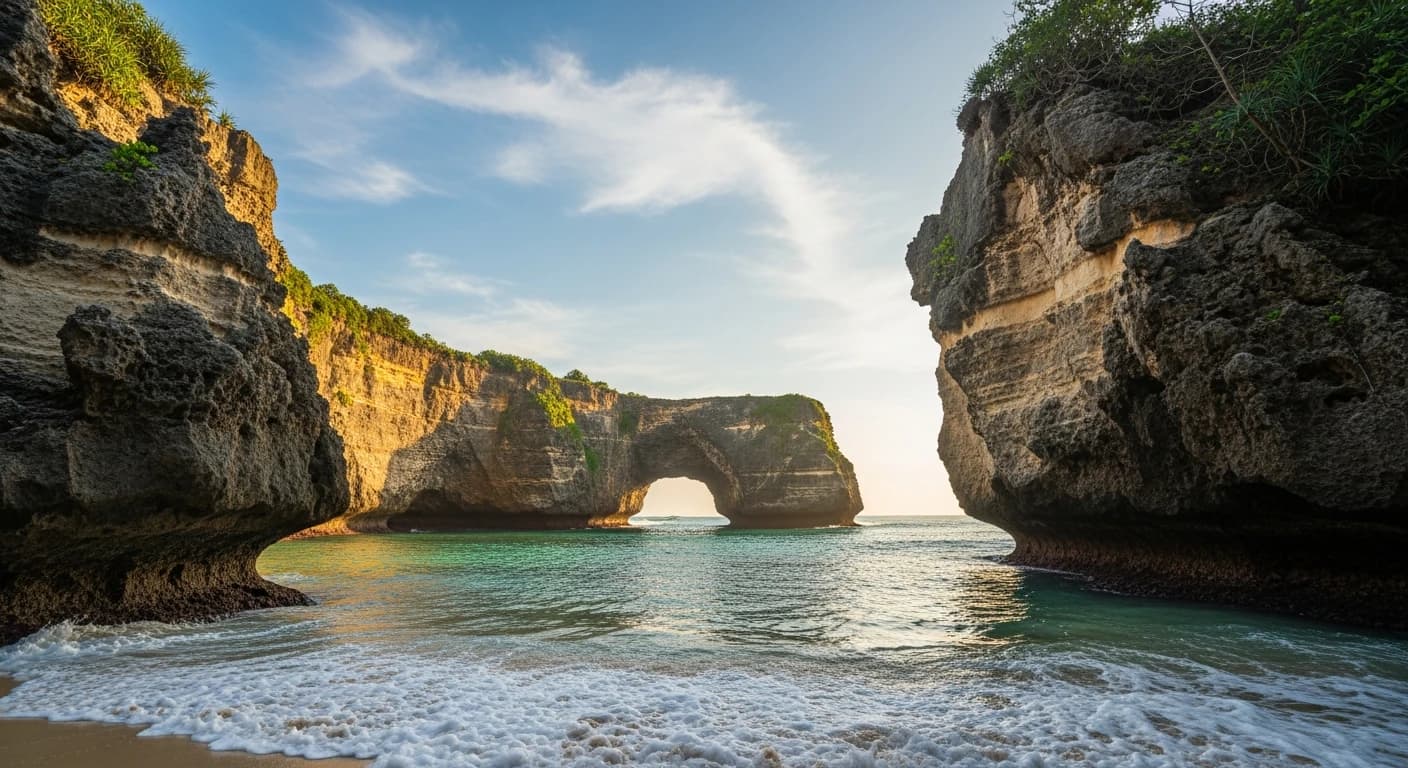
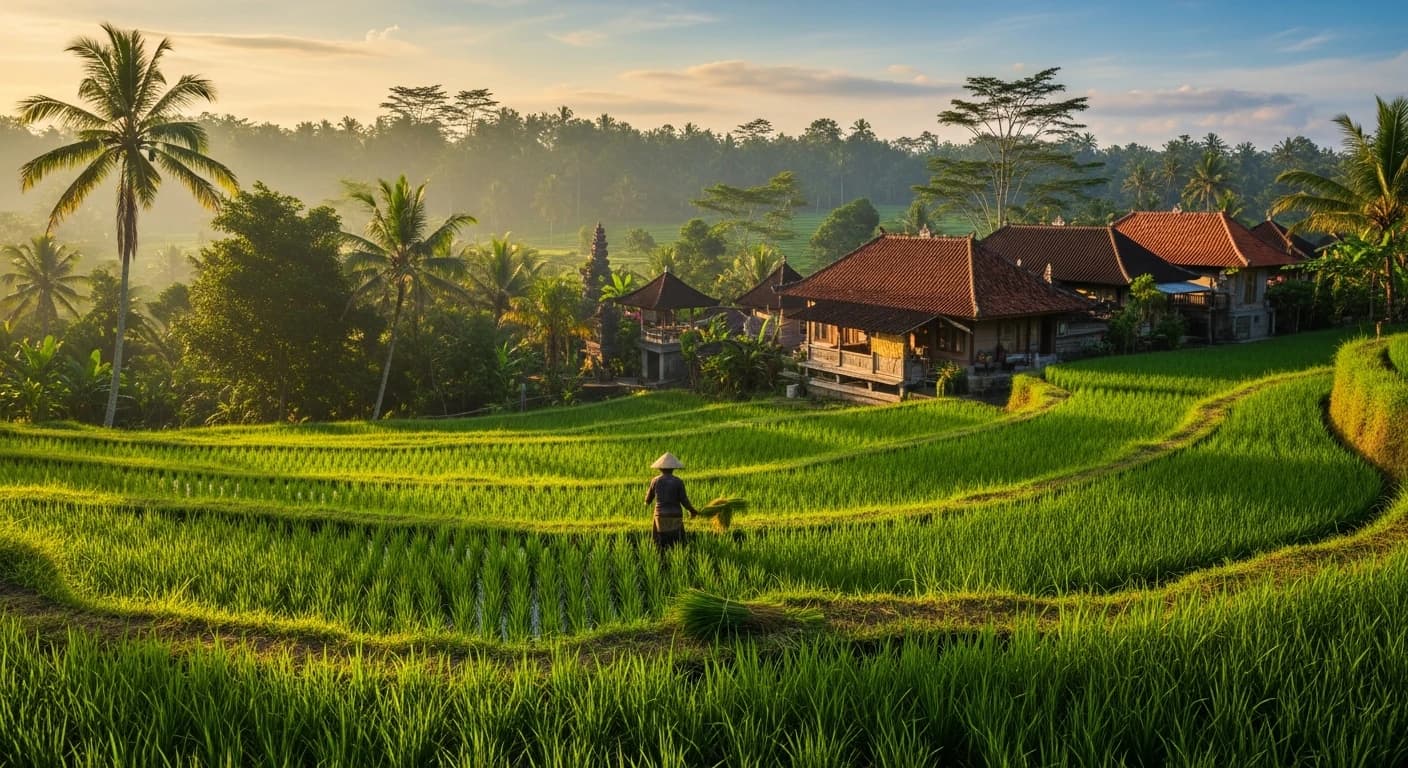
Welcome to Tabanan, a captivating region in Bali that beautifully embodies the island's rich cultural heritage and natural beauty. Nestled between the lush rice terraces and volcanic mountains, Tabanan is often overshadowed by more tourist-heavy areas but offers an authentic Balinese experience. Historically, Tabanan was once the center of the Majapahit Kingdom, serving as a vital agricultural hub. This historical significance is evident in the numerous temples and traditional ceremonies held throughout the region. The geography of Tabanan features diverse landscapes, including the famous Jatiluwih rice terraces, which are a UNESCO World Heritage Site. The vibe here is tranquil and laid-back, contrasting sharply with the hustle and bustle of southern Bali. You'll find friendly locals engaged in traditional handicrafts, farming, and ceremonies that celebrate their rich heritage.
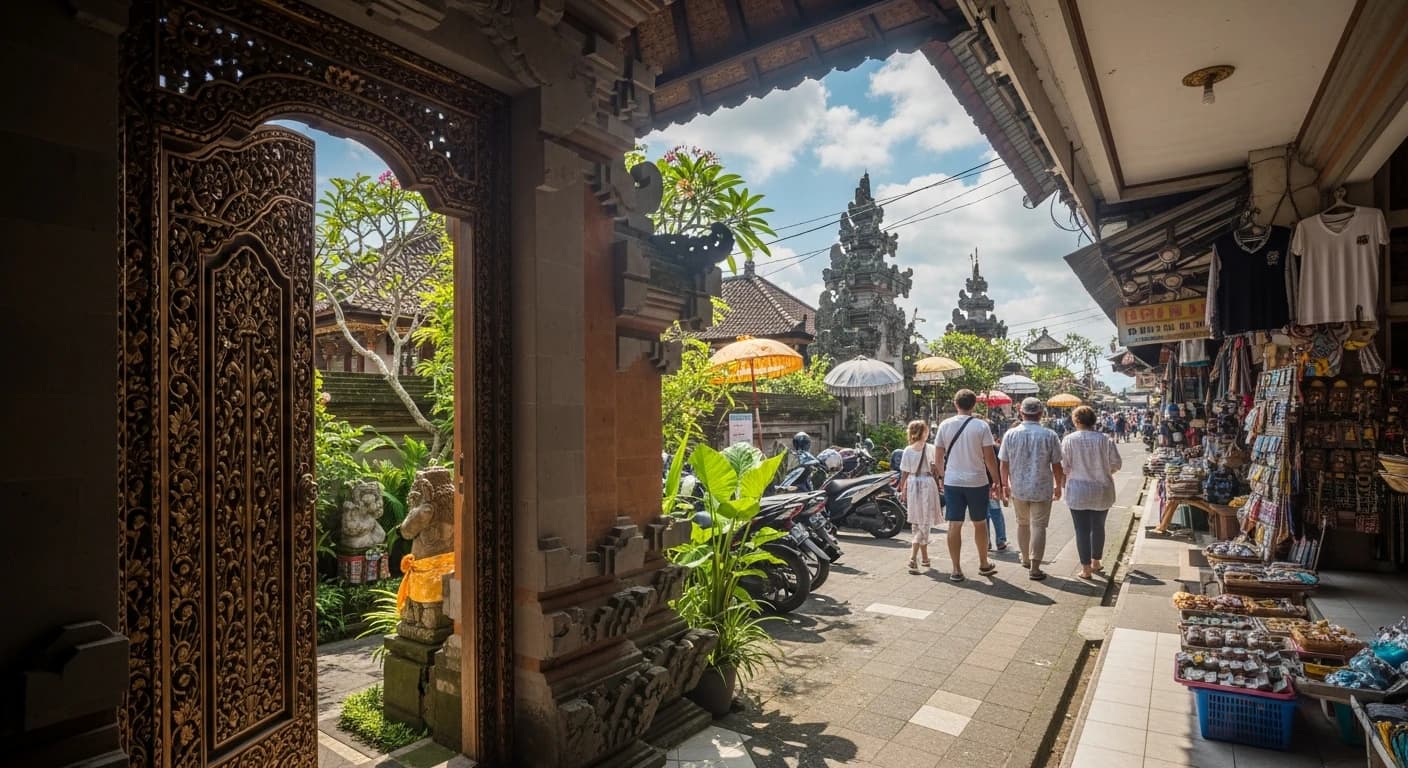
As you explore Tabanan, you will be struck by the warm hospitality of its residents, who take great pride in their cultural practices. The region is also home to several artistic communities, where local artisans create intricate wood carvings, textiles, and other handicrafts. The community's commitment to preserving Bali's cultural identity is evident in every corner, making Tabanan a unique destination for travelers seeking authenticity. Whether you're wandering through the verdant rice paddies or visiting ancient temples, Tabanan promises an enriching experience that showcases the essence of Bali.
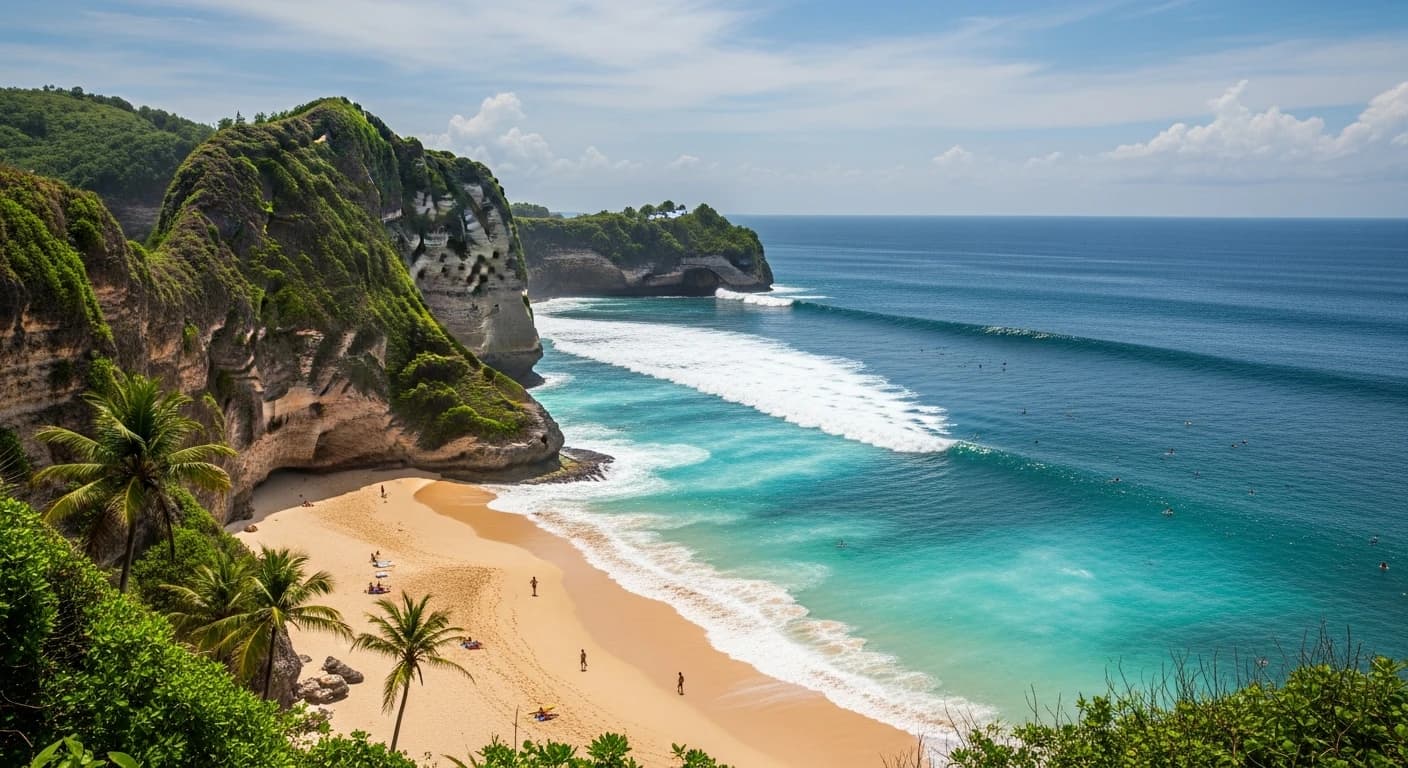
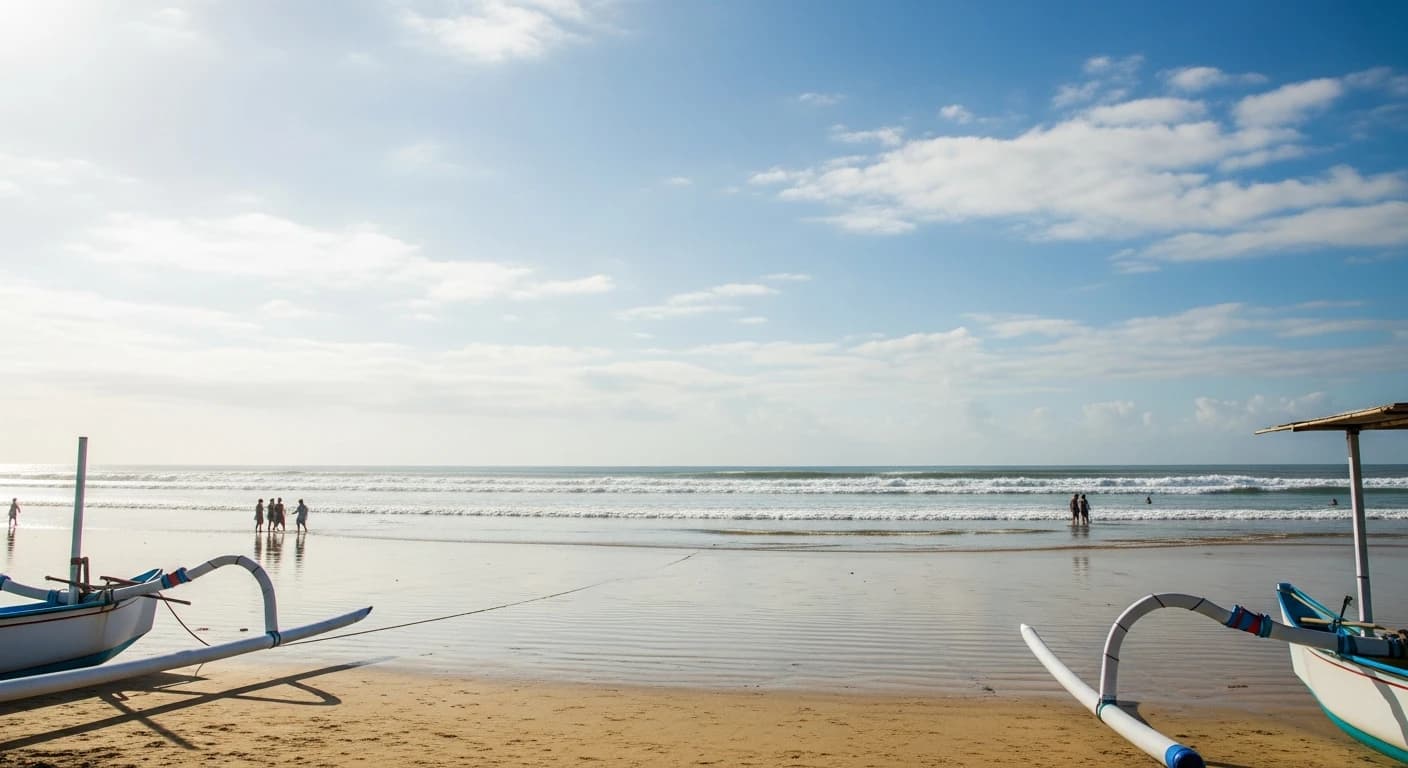
Tabanan offers a range of accommodation options, catering to both luxury travelers and budget-conscious visitors. For those seeking opulence, luxury resorts such as the Pan Pacific Nirwana Bali Resort provide stunning views of the Indian Ocean and world-class amenities, including golf courses and spa facilities. These resorts are often nestled along the coastline, providing easy access to the beach while ensuring a serene atmosphere.
For budget travelers, homestays and guesthouses in the area offer a cozy, authentic Balinese experience without breaking the bank. Areas like Canggu, which is a short drive from Tabanan, are popular for budget accommodations, featuring local guesthouses that immerse you in Balinese culture. Many homestays offer breakfast and occasional cooking classes, allowing visitors to engage with the local way of life. Regardless of your budget, Tabanan's accommodations provide a perfect base for exploring the beauty of Bali.
Getting around Tabanan is relatively easy if you embrace local modes of transportation. Motorbikes are a popular choice for both locals and travelers, allowing you to navigate through the area's narrow roads and scenic landscapes. Renting a motorbike is straightforward, with several shops offering daily rentals. Alternatively, you can hire a local driver who knows the area well, ensuring you don't miss out on hidden gems.
Public transport options like bemos (shared minibuses) are available, although they may not be as frequent or direct as in other parts of Bali. Using apps like Grab or Gojek can also be a convenient way to arrange rides around Tabanan. Embracing these local transport methods will enrich your experience and allow you to interact with the friendly Balinese community.
Tabanan serves as an excellent launching point for various excursions to explore Bali's hidden gems. One must-visit location is the serene Sangeh Monkey Forest, where you can observe playful monkeys among ancient nutmeg trees. This area is less crowded than the more famous Ubud Monkey Forest and allows for a more intimate experience with nature.
Another enchanting destination is the hidden waterfall of Tegenungan, where you can swim in its refreshing waters surrounded by lush greenery. For those seeking a cultural experience, the nearby village of Jatiluwih offers guided tours of its famous rice terraces, providing insights into traditional rice farming practices. Additionally, the mystical Ulun Danu Beratan Temple, situated on Lake Beratan, is a stunning backdrop for photographs and a peaceful spot for reflection. Each of these excursions enables you to discover the unique beauty and culture of Bali beyond the typical tourist trail.
The best time to visit Tabanan, Bali, is during the dry season, which runs from April to October. This period features sunny days and lower humidity, making it ideal for outdoor activities such as hiking, visiting temples, and exploring rice terraces. However, it's essential to note that July and August can be particularly crowded due to international tourists flocking to Bali.
For those who prefer a quieter atmosphere, consider visiting in the shoulder months of April, May, and September. During these months, temperatures remain pleasant, and the landscapes are lush and vibrant. The wet season, from November to March, can bring heavy rains, especially in January and February, but it also offers a unique charm with fewer tourists and a refreshing green landscape.
Understanding the weather in Tabanan is crucial for planning your trip. January typically sees the most rain, with average temperatures around 30°C (86°F). February remains similarly wet but gradually transitions to drier conditions as the months progress. By March, rainfall decreases, and temperatures rise slightly.
April marks the beginning of the dry season, with warmer days averaging around 31°C (88°F) and minimal rainfall. May and June experience pleasant weather, perfect for outdoor activities. July and August are the driest months, with temperatures ranging from 29°C to 31°C (84°F to 88°F). September begins to transition back into the wet season, but the weather remains relatively dry and warm. October marks the start of the rainy season, with increased humidity and cooler temperatures, averaging around 28°C (82°F).
Tabanan is a cultural oasis in Bali, steeped in tradition and community spirit. The region is known for its festivals, such as the Bali Dancers Festival, which showcases the rich artistic heritage of Balinese dance and music. Residents take pride in their traditions, often participating in ceremonies that celebrate significant life events, agricultural cycles, and religious observances.
Etiquette is paramount in Balinese culture. Visitors should dress modestly when visiting temples, covering shoulders and knees, and be respectful during ceremonies. Offering small offerings (canang sari) at temples and homes is common practice and symbolizes gratitude and respect to the gods. Engaging with locals and participating in community activities can enrich your experience and foster a deeper understanding of the Balinese way of life.
Bali's culinary landscape is diverse, and Tabanan is no exception. Must-try dishes include Nasi Goreng, a flavorful fried rice dish that showcases local spices, and Babi Guling, a succulent roasted pig often served at special occasions. The culinary history of Tabanan is deeply rooted in its agricultural practices, with fresh ingredients sourced from the surrounding rice paddies.
Other local delights include Lawar, a traditional salad made from finely chopped meat, vegetables, and spices, and Sate Lilit, a unique version of satay that uses minced meat and coconut wrapped around lemongrass sticks. Be sure to sample these dishes in local warungs (small eateries) to experience authentic Balinese flavors and hospitality.
1. **Jatiluwih Rice Terraces**: A UNESCO World Heritage Site, these breathtaking rice paddies span over 600 hectares, showcasing a traditional subak irrigation system. The terraces are a testament to the Balinese philosophy of harmony between nature and farming, and they offer stunning views and opportunities for hiking.
2. **Ulun Danu Beratan Temple**: This picturesque temple, located on Lake Beratan, is dedicated to the water goddess Dewi Danu. The temple's stunning architecture reflects Balinese religious beliefs and is a popular spot for photographs, especially at sunrise.
3. **Tanah Lot Temple**: Perched on a rocky outcrop, Tanah Lot is one of Bali's most iconic sea temples. Known for its breathtaking sunsets, this site is steeped in legend and offers a glimpse into the spiritual practices of the Balinese people.
4. **Bali Butterfly Park**: Located in Tabanan, this park is home to hundreds of species of butterflies. Visitors can learn about their life cycle and conservation while walking through beautiful gardens adorned with vibrant flowers.
5. **Sangeh Monkey Forest**: Unlike its counterparts in Ubud, Sangeh offers a more tranquil experience. The forest is home to long-tailed macaques and ancient nutmeg trees, providing a peaceful environment for wildlife enthusiasts and nature lovers.
Nearby places worth adding to your itinerary.
Top stays in Bali Tabanan picked for comfort, value, and great guest reviews.