Abiansemal
Explore stays
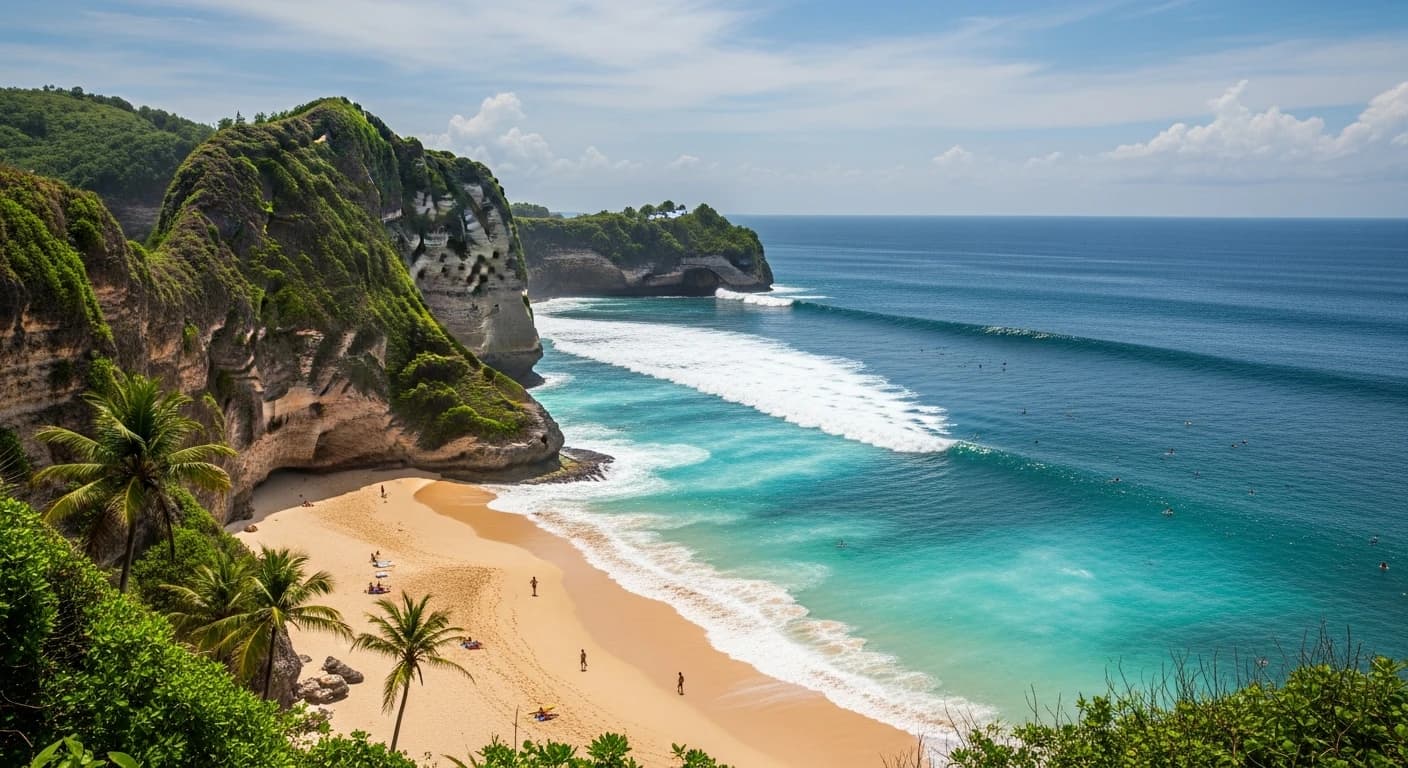
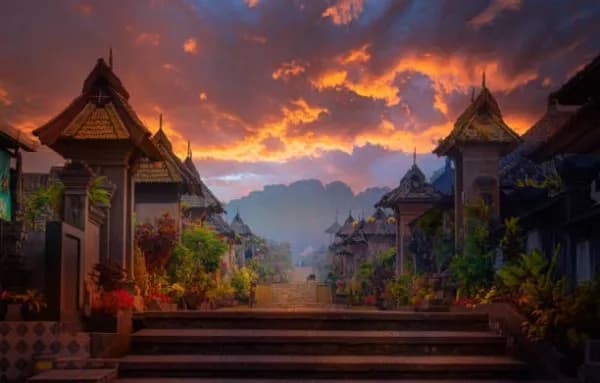
Badung is a prominent regency located in the southern part of Bali, Indonesia. The region is not only known for its stunning beaches and vibrant nightlife but also for its rich cultural heritage and historical significance. Historically, Badung has been a pivotal area for trade and cultural exchanges, having been influenced by both indigenous traditions and foreign trades. The name 'Badung' itself is believed to originate from the Balinese word for 'to guard,' indicating its historical role as a protector of Bali's southern territories.
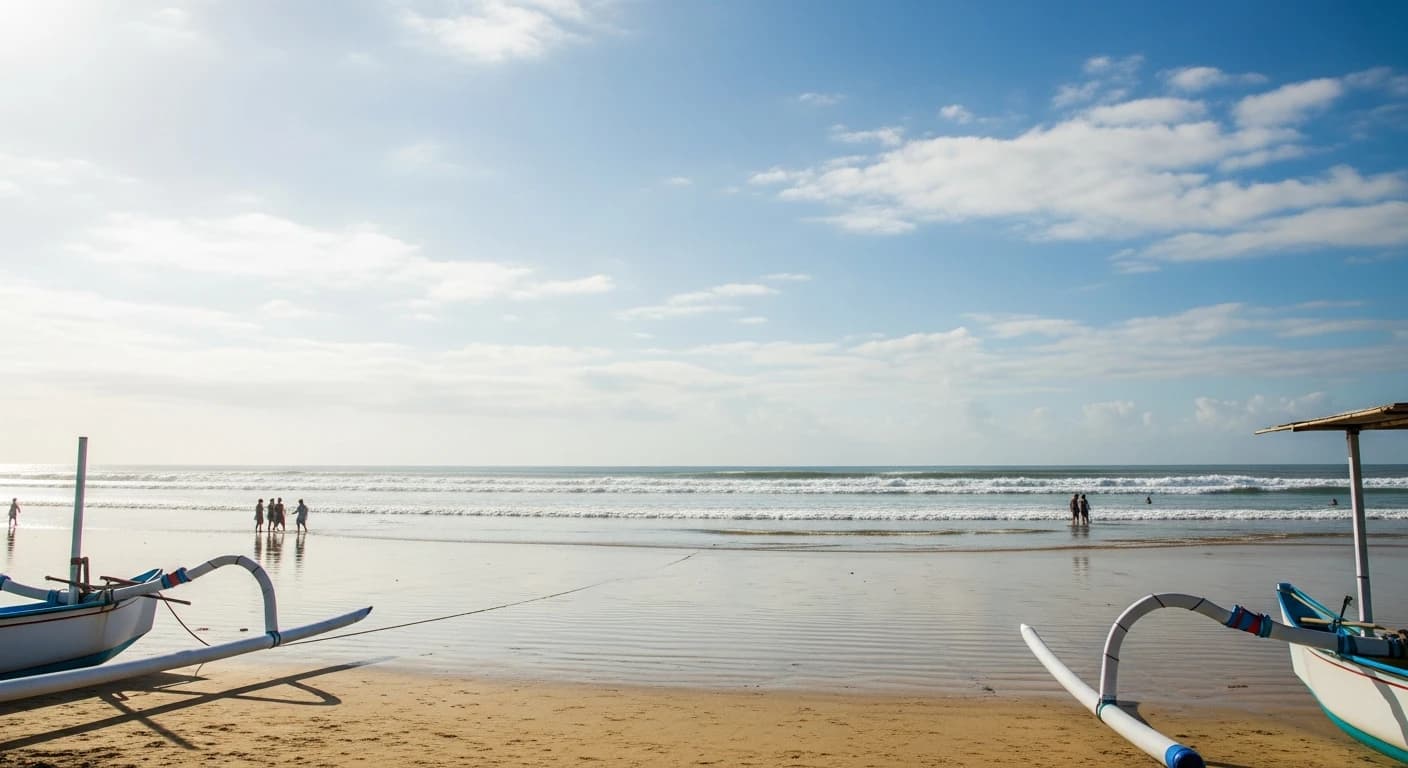
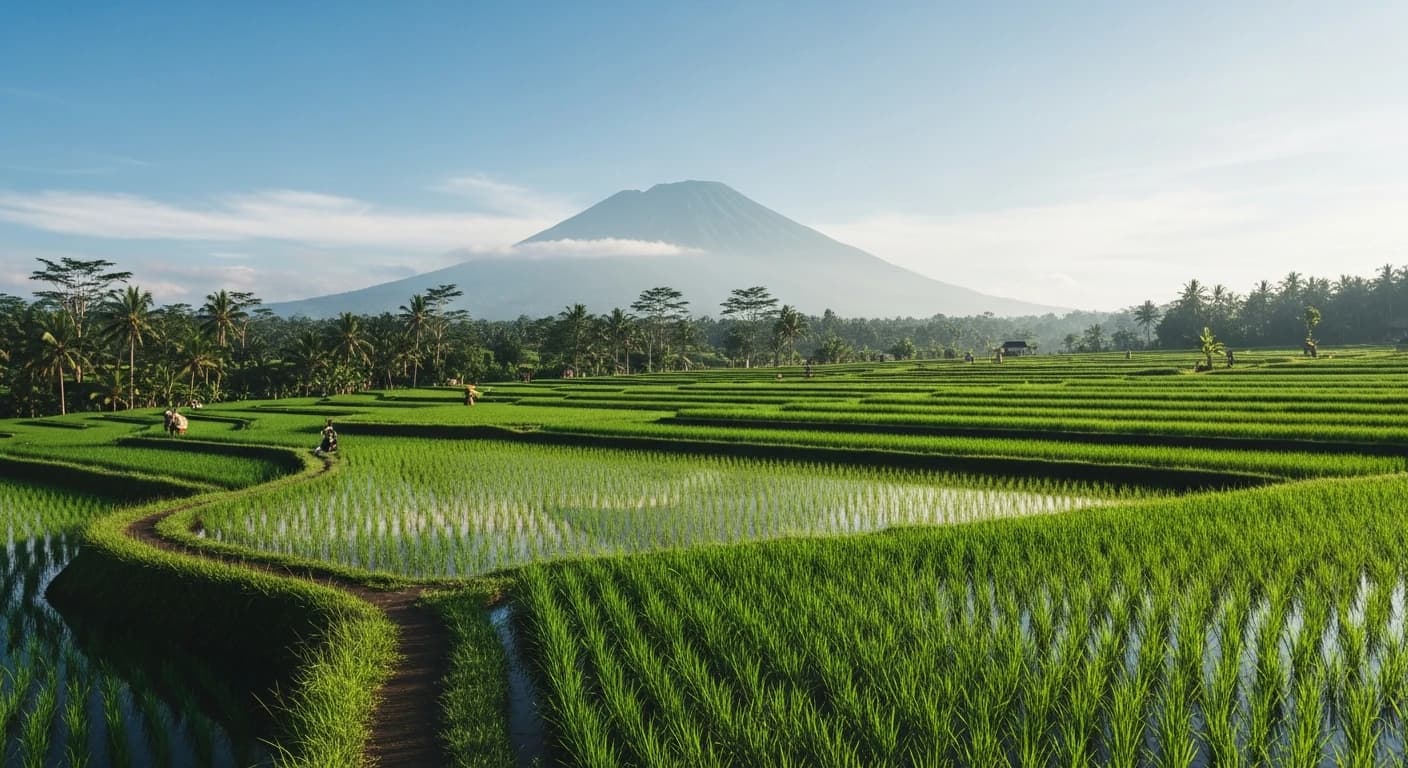
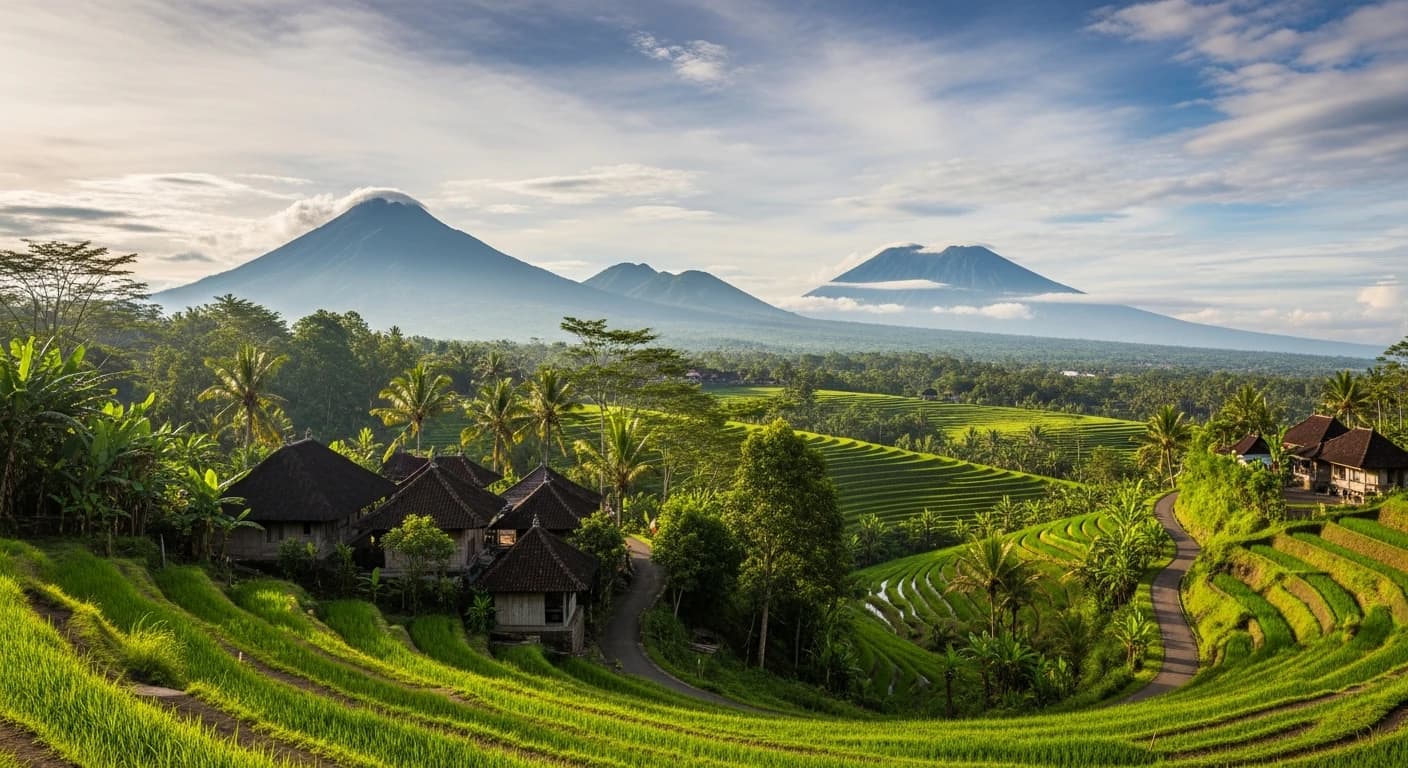
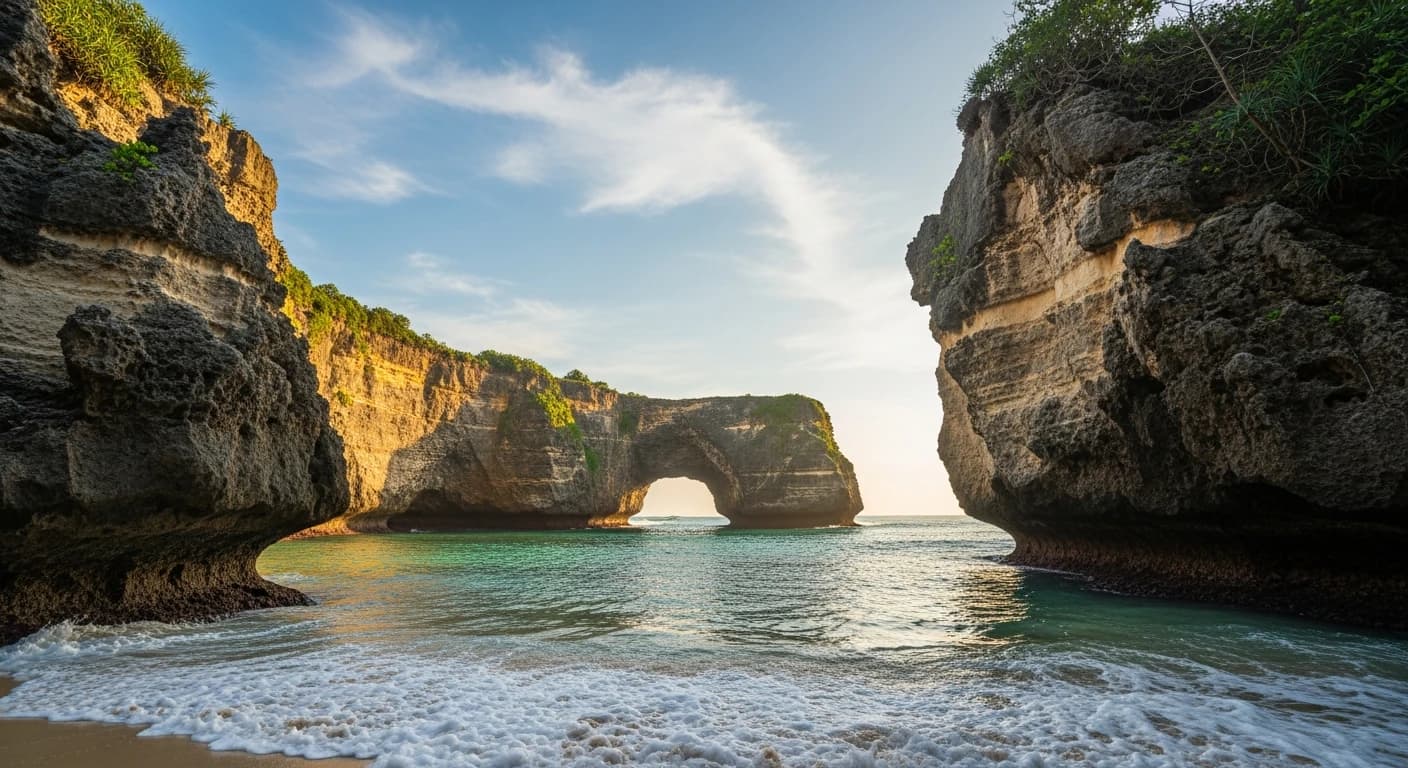
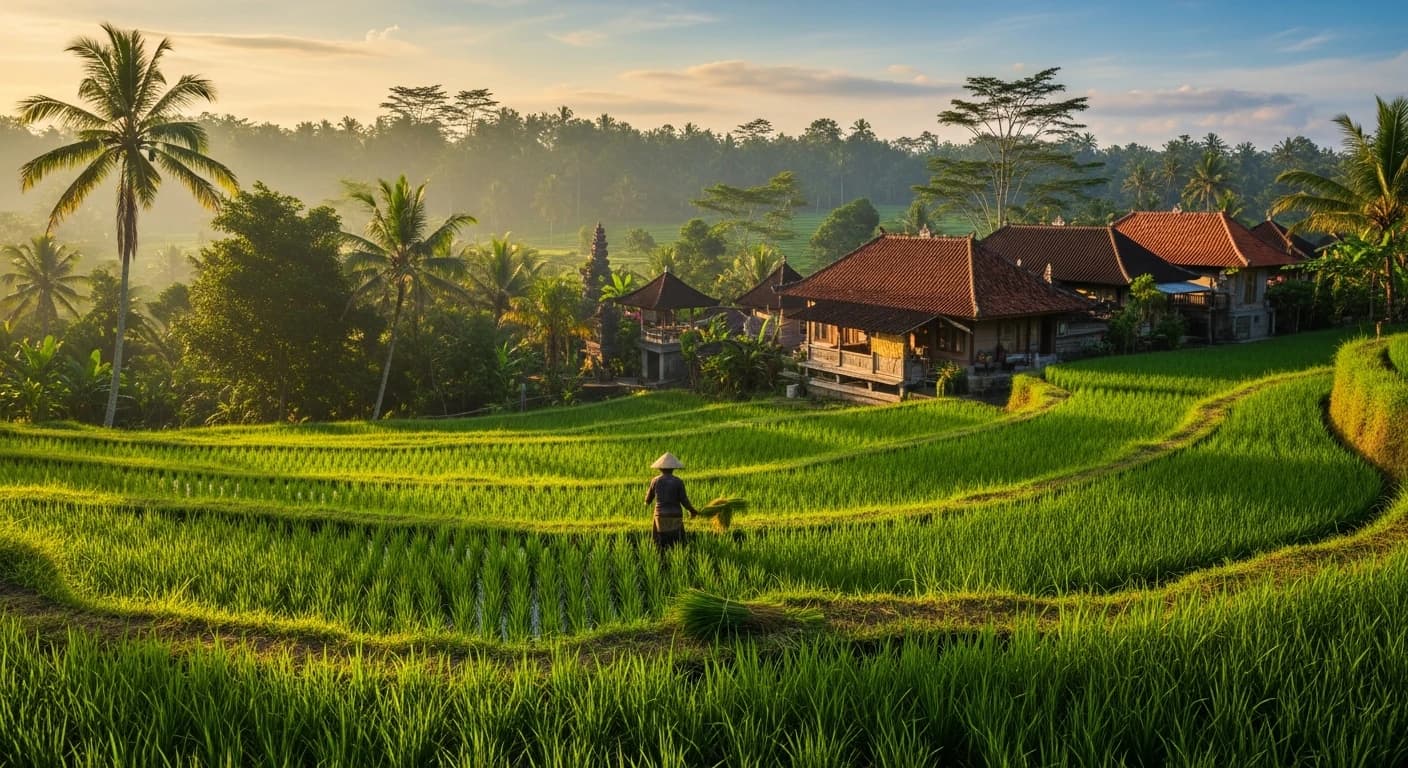
Geographically, Badung is surrounded by the Indian Ocean to the south and is characterized by its lush rice terraces, rolling hills, and volcanic landscapes. The regency includes popular tourist destinations such as Kuta, Seminyak, and Nusa Dua, each offering a unique blend of modern amenities and traditional Balinese charm. The vibe in Badung is a vibrant mix of traditional Balinese culture and contemporary tourist attractions, making it an ideal destination for those seeking both relaxation and adventure.
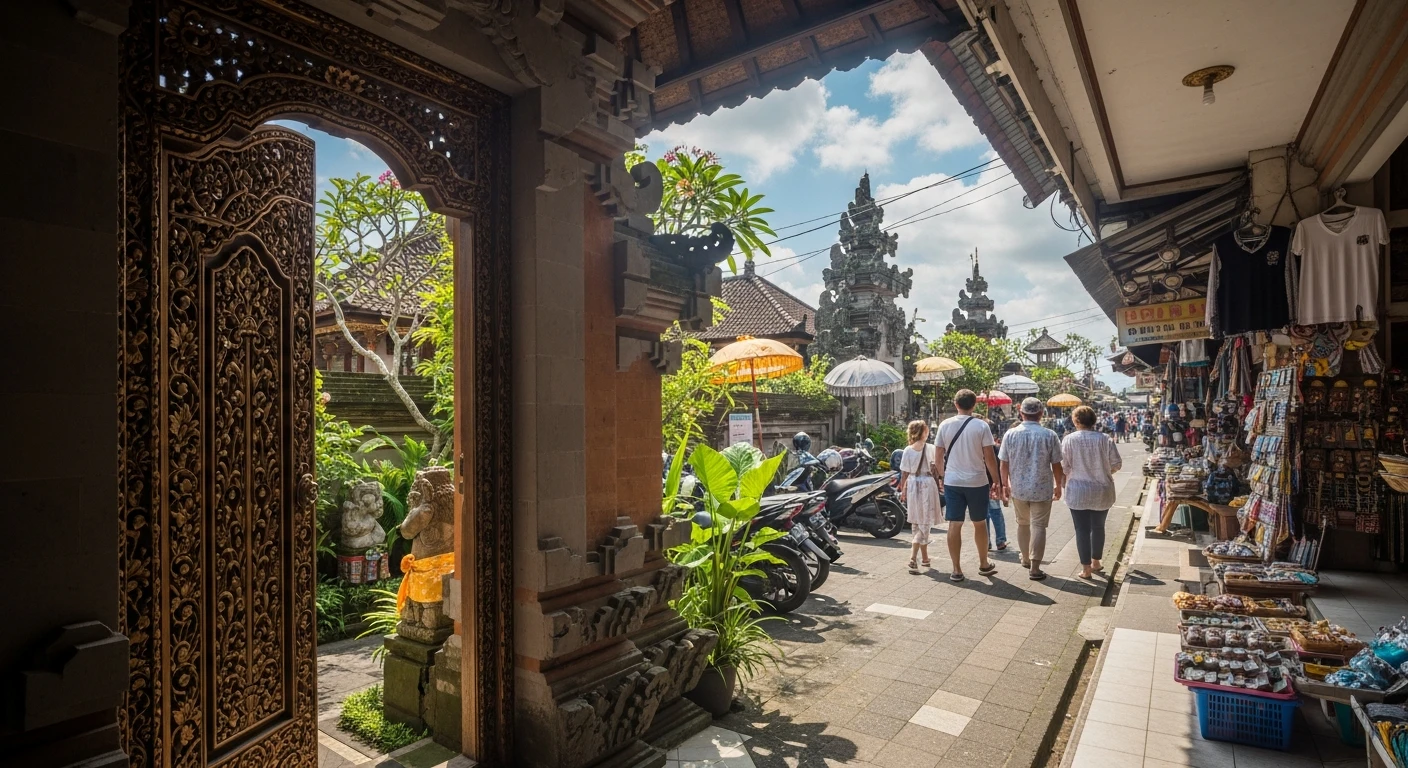
With its array of world-class beaches, luxurious resorts, and lively markets, Badung attracts millions of tourists annually. The local community is warm and welcoming, often engaging with visitors through cultural performances and traditional ceremonies. As you wander through the streets, you'll find a plethora of shops selling handcrafted goods, local art, and exquisite textiles, embodying the spirit of Bali.
When it comes to accommodation in Badung, visitors are spoilt for choice ranging from luxury resorts to budget-friendly hotels. In areas like Seminyak, you will find high-end resorts such as the W Bali and The Legian, where opulence meets the soothing sounds of the ocean. These hotels often feature private beaches, infinity pools, and award-winning restaurants, providing an indulgent experience that encapsulates the essence of Bali.
For those on a budget, Kuta offers numerous affordable guesthouses and hostels that allow travelers to enjoy the vibrant atmosphere without breaking the bank. Places like the Kuta Beach Hostel provide a social environment where you can meet fellow backpackers. Additionally, Airbnb has become a popular option, offering a range of homes from traditional Balinese bungalows to modern villas, catering to all budgets and preferences.
Navigating Badung like a local can be an adventure in itself. While taxis and ride-sharing apps like Gojek and Grab are readily available, consider using a scooter to truly immerse yourself in the Balinese lifestyle. Renting a scooter gives you the freedom to explore hidden gems and local eateries at your own pace. However, always wear a helmet and be cautious of traffic, as local driving can be quite chaotic.
For longer excursions, consider hiring a local driver; this not only supports the local economy but also allows you to learn more about the culture and history of Bali from a knowledgeable guide. Bemos, the local minibuses, are also an inexpensive way to travel, though they can be crowded and less comfortable than other options.
While Badung is famous for its beaches, there are numerous hidden gems worth exploring in the surrounding areas. Just a short drive from the bustling beaches lies the tranquil village of Ubud, known for its art scene and lush landscapes. Here, you can visit the Tegallalang Rice Terraces, a stunning example of Bali’s traditional irrigation system known as Subak.
Another hidden treasure is the sacred Tirta Empul Temple, famous for its holy spring water where locals partake in purification rituals. The temple's intricate architecture and serene ambiance make it a perfect escape from the busy tourist spots. Don't forget to explore the nearby Mount Batur for an unforgettable sunrise trek that offers breathtaking views of the surrounding landscape.
The best time to visit Badung, Bali is during the dry season, which typically runs from April to October. During these months, you can expect sunny days and less humidity, making it ideal for beach activities and excursions. July and August are peak tourist months, so expect larger crowds and higher prices.
Conversely, the wet season from November to March sees heavy rainfall, particularly in December and January. However, visiting during this time can offer a more tranquil experience, with fewer tourists and lush green landscapes. Just be prepared for occasional rain showers, which usually pass quickly.
The weather in Badung varies throughout the year, making it essential to plan your visit accordingly. January is the wettest month with average temperatures around 27°C (81°F), while July boasts the coolest weather with averages around 26°C (79°F). The humidity can be quite high, especially from November to March.
February and March see a gradual decline in rainfall, making them ideal months for budget travelers looking to avoid crowds. By April, the weather starts to warm up, transitioning into the dry season. The months of May through September are characterized by warm, dry conditions perfect for beach activities, outdoor excursions, and cultural festivals.
The culture in Badung is a vibrant tapestry woven from ancient traditions and modern influences. Festivals play a significant role in Balinese life, with events like Nyepi (the Day of Silence) and Galungan attracting both locals and tourists. During Nyepi, the entire island comes to a standstill, allowing for introspection and reflection, while Galungan celebrates the victory of dharma over adharma, featuring colorful parades and delicious feasts.
The people of Badung are known for their warm hospitality and strong community ties. Local etiquette is important; modest dress is required when visiting temples, and a respectful demeanor is expected. Engaging with locals through traditional ceremonies or offerings can deepen your cultural experience and provide insight into their daily lives.
One cannot visit Badung without indulging in its culinary delights. Traditional Balinese dishes such as Nasi Goreng (fried rice) and Bebek Betutu (slow-cooked duck) are must-tries. These dishes often feature a medley of spices, reflecting the island's rich agricultural resources and cultural influences.
Street food stalls are abundant, offering a plethora of snacks like Sate Lilit (minced meat satay) and Pisang Goreng (fried banana). The culinary history of Bali is steeped in rituals and traditions, often linked to religious ceremonies, making food not just sustenance but a vital part of cultural heritage.
Badung is home to several must-visit landmarks that showcase the beauty and diversity of Bali. One of the most iconic spots is Tanah Lot Temple, perched on a rocky outcrop overlooking the Indian Ocean. This 16th-century sea temple is renowned for its stunning sunsets and is an essential stop for any visitor to Bali.
Another notable attraction is the Uluwatu Temple, famous for its clifftop setting and mesmerizing Kecak fire dance performances at sunset. The temple is a significant spiritual site and offers breathtaking views of the ocean, especially during the golden hour.
For a taste of local art and culture, head to the Neka Art Museum in Ubud, where you can explore Balinese paintings and artifacts. The museum highlights the evolution of Balinese art, showcasing both traditional and contemporary works.
Don't miss a visit to the Waterbom Bali, an award-winning water park in Kuta, perfect for families and thrill-seekers alike. Its various slides and pools offer a refreshing escape from the heat.
Lastly, the vibrant markets of Seminyak and Kuta, with their eclectic mix of local crafts, souvenirs, and clothing, provide a perfect opportunity for shopping and experiencing the lively atmosphere of Badung.
Nearby places worth adding to your itinerary.
Top stays in Badung picked for comfort, value, and great guest reviews.