Alerta
Explore stays
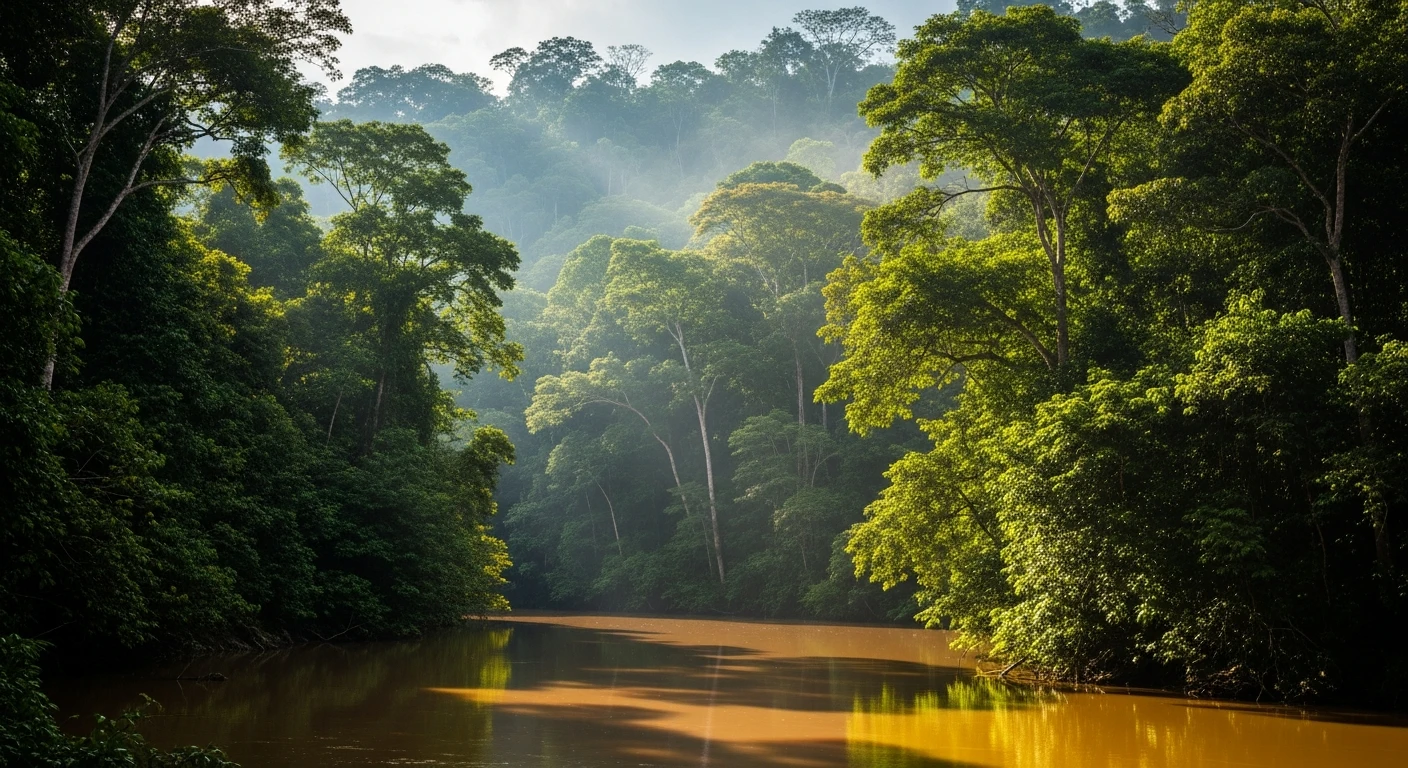
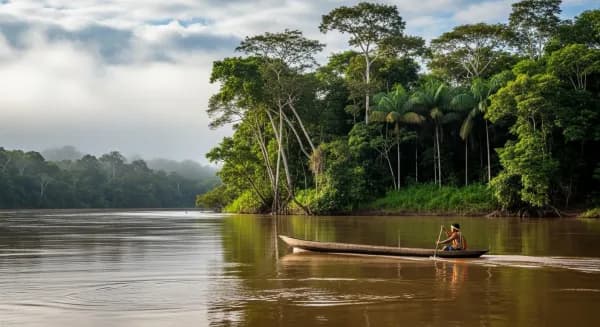
The Amazon Jungle, often referred to as the lungs of the Earth, spans across several countries, but its heart lies in Peru. This breathtaking expanse of biodiversity is home to countless species of flora and fauna, many of which are found nowhere else on the planet. The history of the Amazon is as rich as its landscape. Ancient civilizations, such as the Inca, thrived along its banks, utilizing the river for trade and sustenance. The vibrant tapestry of life here is intertwined with indigenous cultures that have lived in harmony with nature for centuries.
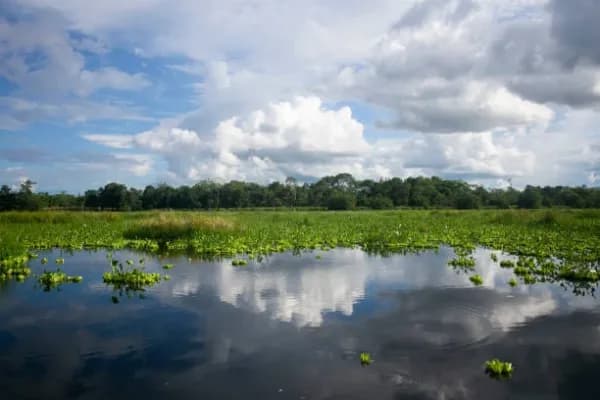
Geographically, the Amazon River flows through Peru, creating an intricate network of waterways, rainforests, and wetlands. The jungle is characterized by its dense canopy, towering trees, and vibrant wildlife that includes everything from sloths to pink river dolphins. The atmosphere is thick with humidity and the sounds of chirping insects and chattering monkeys, creating an immersive experience for visitors.
The vibe of the Amazon Jungle in Peru is one of both adventure and tranquility. Here, you can trek through lush trails, explore hidden lagoons, and engage with local communities who preserve their traditions in this remote paradise. Whether you are seeking adrenaline or serenity, the Amazon offers a unique atmosphere that captivates every traveler who steps foot into this verdant wilderness.
When it comes to accommodation in the Amazon Jungle of Peru, options range from luxurious eco-lodges to budget-friendly hostels. For those looking to indulge, luxury lodges like Inkaterra Reserva Amazonica and Posada Amazonas provide unparalleled comfort with stunning views of the rainforest. These lodges often include guided tours, gourmet meals, and opportunities for cultural immersion, allowing guests to fully appreciate the magic of the jungle.
On the other end of the spectrum, budget travelers can find affordable hostels and community-run lodges in towns like Puerto Maldonado and Iquitos. These options provide a more rustic experience, often featuring shared facilities but an authentic connection to local life. Staying in these budget accommodations allows you to engage more directly with the indigenous cultures that call the Amazon home, making your experience all the more memorable.
Getting around the Amazon Jungle in Peru can be an adventure in itself. The primary mode of transportation is by boat, as many areas are only accessible via waterways. Local boat services operate along the rivers, connecting small communities and providing a scenic way to travel. Additionally, mototaxis are popular in towns like Iquitos and Puerto Maldonado, offering a quick and affordable means to navigate the streets.
For those looking to explore deeper into the jungle, organized tours often include transportation as part of their package, ensuring a hassle-free experience. Always be prepared for delays, as the jungle is unpredictable and travel times can vary greatly depending on weather conditions.
The Amazon Jungle is not just about the rainforest; it’s also about the hidden gems that lie within. One such excursion is a visit to the Tambopata National Reserve, where lush landscapes and diverse wildlife are abundant. Guided tours here often include nighttime excursions to observe nocturnal creatures.
Another hidden gem is Lake Sandoval, a serene oxbow lake where visitors can paddle canoes and spot caimans and giant river otters. Birdwatching is also a popular activity here, as the lake is home to numerous species, including the majestic hoatzin. Excursions to local indigenous communities, such as the Ese Eja, offer insights into traditional crafts and practices, enriching your visit with cultural context.
The best time to visit the Amazon Jungle in Peru largely depends on what you wish to experience. The dry season, from May to October, is often favored by travelers as the weather is milder, making it easier to navigate trails and waterways. During this time, wildlife is more active, and the chances of spotting animals increase.
Conversely, the rainy season, from November to April, brings lush landscapes and vibrant ecosystems. While rain can lead to muddy trails, it also means fewer tourists and a more solitary experience in nature. Each season offers its own unique beauty, so choosing the right time depends on your travel preferences.
The Amazon Jungle experiences a tropical climate, characterized by high humidity and temperatures averaging between 75°F to 90°F (24°C to 32°C) year-round. Here’s a month-by-month breakdown:
January to March: Hot and humid, with frequent rainfall. Expect lush greenery but prepare for muddy trails.
April: Transition month with decreasing rainfall; a good time for wildlife spotting.
May to August: Dry season, cooler temperatures, and less humidity. Ideal for hiking and boat tours.
September to October: Start of the rainy season; still good for travel but with occasional downpours.
The culture of the Amazon Jungle in Peru is as vibrant as its flora and fauna. Indigenous communities, including the Asháninka and Shipibo, maintain rich traditions, languages, and customs that have been passed down through generations. Festivals play a significant role in cultural expression, with celebrations often featuring traditional music, dance, and elaborate costumes.
Visitors are encouraged to respect local customs: greetings typically involve a handshake, and showing appreciation for indigenous crafts is highly regarded. Participating in a traditional ceremony or learning a craft can offer deeper insights into the culture, making your visit profoundly enriching.
The culinary scene in the Amazon Jungle is a delightful fusion of indigenous ingredients and flavors. Must-try dishes include juanes, a traditional dish made of rice, meat, and spices wrapped in banana leaves, and patarashca, grilled fish marinated in a variety of herbs and spices.
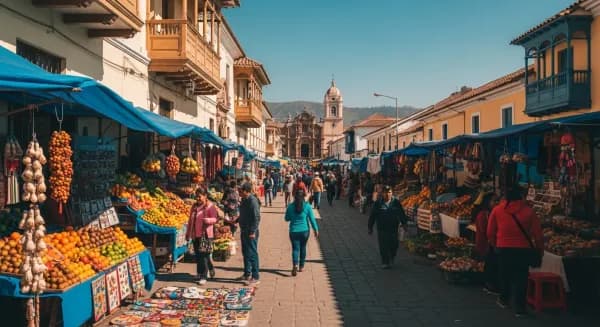
Culinary history here is deeply rooted in the use of local ingredients such as yucca, plantains, and a range of exotic fruits. Exploring local markets is highly recommended, as this is where you can engage with vendors and sample authentic Amazonian fare. Don't miss trying aguaje, a fruit known for its health benefits, and chicha, a traditional fermented beverage made from corn.
1. **Tambopata National Reserve**: A vast protected area known for its incredible biodiversity, it’s a must-visit for nature lovers. Take guided tours to experience the varied ecosystems and spot wildlife like macaws and monkeys.
2. **Lake Sandoval**: This serene lake is perfect for canoeing and wildlife watching. The tranquil waters and surrounding rainforest make it a photographer's dream.
3. **Iquitos**: The largest city in the Amazon, Iquitos is a hub of culture and commerce. Explore its markets, like Belén Market, and take a steamboat ride along the Amazon River.
4. **Pucallpa**: A gateway to the Amazon, this city offers access to beautiful lagoons and indigenous communities. Its unique blend of cultures makes it an intriguing destination.
5. **Manu National Park**: A UNESCO World Heritage site, this park is one of the most biodiverse areas on Earth. Trekking here offers chances to see rare wildlife and pristine rainforest.
Nearby places worth adding to your itinerary.
Top stays in Amazon Jungle picked for comfort, value, and great guest reviews.