Alerta
Explore stays
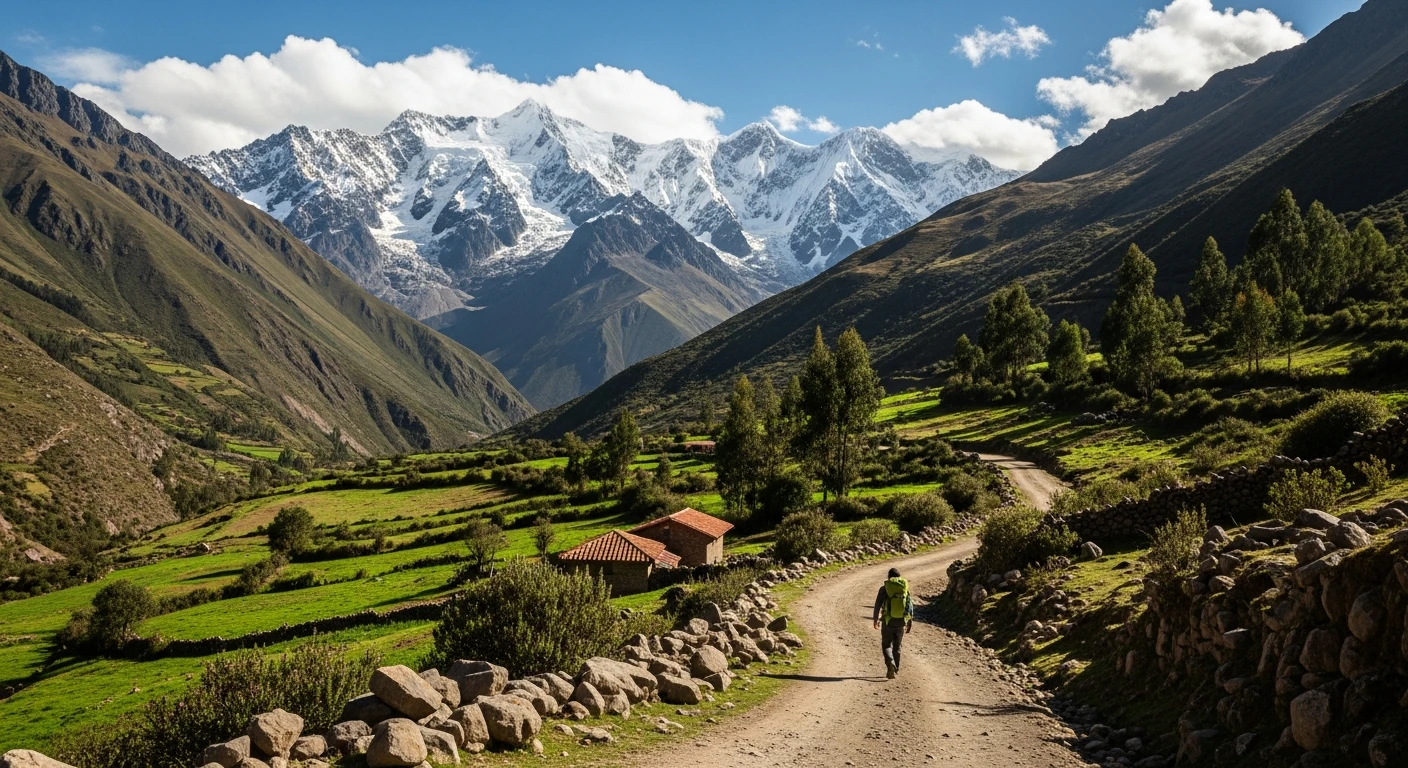
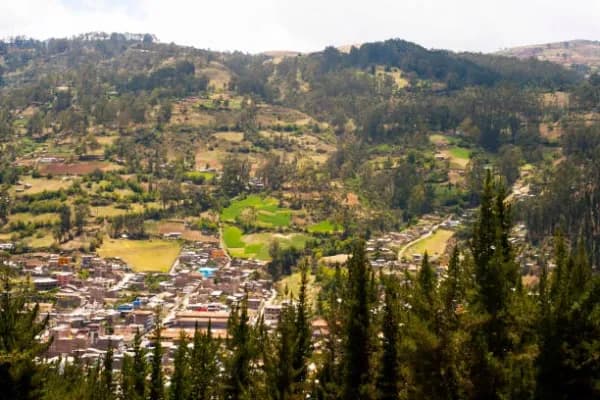
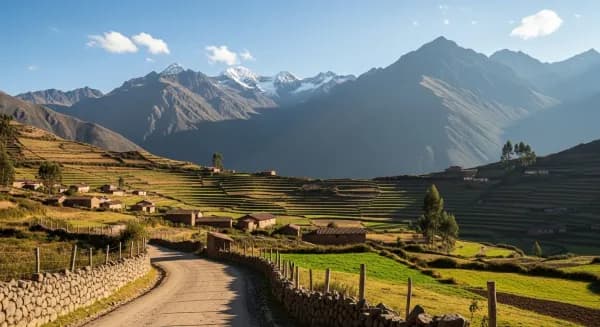
Located in the north-central part of Peru, Ancash is a region that boasts a rich tapestry of history, geography, and cultural vibrancy. The region is home to the majestic Cordillera Blanca, a section of the Andes mountain range, which includes Huascarán, the highest peak in Peru. The geography is diverse, ranging from arid coastal areas to lush highlands, making it a haven for nature lovers and adventure seekers alike.
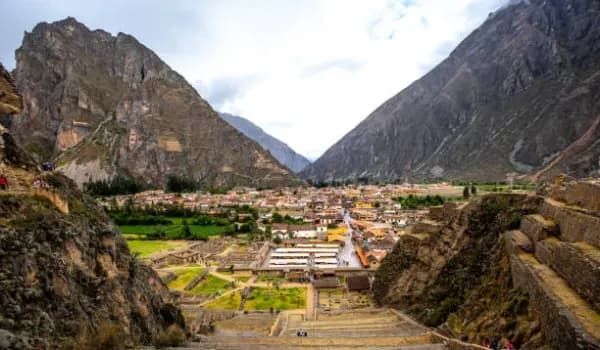
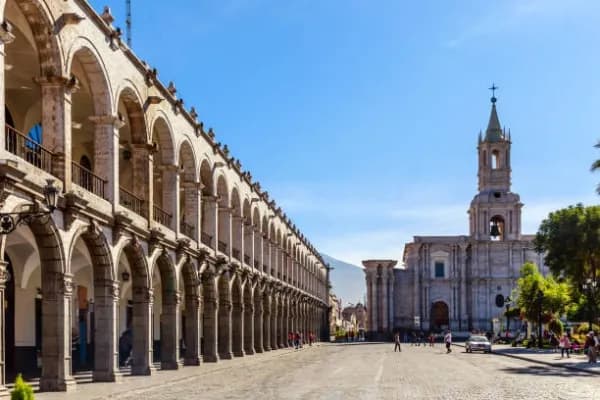
The history of Ancash is deeply rooted in the pre-Columbian civilizations that once thrived here, such as the Chavín and Recuay cultures. The Chavín de Huántar, a UNESCO World Heritage site, is a testament to the region's ancient past, showcasing sophisticated stone carvings and architectural designs. The Spanish colonization added another layer to its historical narrative, evident in the colonial architecture found in cities like Huaraz.
Today, Ancash exudes a laid-back yet vibrant vibe, where traditional Andean customs blend seamlessly with modern influences. The locals, known as Ancashinos, are warm and welcoming, often eager to share stories of their heritage and daily life. The region's atmosphere is one of tranquility and adventure, offering a perfect escape from the hustle and bustle of Peru's more urban areas.
When visiting Ancash, choosing the right place to stay can greatly enhance your experience. Huaraz, the region's capital, is the most popular base for travelers. It offers a range of accommodations from luxury hotels like the Hotel Andino Club, which provides stunning views of the Cordillera Blanca, to budget-friendly hostels such as Hostel Akilpo, known for its cozy atmosphere and friendly staff.
For those seeking a more immersive experience, the town of Caraz offers charming guesthouses like La Casa de Maruja, where you can enjoy the local hospitality and delicious home-cooked meals. Alternatively, the village of Yungay, with its serene surroundings and proximity to the Llanganuco Lakes, provides a peaceful retreat with options like the Llanganuco Mountain Lodge.
Navigating Ancash like a local involves understanding the various modes of transportation available. The most common way to get around is by combis, small minibuses that connect towns and villages. These are a cost-effective and authentic way to experience local life, though they can be crowded during peak times.
Taxis are readily available in larger towns like Huaraz and are a convenient option for short distances or when traveling with luggage. For more independent exploration, renting a bicycle is a popular choice, especially for those looking to explore the scenic routes around the Cordillera Blanca. Car rentals are also available for those who prefer the comfort and flexibility of driving.
Ancash is surrounded by hidden gems waiting to be explored. One such gem is the Pastoruri Glacier, accessible via a scenic drive from Huaraz. This stunning ice formation offers a glimpse into the region's glacial landscapes and provides opportunities for hiking and photography.
The Chavín de Huántar archaeological site is another must-visit, offering insights into the ancient Chavín culture. The site features intricate stone carvings and a network of underground tunnels that reveal the advanced engineering skills of its builders.
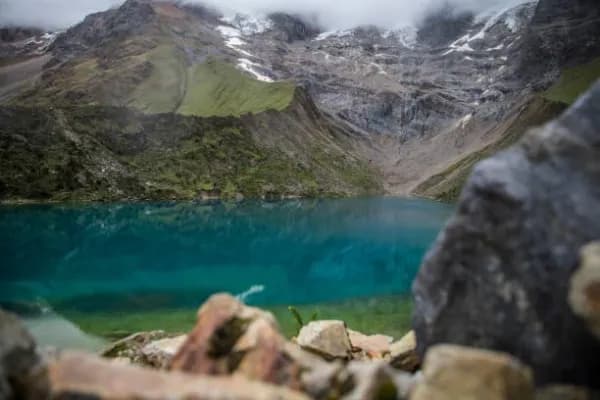
For those seeking natural beauty, the Llanganuco Lakes, with their turquoise waters set against the backdrop of snow-capped peaks, offer breathtaking views and a chance to relax in nature's embrace. The nearby town of Caraz provides access to the Santa Cruz Trek, one of the most renowned hiking routes in Peru.
The best time to visit Ancash largely depends on your interests and activities. The dry season, from May to September, is ideal for trekking and outdoor adventures, as the weather is generally clear with minimal rainfall. This period also coincides with the peak tourist season, so popular sites may be busier.
The wet season, from October to April, sees fewer tourists and lower prices. While rain can be frequent, it often occurs in short bursts, leaving plenty of time for exploration. This season is perfect for those looking to experience the lush landscapes and vibrant greenery that the rains bring to the region.
The weather in Ancash varies significantly depending on the month and altitude. January through March are the wettest months, with heavy rains that can affect travel plans. However, these months also bring the most vibrant scenery, with blooming flora and flowing rivers.
April marks the transition to the dry season, with gradually decreasing rainfall. From May to September, the weather is typically dry and sunny, making it the best time for outdoor activities. October and November see the return of occasional showers, but the temperatures remain mild, providing comfortable conditions for exploration.
The culture of Ancash is a rich blend of indigenous traditions and Spanish influences. The region is known for its vibrant festivals, such as the Fiesta de la Virgen de la Asunción in Huaraz, where locals celebrate with music, dance, and colorful costumes. The Inti Raymi, or Festival of the Sun, is another significant event, reflecting the ancient Inca traditions that continue to influence the region.
Ancashinos are proud of their heritage and often express it through music, dance, and art. The traditional music of the region, characterized by the use of instruments like the charango and quena, is a testament to the enduring cultural legacy of the Andean people.
When visiting, it's important to respect local customs and etiquette. Greetings are typically warm and friendly, with a handshake or a kiss on the cheek. When entering homes or sacred places, removing your hat is a sign of respect.
Ancash offers a delightful culinary experience with dishes that reflect its diverse geography and cultural influences. One must-try dish is Cuy, or guinea pig, which is often roasted and served with potatoes and corn. This traditional dish holds cultural significance and is a staple at festivals and family gatherings.
Pachamanca, a traditional Andean dish, involves cooking meat and vegetables underground with heated stones, infusing the food with rich, earthy flavors. Another popular dish is Trucha Frita, fried trout sourced from the region's pristine rivers, served with rice and salad.
The region's culinary history is deeply intertwined with its indigenous roots, with many dishes incorporating native ingredients like quinoa, potatoes, and corn.
Ancash is home to numerous attractions that showcase its natural beauty and cultural heritage. The Huascarán National Park is a UNESCO World Heritage site that offers stunning landscapes, diverse flora and fauna, and opportunities for trekking and mountaineering. The park is a sanctuary for nature enthusiasts and adventure seekers alike.
The Chavín de Huántar archaeological site is another highlight, providing a glimpse into the ancient Chavín civilization. Visitors can explore the impressive stone structures and intricate carvings that reveal the advanced engineering and artistic skills of this pre-Inca culture.
The Llanganuco Lakes, with their crystal-clear waters and breathtaking mountain views, are a must-visit for anyone seeking natural beauty and tranquility. The nearby Santa Cruz Trek offers one of the most rewarding hiking experiences in Peru, with diverse landscapes and stunning vistas.
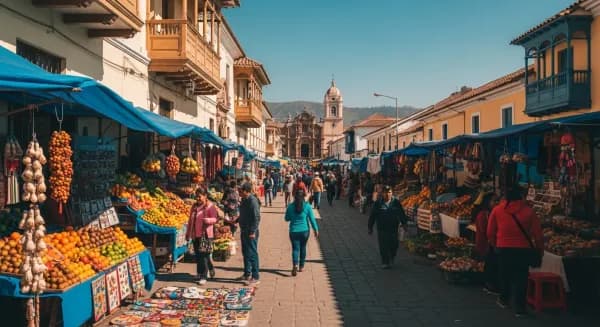
For a taste of local life, the city of Huaraz provides a vibrant atmosphere with its bustling markets, lively festivals, and welcoming locals. The city's Museo Regional de Ancash offers insights into the region's history and culture, with exhibits showcasing artifacts from various pre-Columbian civilizations.
Nearby places worth adding to your itinerary.
Top stays in Ancash picked for comfort, value, and great guest reviews.