Abancay
Explore stays
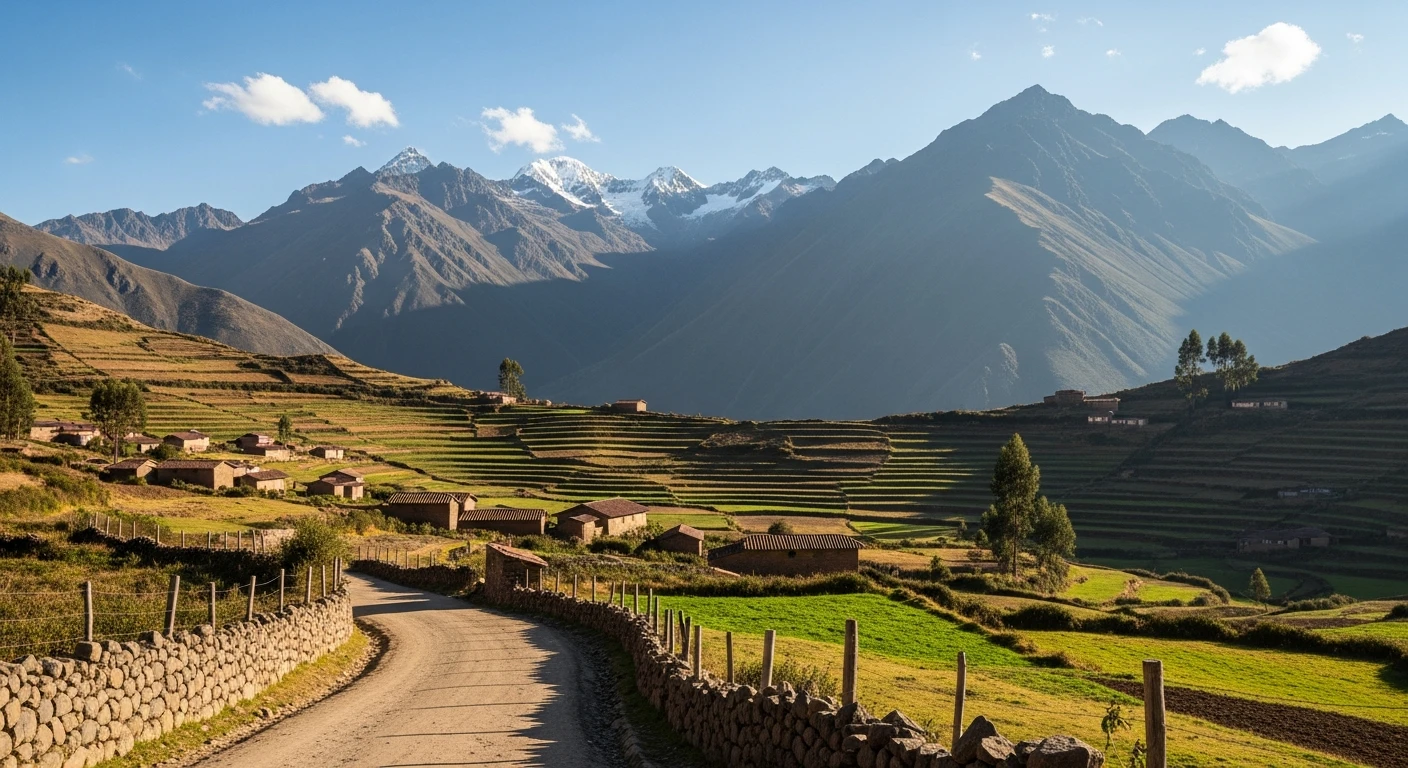
Nestled in the Andes of southern Peru, Apurímac is a region rich in history, culture, and natural beauty. The name "Apurímac" is derived from the Quechua language, meaning "the God who speaks," a nod to the region's indigenous heritage and its powerful Apurímac River, which carves through the landscape. This area is steeped in ancient history, with influences from the Inca civilization still evident in its archaeological sites and traditional practices.
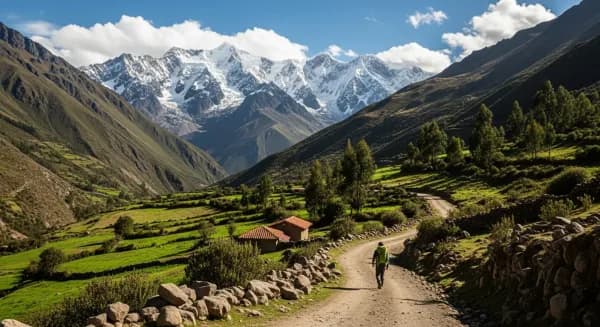
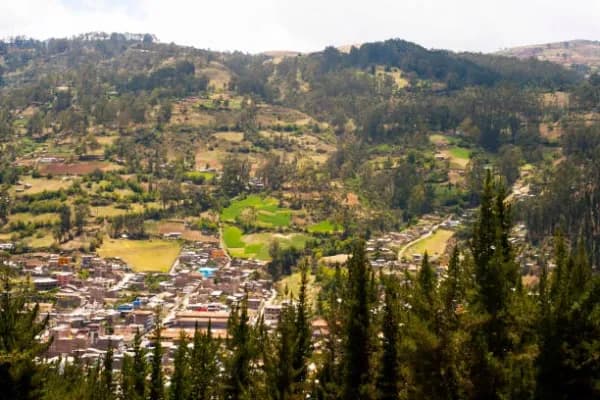
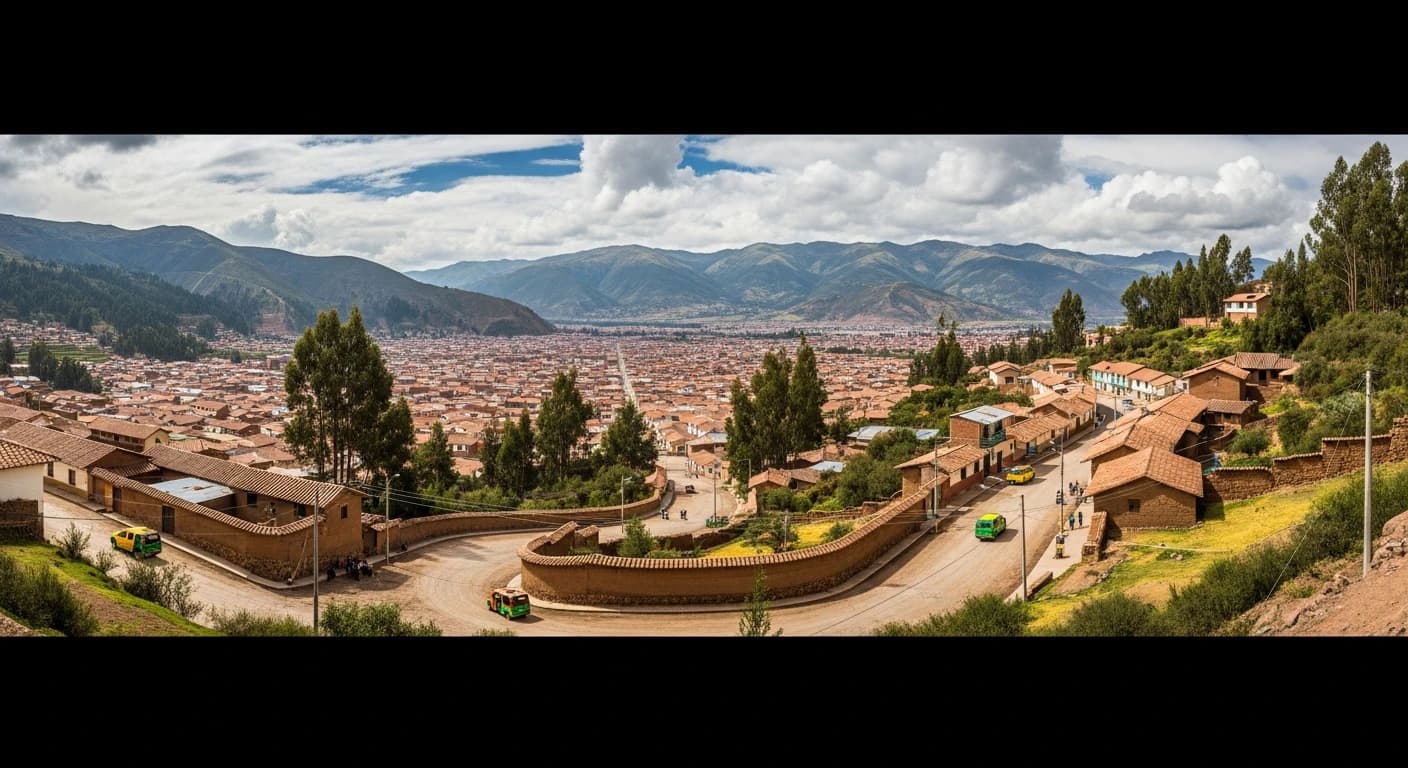
Geographically, Apurímac is characterized by its rugged terrain, dramatic valleys, and towering peaks. The region's diverse landscapes range from high-altitude grasslands to lush river valleys, offering a stunning backdrop for exploration. The capital city, Abancay, is a bustling hub that combines modern amenities with traditional charm, serving as a gateway to the region's natural wonders.
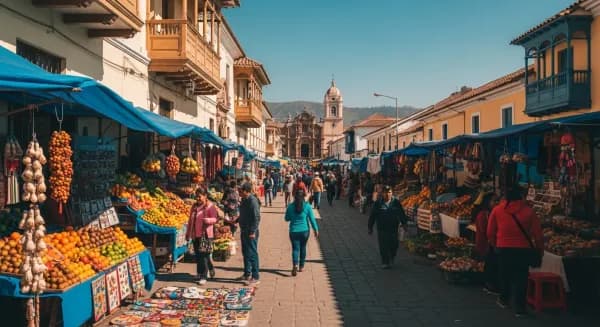
The vibe in Apurímac is one of authenticity and warmth. Visitors are welcomed with open arms by the local Quechua-speaking communities, who are eager to share their customs and way of life. The region's rich cultural tapestry is woven with vibrant festivals, colorful markets, and age-old traditions that provide a glimpse into the heart of Peruvian culture.
When it comes to accommodations, Apurímac offers a range of options to suit different budgets and preferences. For those seeking luxury, the city of Abancay boasts several high-end hotels that offer modern amenities and stunning views of the surrounding mountains. These establishments often feature traditional Peruvian architecture and decor, providing a sense of place and history.
For budget travelers, there are numerous hostels and guesthouses throughout the region. These accommodations are often family-run, offering a more intimate and authentic experience. Staying in a local guesthouse can provide a unique opportunity to learn about daily life in Apurímac and engage with the local community.
For a truly immersive experience, consider staying in a rural lodge or eco-friendly accommodation in the countryside. These options often focus on sustainability and offer activities such as hiking, bird watching, and cultural workshops.
Navigating Apurímac like a local is an adventure in itself. The region's terrain can make travel challenging, but it also adds to the sense of exploration. Buses are the most common form of public transportation, connecting major towns and cities. These buses are affordable and offer a chance to interact with locals during the journey.
For more flexibility, consider hiring a private car or taxi, especially if you plan to explore remote areas. Many drivers are knowledgeable about the region and can offer insights into local attractions and culture.
For the adventurous, renting a bicycle is a great way to explore the scenic landscapes at your own pace. However, be prepared for steep and winding roads, especially in the mountainous areas.
Apurímac is a treasure trove of hidden gems waiting to be discovered. One of the most breathtaking excursions is a visit to the Apurímac River Canyon, one of the deepest canyons in the world. The canyon offers opportunities for white-water rafting and hiking, with trails that provide panoramic views of the dramatic landscape.
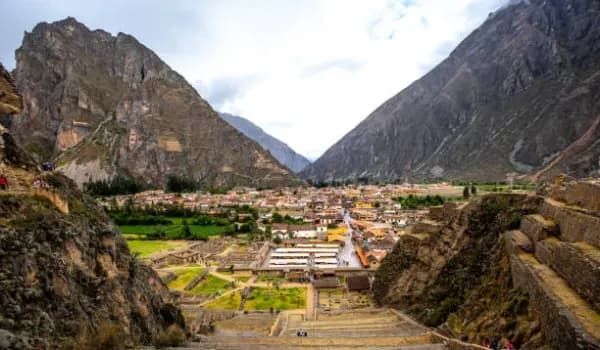
Another must-see is the Saywite Archaeological Complex, a fascinating site featuring a massive stone monolith carved with intricate designs believed to be a representation of the Inca world. This site offers a glimpse into the engineering prowess and spiritual beliefs of the ancient civilization.
For nature lovers, the Ampay National Sanctuary is a haven of biodiversity. This protected area is home to rare plant species and diverse wildlife, making it a perfect spot for hiking and birdwatching.
The best time to visit Apurímac depends on your interests and the type of activities you wish to pursue. The dry season, from May to September, is ideal for trekking and outdoor activities, as the weather is generally clear and mild. This period is also perfect for exploring archaeological sites and enjoying the stunning landscapes.
The wet season, from October to April, brings lush greenery and fewer tourists, offering a more tranquil experience. However, some areas may be less accessible due to rainfall, so it's important to plan accordingly.
Apurímac's weather varies significantly throughout the year, influenced by its diverse geography. January and February are the wettest months, with heavy rains that can affect travel plans. March sees a gradual decrease in rainfall, leading into April, when the weather begins to clear.
From May to September, the region experiences its dry season, characterized by sunny days and cooler nights. These months are ideal for outdoor activities and exploring the region's natural beauty.
October and November mark the transition to the wet season, with increasing rainfall and warmer temperatures, while December brings the onset of the rainy season.
Apurímac is a cultural mosaic, where ancient traditions and modern influences coexist harmoniously. The region is home to the Quechua people, who maintain their language and customs with pride. Visitors will find a rich tapestry of folklore, music, and dance that reflects the area's vibrant cultural heritage.
One of the most significant festivals is the Señor de los Milagros, celebrated in October. This religious event features colorful processions, traditional music, and dance, drawing visitors from across Peru.
Etiquette in Apurímac is rooted in respect and hospitality. When visiting local communities, it's important to greet people warmly and show appreciation for their customs. Learning a few basic phrases in Quechua can also go a long way in building rapport with locals.
The culinary scene in Apurímac is a reflection of its diverse culture and geography. Traditional dishes are hearty and flavorful, often featuring locally sourced ingredients. A must-try is "pachamanca," a traditional Andean dish cooked underground with hot stones, featuring a variety of meats, potatoes, and herbs.
Another local favorite is "chupe de camarones," a rich shrimp soup that showcases the region's fresh produce and culinary expertise. For those with a sweet tooth, "mazamorra morada," a purple corn pudding, is a delicious treat that highlights Peru's indigenous ingredients.
Apurímac is home to a wealth of attractions that offer a deep dive into the region's history and natural beauty. The top landmark is the Choquequirao Archaeological Park, often referred to as the "sister city" of Machu Picchu. This remote Inca site offers a glimpse into the past, with its impressive terraces and structures nestled in the cloud forest.
Another highlight is the Sondor Archaeological Complex, an ancient site believed to have been a ceremonial center. The complex features a series of terraces and platforms, offering stunning views of the surrounding landscape.
The Sayhuite Monolith, a mysterious stone carving believed to represent a topographical map, is another must-visit. This intriguing site offers insight into the Inca's understanding of geography and engineering.
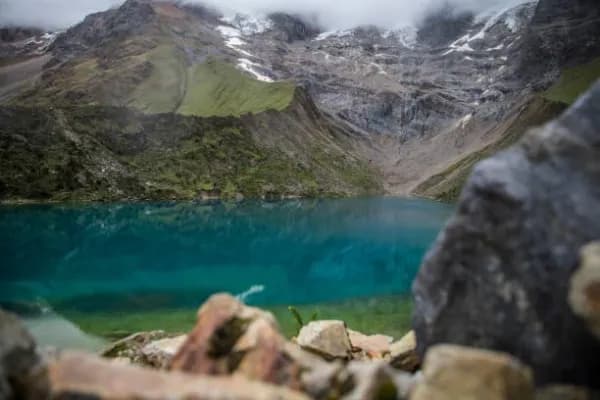
The Pacucha Lagoon, a serene body of water surrounded by mountains, is perfect for a relaxing day trip. Visitors can enjoy boating, fishing, or simply soaking in the tranquil atmosphere.
Finally, the Ampay National Sanctuary offers a chance to explore the region's natural wonders, with its diverse flora and fauna providing a haven for nature enthusiasts.
Nearby places worth adding to your itinerary.
Top stays in Apurímac picked for comfort, value, and great guest reviews.