Hyllinge
Explore stays
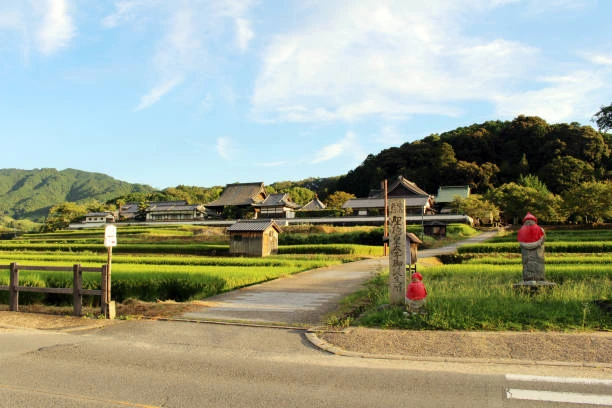
Asuka, a charming village nestled in the heart of Nara Prefecture, boasts an illustrious history that dates back to Japan's early imperial era. Known as the first capital of Japan, Asuka was the epicenter of political and cultural development during the 6th and 7th centuries. The region is dotted with ancient tombs, shrines, and temples, serving as a testament to its rich cultural heritage. The name 'Asuka' is derived from the Asuka River that flows through the area, contributing to its picturesque landscapes.
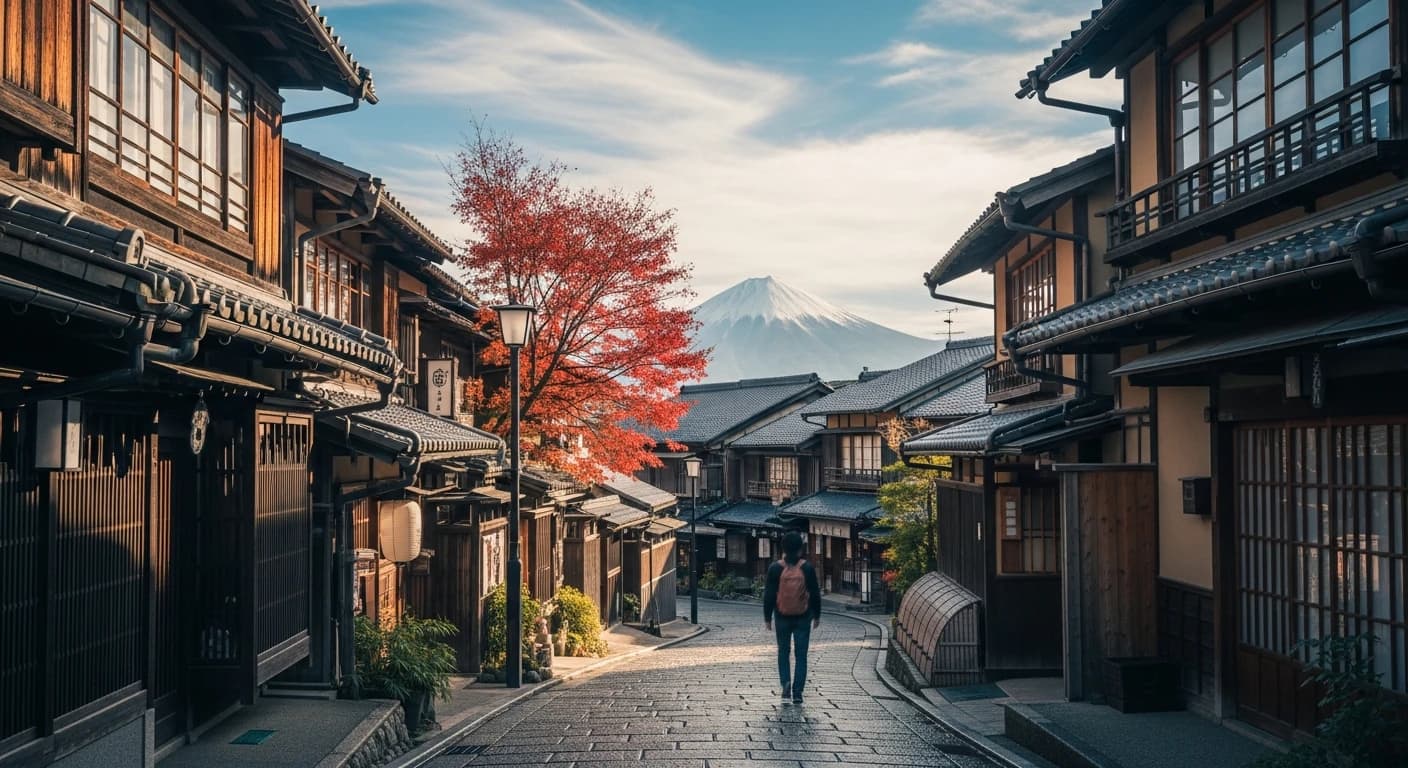
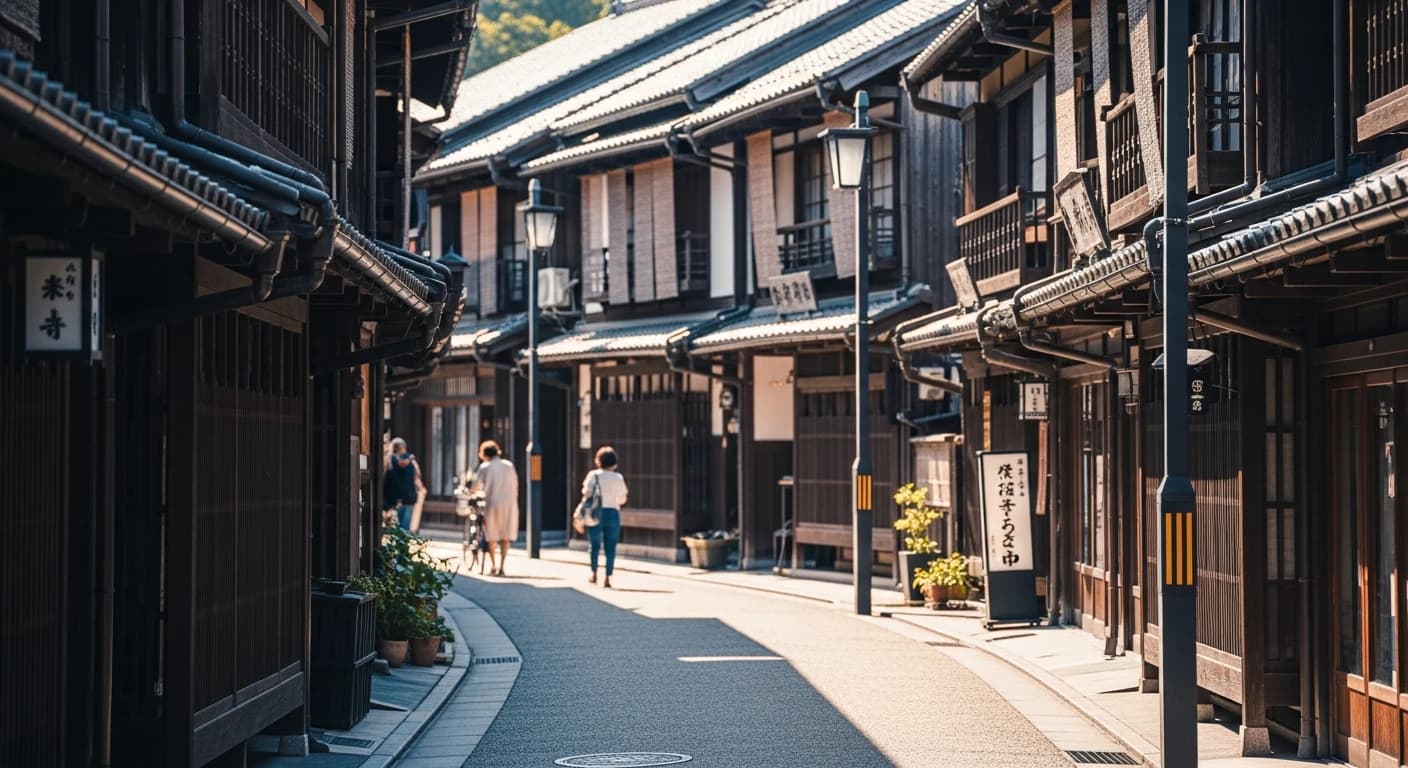
Geographically, Asuka is surrounded by lush mountains and rice fields, creating a serene atmosphere that feels a world away from the hustle and bustle of modern life. The village has retained its traditional Japanese charm, featuring wooden houses and narrow, winding roads that invite exploration. The vibe here is tranquil, with the sounds of nature and local wildlife creating a soothing backdrop.
Asuka is also known for its seasonal beauty, with cherry blossoms in spring and vibrant autumn leaves painting the landscape in a myriad of colors. This village is not just a place of historical importance; it represents the essence of Japanese heritage, showcasing a way of life that continues to thrive amid modernization. Visitors to Asuka can expect to immerse themselves in a unique blend of history, culture, and natural beauty, making it a must-visit destination in Nara.
When it comes to accommodation in Asuka, visitors have a range of options that cater to various preferences and budgets. For those seeking luxury, there are a few high-end ryokans that provide an authentic Japanese experience, complete with tatami mat rooms, traditional kaiseki meals, and onsen (hot spring baths). One standout is the Asuka no Yado, which offers stunning views of the surrounding mountains and personalized service that makes for a memorable stay.
On the budget side, Asuka has charming guesthouses and minpaku (private lodging) that allow travelers to experience local hospitality without breaking the bank. Places like Asuka Guest House and various family-run inns provide clean accommodations and a chance to interact with locals, enriching your travel experience. These options often come with shared facilities, which fosters a sense of community among guests.
Navigating Asuka and its surroundings is relatively straightforward if you embrace local transportation methods. The village is best explored on foot or by bike, allowing you to soak in the rural beauty and historical sites at your own pace. Rental bicycles are available at several locations, providing a fun and eco-friendly way to get around.
For those venturing further afield, the Kintetsu Railway offers convenient access to Nara City and other nearby attractions. Trains run frequently, making it easy to connect with the larger Nara region. Buses are also available, but be sure to check schedules as they can vary.
While Asuka itself is a treasure trove of history, there are several hidden gems nearby that are worth exploring. Just a short ride away is Mount Yoshino, renowned for its breathtaking cherry blossoms in spring. This UNESCO World Heritage site offers hiking trails that lead to stunning vistas and ancient temples.
Another nearby attraction is the Hase-dera Temple, famous for its wooden stage that overlooks the surrounding forest. It’s a peaceful spot to experience traditional Japanese architecture and spirituality. Additionally, the Asuka Historical Museum provides insight into the region’s past and is a great starting point for understanding the significance of Asuka in Japanese history.
The best time to visit Asuka largely depends on personal preferences regarding weather and seasonal activities. Spring (March to May) is particularly magical as cherry blossoms adorn the landscape. Early April is the peak bloom time, drawing flower enthusiasts from all over.
Summer (June to August) can be hot and humid, but it’s also festival season, with various local events that showcase traditional culture. Autumn (September to November) is another prime time, as the foliage turns vibrant shades of red and gold, making for breathtaking views. Winter (December to February) is quieter, offering a more introspective experience, but be prepared for colder temperatures.
Asuka experiences a humid subtropical climate, making it an ideal destination year-round, although each month brings its unique character. In January, temperatures can dip to around 0°C (32°F), so warm clothing is recommended. February remains cold, but signs of spring begin to emerge.
By March, temperatures start to rise to around 10°C (50°F), and by April, the cherry blossoms bloom, with temperatures averaging 15°C (59°F). May is pleasantly warm, ideal for outdoor activities. Summer months of June through August can see highs of 30°C (86°F) or more, accompanied by humidity and occasional rain. Autumn (September to November) brings cooler temperatures and stunning fall colors, while winter offers a serene atmosphere with occasional snowfall.
Asuka is rich in cultural heritage, hosting numerous festivals and events that celebrate its historical significance. The Asuka Festival, held every spring, features traditional music, dance, and local cuisine, drawing both locals and visitors. This festival is a great opportunity to witness the community’s dedication to preserving its cultural roots.
The people of Asuka are known for their warm hospitality and commitment to maintaining the village's traditions. Visitors are encouraged to practice local etiquette, such as bowing when greeting and expressing appreciation for meals. Learning a few basic Japanese phrases can go a long way in fostering connections with the local community.
Culinary experiences in Asuka are a delightful exploration of flavors that reflect the region's agricultural abundance. One must-try dish is Asuka Sushi, which features fresh local fish and seasonal vegetables wrapped in vinegared rice, showcasing the artistry of Japanese cuisine.
Another local specialty is Asuka Nasu, a unique eggplant variety known for its sweetness and tender texture. It’s often grilled or pickled, allowing visitors to savor the essence of the region. Don’t forget to try mochi, a traditional rice cake that can be found at local shops, particularly during festivals.
Asuka is home to several significant landmarks that reflect its historical importance and cultural richness. Here are the top five must-visit attractions:
This ancient burial mound is one of the largest in Asuka and is believed to house the remains of Emperor Sushun, who ruled in the 6th century. The tomb is set in a tranquil area surrounded by trees, offering a reflective space for visitors.
As Japan's first Buddhist temple, Asuka-dera dates back to the 6th century and features stunning architecture and beautiful gardens. The temple is known for its impressive statue of the Buddha and serves as a serene place for meditation and prayer.
Designated as a UNESCO World Heritage site, Hōryū-ji is one of the oldest wooden buildings in the world. The temple complex includes stunning pagodas and historical artifacts that provide insight into early Japanese Buddhism.
Famous for its exquisite murals, the Takamatsuzuka Tomb is adorned with vibrant paintings that depict celestial beings. This burial site offers a glimpse into the artistic achievements of the Asuka period.
This museum showcases artifacts and information about the Asuka period, including pottery, tools, and ancient manuscripts. It’s an excellent place to start your exploration of the area’s rich history.
Asuka, with its blend of history, culture, and natural beauty, stands as a testament to Japan's rich heritage. A visit to this village in Nara is not just a journey through time but an opportunity to connect with the essence of Japanese life.
Nearby places worth adding to your itinerary.
Top stays in Asuka picked for comfort, value, and great guest reviews.