Asuka
Explore stays
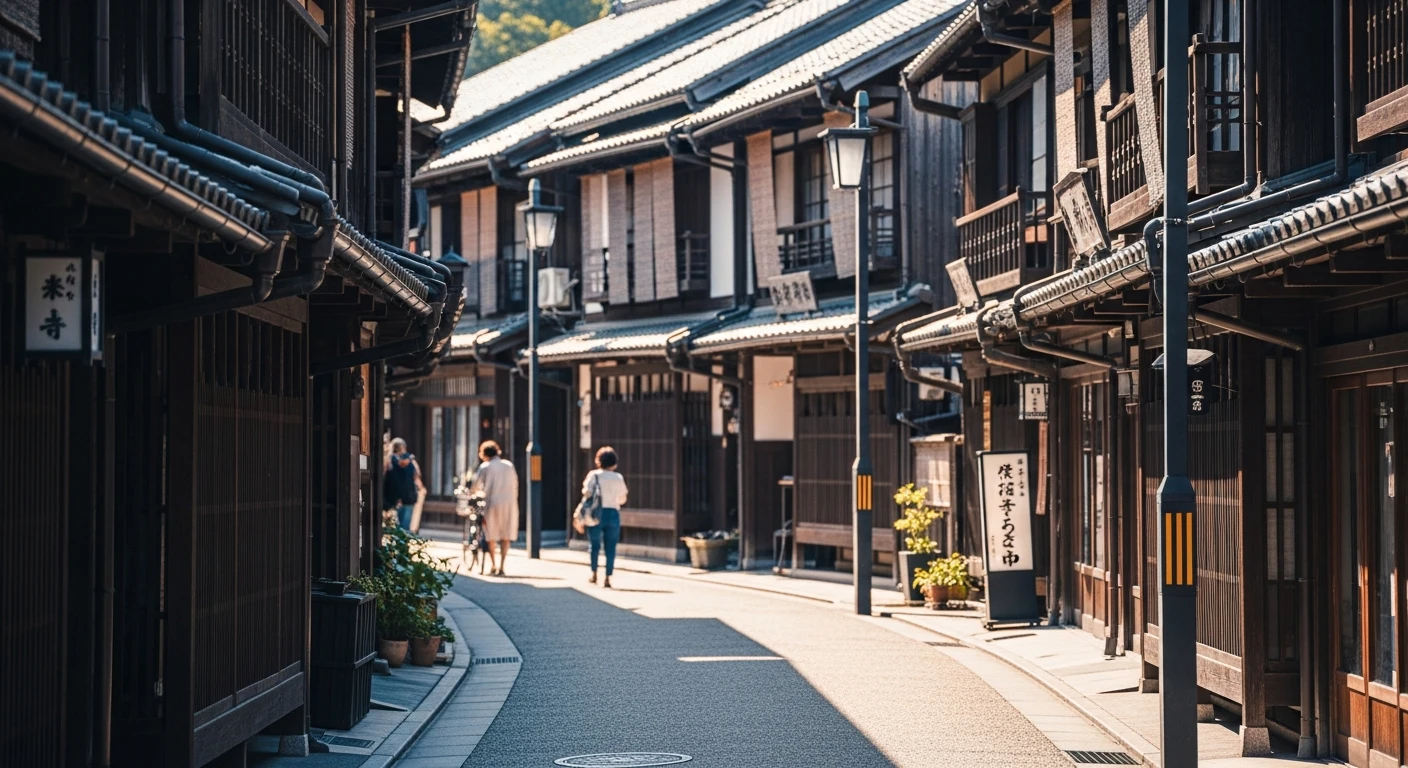
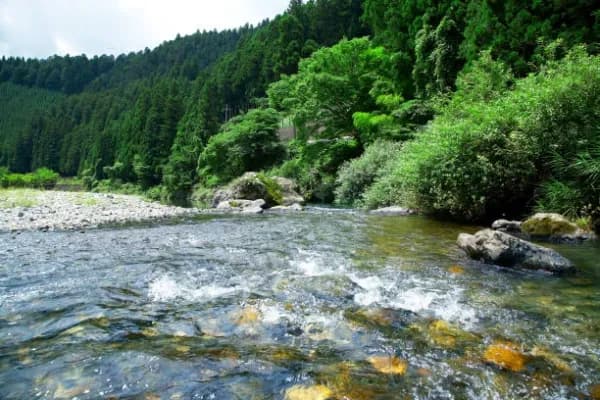
Takedamachi is a picturesque town nestled in the foothills of the Yoshino Mountains in Nara Prefecture, Japan. Rich in history, Takedamachi dates back to the Heian period (794-1185), serving as a critical hub for travelers and merchants traversing the ancient roads of Nara. The town's name, which translates to 'the town at the waterfall,' reflects its natural beauty, with the Takedagawa River flowing majestically through the region.
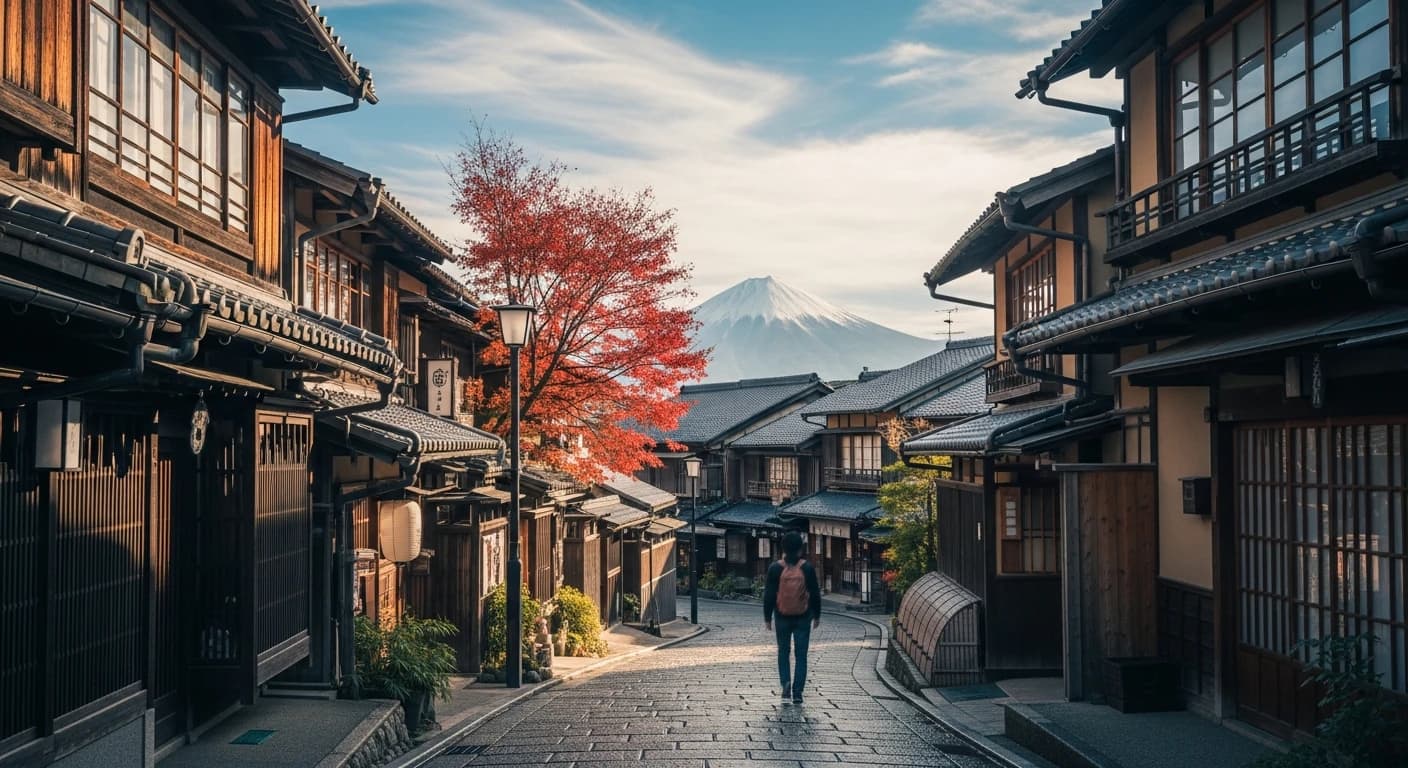
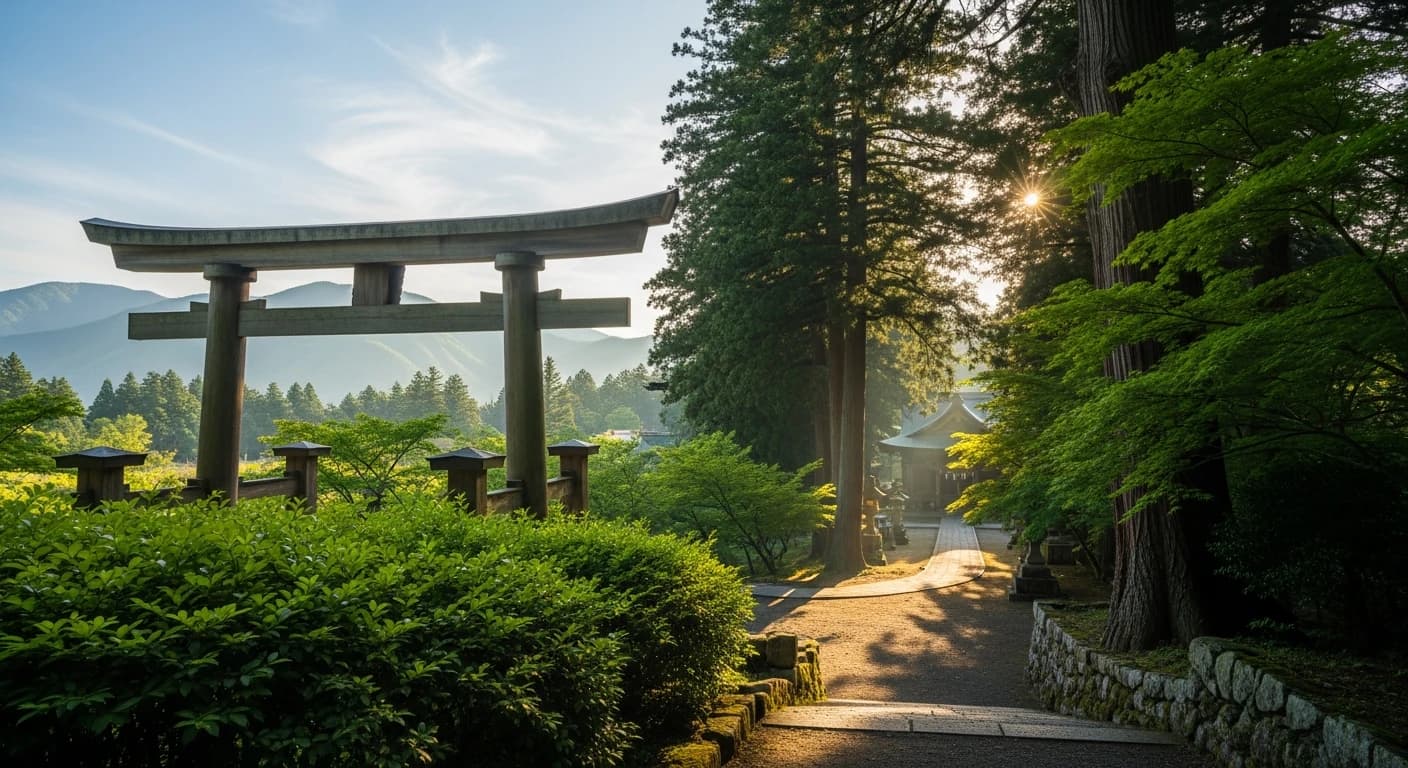
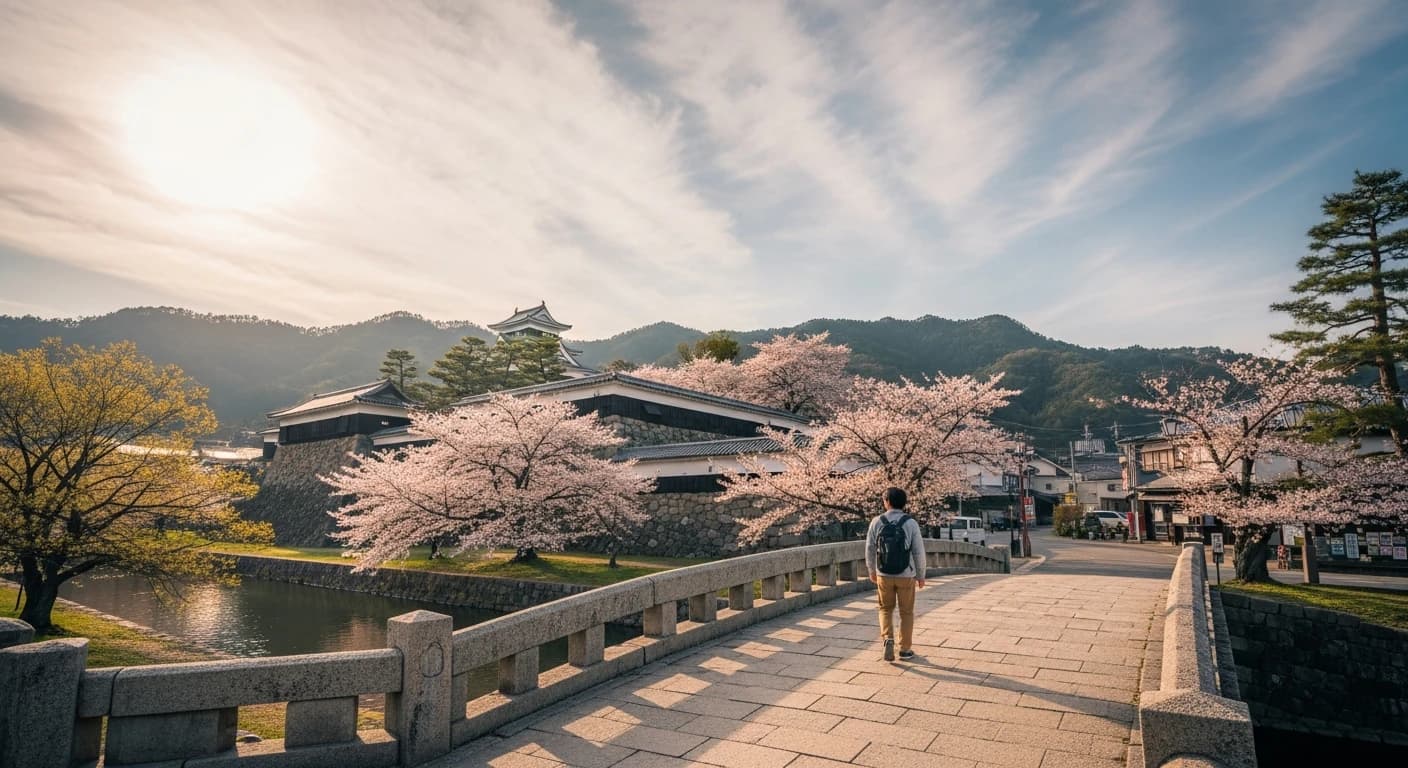
Geographically, Takedamachi is characterized by its lush landscapes, traditional wooden houses, and serene temples that echo the beauty of Nara's past. The surrounding mountains offer breathtaking views, especially during the cherry blossom season and autumn foliage, making it a hidden gem for nature lovers. The vibe of Takedamachi is tranquil and reflective, inviting visitors to slow down and immerse themselves in local traditions.
The town’s historical significance is underscored by its proximity to ancient pilgrimage routes, and its well-preserved architecture provides a glimpse into the life of bygone eras. Locals often share anecdotes about the town's past, such as the stories of the wandering monks who once visited the area seeking enlightenment. The warmth and hospitality of the residents make Takedamachi a welcoming destination for those looking to experience authentic Japanese culture.
Takedamachi, while smaller than its neighboring cities, offers a variety of accommodation options catering to different budgets. For those seeking luxury, the Ryokan (traditional Japanese inn) experience is unparalleled. Options like the Takedamachi Onsen provide not just comfortable rooms but also access to soothing hot springs, exquisite kaiseki meals, and stunning views of the surrounding mountains.
For budget travelers, guesthouses and hostels in the area provide a cozy, communal atmosphere. Places like Takedamachi Backpackers often host cultural exchange events, allowing visitors to connect with locals while keeping costs low. Staying in Takedamachi allows you to experience the essence of Nara without the hustle and bustle of larger cities like Nara City itself.
Navigating Takedamachi like a local is an experience in itself. The town is primarily pedestrian-friendly, encouraging visitors to explore on foot. Bicycles are also available for rent, offering a unique way to see the countryside. Local buses connect Takedamachi with major attractions and neighboring towns in Nara, though schedules may vary, so it's wise to check in advance. Additionally, taxis are accessible for those looking for a bit more convenience.
While Takedamachi is charming in its own right, the surrounding areas are brimming with hidden gems. A short hike leads to the Yoshino Mountain, famous for its cherry blossoms and ancient temples, making it a popular day trip. Kumano Kodo, a UNESCO World Heritage site, is also nearby and offers stunning hiking trails steeped in spiritual history.
For a unique experience, visit the Hōryū-ji Temple, one of the oldest wooden structures in the world, located just a short drive from Takedamachi. This temple is not only a significant cultural landmark but also a serene place to reflect on the beauty of Buddhist architecture.
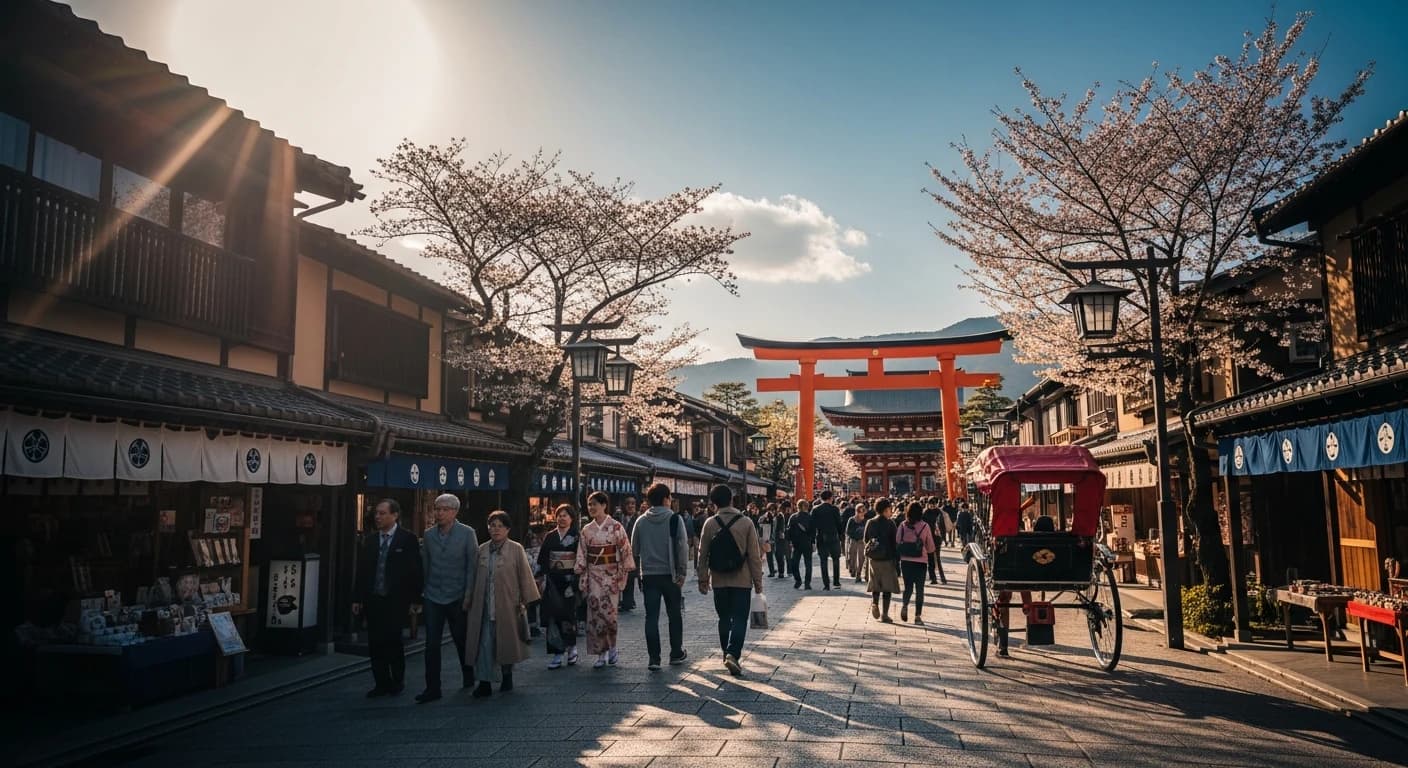
The best time to visit Takedamachi is during the spring and autumn months. In April, cherry blossoms adorn the landscape, creating a breathtaking backdrop for your explorations. Autumn, particularly in late October to early November, showcases the vibrant fall foliage, making the mountains surrounding Takedamachi a canvas of red, orange, and yellow hues.
Summer can be hot and humid, while winter brings a quiet beauty, with occasional snowfall transforming the town into a winter wonderland. However, visiting during winter means fewer crowds, allowing for a more intimate experience with the local culture.
Takedamachi experiences four distinct seasons, each bringing its own charm. January and February are cold, with temperatures often dropping to below freezing. March begins to warm up, heralding the arrival of spring.
April is when Takedamachi comes alive with cherry blossoms, while May enjoys mild temperatures and lush greenery. June is the start of the rainy season, leading into hot and humid summers, where July and August can see temperatures rising above 30°C (86°F).
September marks the transition into autumn, with October showcasing vibrant foliage. By November, temperatures cool down significantly, leading into the cold, serene winter months of December.
Takedamachi is a town deeply rooted in cultural traditions. Local festivals, such as the Takedamachi Matsuri, held in early autumn, celebrate the harvest with vibrant parades, traditional dances, and local food stalls. During this time, the community comes alive, showcasing the rich tapestry of Nara's heritage.
The people of Takedamachi are known for their hospitality, often welcoming tourists with open arms and sharing stories of their ancestors. Etiquette in Takedamachi reflects traditional Japanese customs, such as bowing when greeting and expressing gratitude through polite phrases. Understanding these cultural nuances enhances the travel experience, allowing visitors to connect more deeply with the local community.
The culinary landscape of Takedamachi is a reflection of Nara's rich agricultural heritage. Must-eat dishes include Nara Zuke, a type of pickled vegetable that has been enjoyed for centuries. The flavors are a perfect representation of the region's farming traditions.
Another local specialty is Shika Nabe, a deer meat hot pot that pays homage to the area's wildlife. The dish is often prepared with seasonal vegetables, making it not only a hearty meal but also a celebration of local produce. Sampling these dishes is essential for understanding the culinary history and culture of Nara.
1. Tōdai-ji Temple: This iconic temple houses the Great Buddha statue, a remarkable 15-meter tall figure that draws visitors from around the world. The temple itself is a UNESCO World Heritage site and a symbol of Nara's historical significance.
2. Nara Park: Famous for its free-roaming deer, Nara Park is not just a beautiful green space but also home to several temples and shrines. Visitors can interact with the deer, which are considered messengers of the gods.
3. Kasuga-taisha Shrine: This Shinto shrine is renowned for its thousands of lanterns and stunning forested surroundings. The annual lantern festival draws many visitors, illuminating the paths with a magical glow.
4. Hōryū-ji Temple: A short distance from Takedamachi, this temple is the world’s oldest wooden building, showcasing exquisite architectural details and profound historical significance.
5. Yoshiki-en Garden: This tranquil garden offers a peaceful retreat with its beautiful landscaping, including a pond and seasonal flowers. It’s an ideal spot for contemplation and enjoying the beauty of nature.
Nearby places worth adding to your itinerary.
Top stays in Takedamachi picked for comfort, value, and great guest reviews.