Asuka
Explore stays
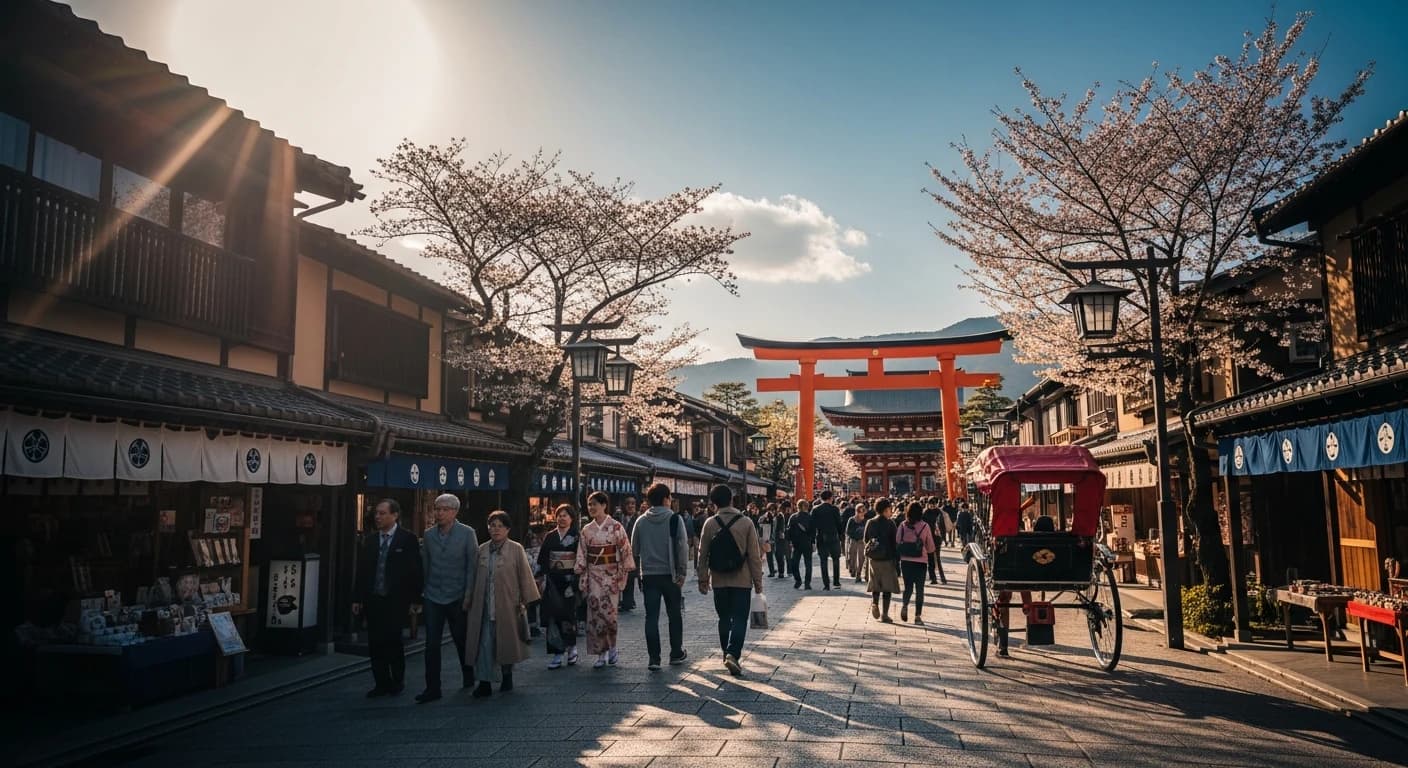
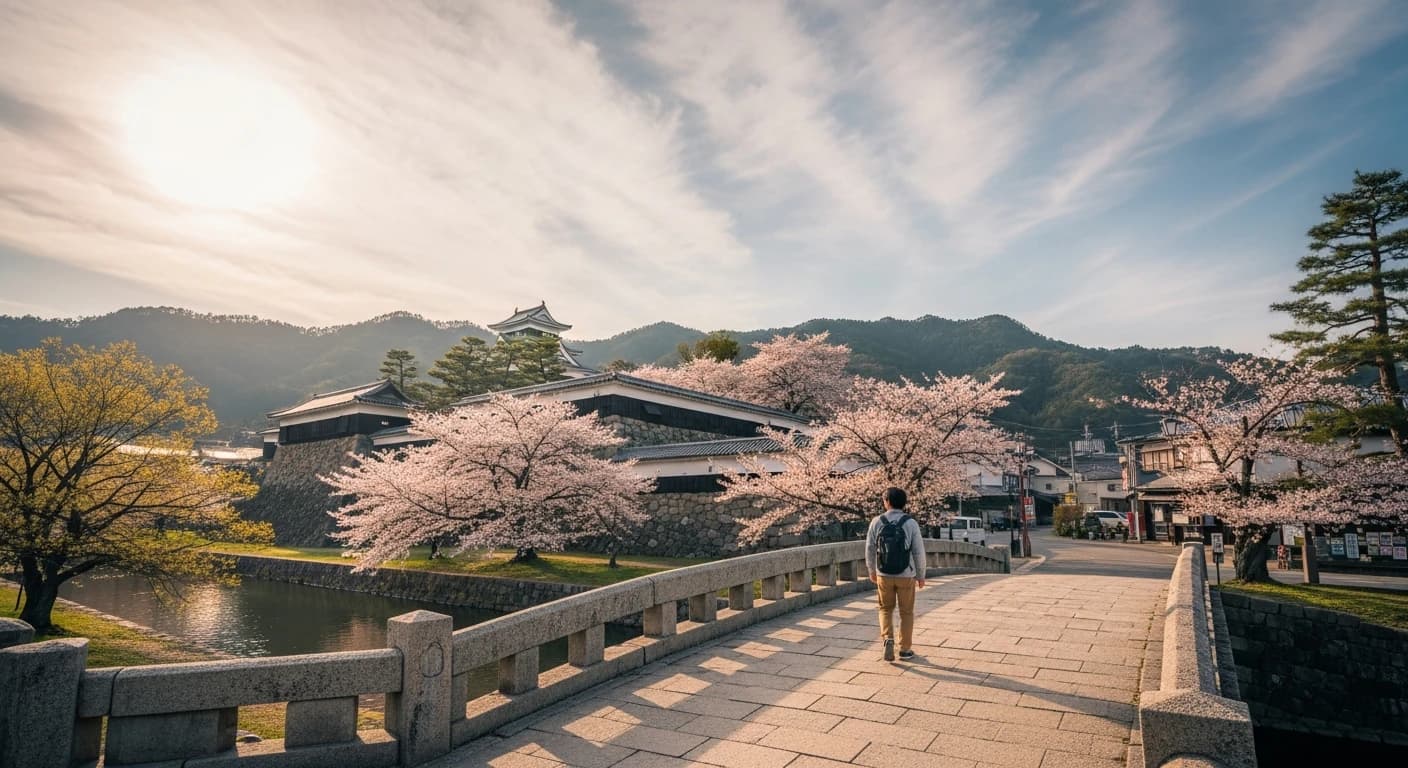
Sakurai, a charming city nestled in the Nara Prefecture of Japan, boasts a rich tapestry of history, culture, and natural beauty. This area, once a significant hub during the Asuka period (592-710 AD), is steeped in historical significance. The name 'Sakurai' translates to 'cherry blossom', reflecting the region's stunning seasonal displays that draw visitors from far and wide.
Geographically, Sakurai is surrounded by lush mountains and rolling hills, creating a picturesque backdrop for the city. The city is often overshadowed by its more famous neighbor, Nara City, but this only adds to its charm. Visitors can experience a quieter side of Japanese culture here, away from the bustling tourist hotspots. The vibe in Sakurai is a harmonious blend of traditional and modern, where ancient shrines coexist with contemporary cafes and shops.
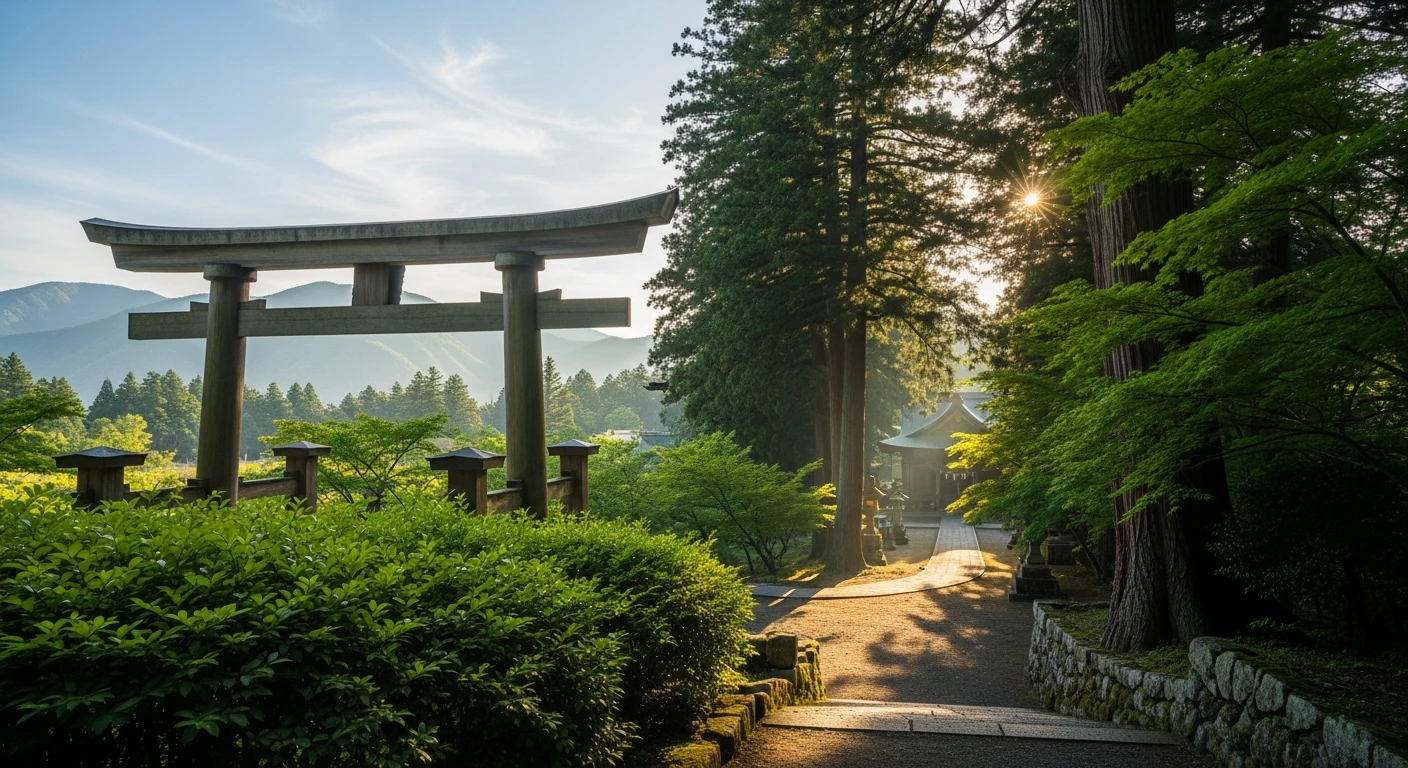
Throughout its history, Sakurai has been a focal point for Shinto practices. It is home to the renowned Omiwa Shrine, one of the oldest shrines in Japan, dedicated to the deity of sake and agriculture. This historical context enriches the travel experience, as visitors can immerse themselves in local customs and traditions that have thrived for centuries.
When it comes to accommodations in Sakurai, options vary widely to suit all budgets. For luxury travelers, there are exquisite ryokans that offer traditional Japanese experiences, complete with tatami mat rooms and kaiseki dining. One such ryokan is the Sakurai Ryokan, where guests can unwind in serene surroundings while enjoying stunning views of the nearby mountains.
For budget-conscious travelers, Sakurai offers several guesthouses and hostels that provide a cozy atmosphere without breaking the bank. The Sakurai Guest House is a popular choice, featuring dormitory-style accommodations and private rooms, all within a short distance from local attractions. Additionally, many visitors opt for Airbnb options, allowing for a more personalized experience in local neighborhoods. Overall, Sakurai's diverse lodging options make it easy for travelers to find a comfortable place to stay, whether they are seeking luxury or affordability.
Navigating Sakurai is relatively straightforward, with several local transportation options. The city is well-connected by trains, primarily via the Kintetsu and JR lines, which link it with Nara City and other destinations. The Sakurai Station serves as a central hub, making it convenient for travelers to explore the surrounding areas.
Bicycles are a popular mode of transport in Sakurai, with many rental shops available. Cycling through the city's scenic streets and along the beautiful countryside is an excellent way to experience the local atmosphere. Public buses also operate frequently, providing services to various attractions and neighborhoods. For those who prefer a leisurely pace, walking is encouraged, as many attractions are within easy reach.
Sakurai serves as an excellent base for exploring nearby hidden gems in Nara Prefecture. Just a short train ride away, the ancient capital of Nara City is a must-visit, known for its UNESCO World Heritage Sites like Todai-ji Temple and Nara Park, where friendly deer roam freely.
For a more off-the-beaten-path experience, venture to the quaint town of Asuka, famous for its historic tombs and ancient ruins. The Asuka Historical Museum provides insights into the region's fascinating past and is surrounded by beautiful landscapes. Another hidden gem is the Muro-ji Temple, located in the mountains, which offers stunning views and a peaceful atmosphere.
The best time to visit Sakurai is during the spring and autumn months. In March and April, cherry blossoms bloom, painting the city in soft pink hues, making it an ideal time for hanami (flower viewing) picnics in parks. Autumn, particularly in November, showcases vibrant foliage, transforming the mountains and temples into a breathtaking canvas of reds and golds.
Summer can be quite hot and humid, with temperatures often exceeding 30°C (86°F), while winter is cold, with occasional snowfall. However, visiting during winter offers a chance to experience the tranquil beauty of Sakurai under a blanket of snow, along with the serene ambiance of shrines and temples.
Sakurai experiences a humid subtropical climate, characterized by distinct seasons. In January, temperatures average around 3°C (37°F), making it the coldest month. Snow is rare but can occur, creating a magical winter landscape.
February sees similar conditions, with temperatures gradually rising as spring approaches. By March, the weather becomes milder, averaging around 10°C (50°F), and marks the start of cherry blossom season.
April and May are pleasantly warm, with temperatures ranging from 15°C to 25°C (59°F to 77°F), perfect for outdoor activities. The summer months of June to August can be hot and humid, with temperatures often soaring above 30°C (86°F). In September and October, temperatures begin to drop, and the fall foliage adds a stunning backdrop to the city. November is particularly beautiful, with crisp air and vibrant leaves.
Sakurai is rich in cultural heritage, hosting several festivals throughout the year that reflect the local traditions and customs. One of the most notable events is the Omiwa Shrine's annual Matsuri, which celebrates the deity of the shrine with processions, traditional music, and dance performances. This festival draws both locals and visitors, providing an authentic glimpse into the community's spiritual life.
The people of Sakurai are known for their warm hospitality and pride in their cultural identity. Etiquette is essential in this region; bowing is a common greeting, and visitors are encouraged to observe local customs, especially when visiting shrines or participating in festivals.
Another integral aspect of Sakurai's culture is its craftsmanship, particularly in sake brewing. The city’s history with sake production is celebrated through local sake tastings and tours, allowing visitors to appreciate the artistry behind this beloved beverage.
Sakurai offers a delightful culinary experience, rooted in both traditional Japanese cuisine and local specialties. One must-try dish is 'Kakinoha-zushi', a type of sushi wrapped in persimmon leaves, which reflects the region's agricultural heritage. The dish is not only delicious but also visually appealing, showcasing the vibrant colors of fresh ingredients.
Another local favorite is 'Nara-zuke', a pickled vegetable dish that represents the flavors of the region. This dish is often served alongside various meals, adding a unique zest to the dining experience. Additionally, Sakurai is known for its high-quality sake, brewed from locally grown rice and pure water from the surrounding mountains, making it a perfect accompaniment to any meal.
1. Omiwa Shrine: As one of the oldest shrines in Japan, Omiwa Shrine is dedicated to the deity of sake and agriculture. The shrine features a unique architectural style and is surrounded by sacred trees, creating a serene atmosphere. Visitors can participate in traditional rituals and enjoy the peaceful surroundings.
2. Asuka Historical Park: A short distance from Sakurai, this park houses numerous ancient burial mounds and historical sites from the Asuka period. The tranquil setting allows visitors to explore Japan's rich history while enjoying picturesque landscapes.
3. Mount Miwa: This sacred mountain is a popular hiking destination, offering stunning views of the surrounding countryside. The mountain is also home to numerous shrines and temples, enriching the spiritual experience of the hike.
4. Hase-dera Temple: Located nearby, this temple is famous for its beautiful gardens and stunning views from the hillside. The temple features a remarkable wooden Kannon statue and is a great spot for cultural exploration and photography.
5. Shin-Yakushi-ji Temple: This temple is known for its magnificent Yakushi Nyorai statue and is an excellent example of Nara's exquisite temple architecture. Visitors can admire the intricate details and learn about the temple's history, which dates back to the 8th century.
Nearby places worth adding to your itinerary.
Top stays in Sakurai picked for comfort, value, and great guest reviews.