Goheung
Explore stays
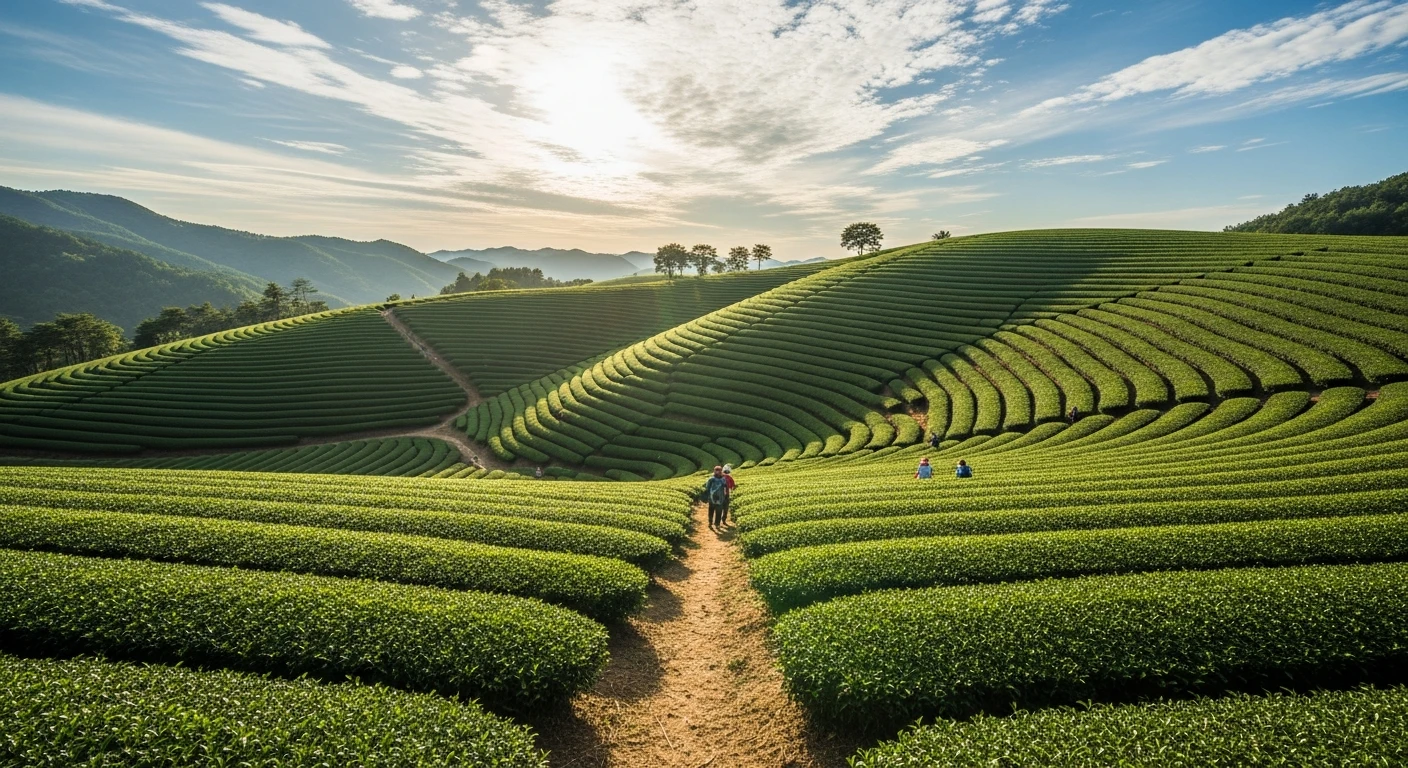
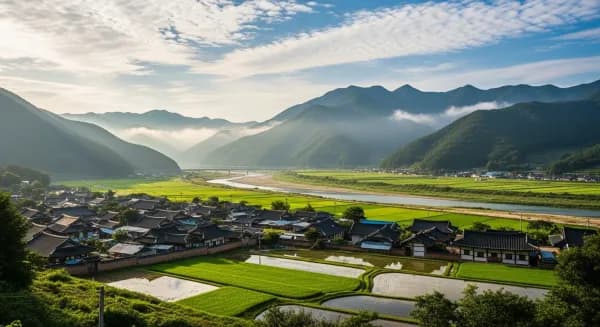
Boseong, located in the picturesque province of Jeollanam-do, South Korea, is a captivating destination that seamlessly blends natural beauty with rich historical tapestry. Known predominantly for its lush green tea plantations, Boseong offers a serene escape into the rolling hills and misty landscapes that have been cultivated for centuries. The region's affinity with tea dates back to the early 20th century, when Japanese settlers introduced the cultivation techniques that have since been perfected by local farmers.
Geographically, Boseong is nestled in the southern part of Jeollanam-do, bordered by the Yeongsan River to the north and the vast expanse of the Korean Strait to the south. This strategic location has historically made it a vital agricultural hub, with its fertile lands producing not only tea but also rice and vegetables that are integral to the local cuisine.
The vibe in Boseong is one of tranquility and timelessness. Visitors often describe a sense of stepping back into a simpler era, where the rhythms of life are dictated by the seasons and the harvest. The locals in Boseong are known for their warmth and hospitality, often inviting travelers to partake in tea ceremonies or explore the verdant fields that are the pride of Jeollanam-do.
Accommodation in Boseong caters to a wide range of preferences, from luxurious retreats to budget-friendly guesthouses. For those seeking a lavish experience, the Boseong Green Tea Resort offers upscale amenities amidst the verdant backdrop of the tea fields, providing an immersive experience into the region's most famous export.
Budget travelers and backpackers will find solace in the quaint guesthouses scattered throughout the town. Areas such as Beolgyo and Hoecheon offer charming homestays that provide a glimpse into the daily lives of the locals. These accommodations often come with the added bonus of homemade meals and the opportunity to engage with the community.
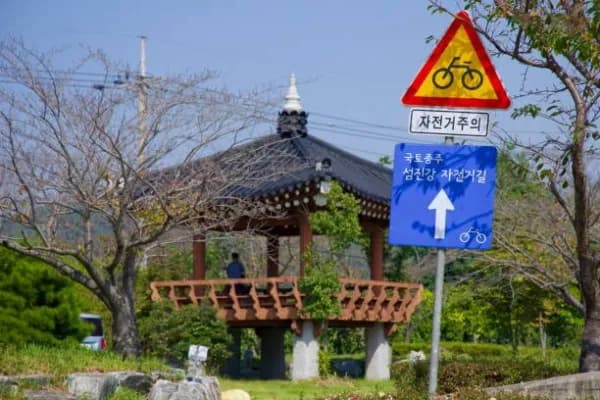
Navigating Boseong like a local is a delightful experience, thanks to its well-connected and efficient transportation system. The town itself is compact, making it easy to explore on foot or by bicycle, both of which allow for intimate encounters with the landscape.
For longer journeys, the local bus service is reliable and connects Boseong to other key locations within Jeollanam-do. Taxis are also readily available and provide a convenient option for those looking to travel at their own pace. Renting a car is another viable option for visitors wishing to explore the surrounding countryside and hidden gems at their leisure.
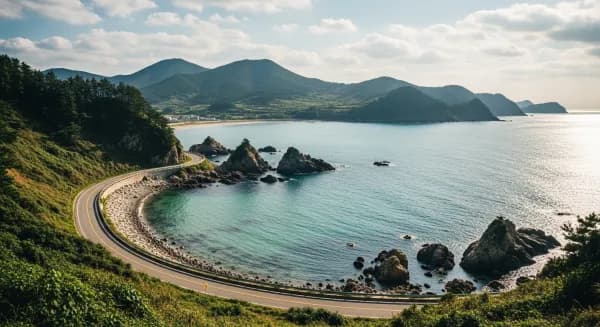
Beyond the tea fields, Boseong offers a plethora of excursions that showcase the natural beauty of Jeollanam-do. One such gem is the Yulpo Beach and Seawater Pool, a coastal retreat that offers stunning views of the Korean Strait and an opportunity to unwind in mineral-rich seawater pools.
Another hidden treasure is the Daehan Dawon Tea Plantation, where visitors can embark on guided tours that delve into the history and art of tea cultivation. For nature enthusiasts, the Boseong Green Tea Fields Observatory provides panoramic views of the undulating landscapes that are a hallmark of Jeollanam-do.
Boseong is a year-round destination, each season offering its own unique charm. However, the best time to visit is during the spring months of April to June, when the tea fields are in full bloom, painting the landscape in vibrant shades of green.
Autumn, from September to November, is another ideal time to explore Boseong, as the cooler temperatures and changing foliage create a picturesque setting. The winter months, while colder, offer a serene atmosphere, perfect for those who enjoy a quieter retreat.
The climate in Boseong is characterized by mild winters and warm, humid summers. January is the coldest month, with temperatures averaging around 2°C (36°F), while July and August are the warmest, with temperatures often reaching 30°C (86°F).
Spring and autumn are particularly pleasant, with temperatures ranging from 15°C to 25°C (59°F to 77°F), making these seasons ideal for outdoor activities and exploration. Rainfall is heaviest during the summer months, particularly in July, due to the monsoon season.
Boseong is steeped in cultural traditions that reflect the broader heritage of Jeollanam-do. The annual Boseong Green Tea Festival is a vibrant celebration of the region's most famous product, featuring tea tastings, cultural performances, and workshops on tea-making techniques.
The people of Boseong are known for their adherence to traditional customs, particularly in the realm of hospitality. Visitors are often greeted with a cup of freshly brewed green tea, a gesture that symbolizes warmth and friendship.
Etiquette in Boseong, as in much of Jeollanam-do, places a strong emphasis on respect and mindfulness. It is customary to bow when greeting others, and shoes are typically removed before entering homes or certain traditional establishments.
The culinary landscape of Boseong is a testament to the agricultural abundance of Jeollanam-do. Must-eat dishes include Nokcha Bap, a unique green tea rice that infuses the subtle flavors of tea into the staple grain, creating a harmonious blend of taste and aroma.
Seafood is also prominent in Boseong's cuisine, with dishes like Guljeon (oyster pancakes) and Hongeo-hoe (fermented skate) offering a taste of the coastal bounty. The region's food is characterized by its freshness and simplicity, with an emphasis on natural flavors and seasonal ingredients.
Boseong is home to several notable landmarks that are quintessential to any visit to Jeollanam-do. The Daehan Dawon Tea Plantation is perhaps the most iconic, with its meticulously manicured rows of tea bushes offering a visual feast for the eyes and a peaceful retreat for the soul.
The Boseong Green Tea Museum provides an in-depth look at the history and significance of tea in the region, with exhibits that detail the cultivation process and the cultural rituals associated with tea drinking. The museum also offers interactive experiences, such as tea-making workshops and tastings.
For those interested in history, the Beolgyo Market is a must-visit. This traditional market has been a staple of the community for decades, offering a glimpse into the daily lives of the people of Jeollanam-do. Here, visitors can sample local delicacies, purchase handmade crafts, and experience the vibrant atmosphere of a bustling marketplace.
Another attraction worth exploring is the Boseong Cultural Center, which hosts a variety of cultural events and exhibitions throughout the year. The center is a hub for the arts, showcasing the talents of local artists and performers and providing a platform for cultural exchange.
Nearby places worth adding to your itinerary.
Top stays in Boseong picked for comfort, value, and great guest reviews.