Boseong
Explore stays
Gwangyang-si, nestled in the picturesque province of Jeollanam-do, South Korea, is a city steeped in rich history and vibrant culture. Established in 1995 through the merger of Gwangyang and other nearby districts, its roots extend deep into the past, with archaeological findings indicating human settlements dating back to the Neolithic period. This historical backdrop plays an essential role in the city’s identity, with remnants of ancient fortresses, temples, and relics scattered throughout the area.
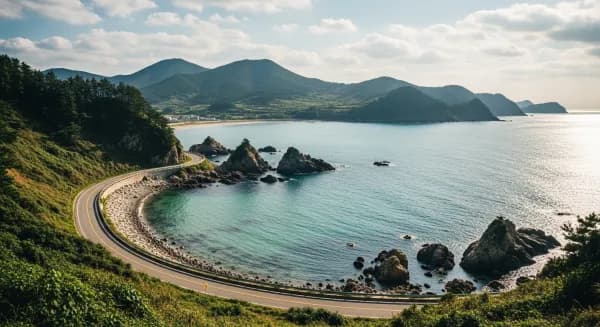
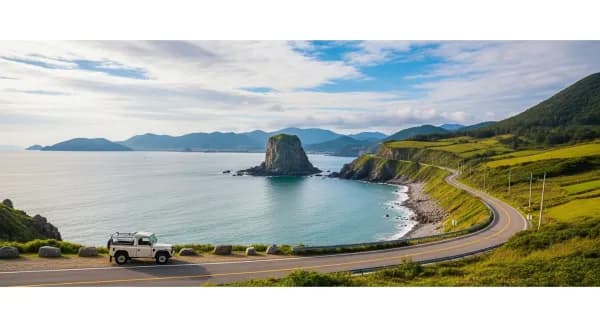
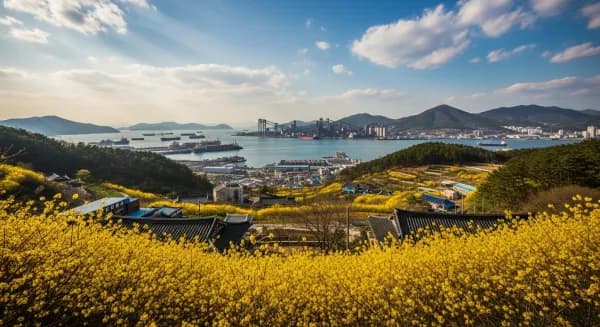
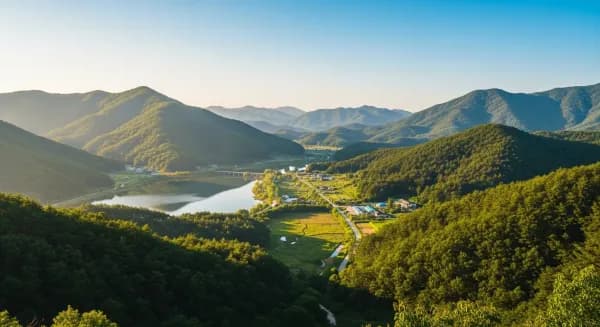
Geographically, Gwangyang is blessed with a stunning natural landscape, bordered by the scenic Yeosu Bay to the south and the majestic Jirisan Mountain to the east. This unique positioning offers residents and visitors alike breathtaking views and a variety of outdoor activities. The city is also known for its temperate climate, which contributes to its lush greenery and vibrant flower festivals. The overall vibe of Gwangyang is a harmonious blend of modernity and tradition, where bustling markets coexist with serene parks and ancient sites, creating a unique atmosphere that invites exploration.
As a hub of industry, Gwangyang is home to the largest steel mill in South Korea, operated by POSCO, which significantly contributes to the local economy while shaping the city’s landscape. Despite its industrial significance, Gwangyang retains its charm, with friendly locals who take pride in their city’s heritage and traditions. The blend of urban life with nature makes Gwangyang-si a captivating destination for those looking to experience the authentic essence of Jeollanam-do.
When visiting Gwangyang-si, you have a variety of accommodation options that cater to different budgets and preferences. The city features several districts, each offering unique experiences. For luxury travelers, the areas near the city center provide high-end hotels with modern amenities. For instance, the Gwangyang Park Hotel offers elegant rooms with stunning views of the surrounding mountains and easy access to local attractions.
For budget-conscious travelers, there are numerous guesthouses and motels scattered throughout the city. The Gwangyang Guesthouse, located near the bustling market area, provides clean and comfortable lodging at affordable rates. Staying in these local accommodations not only saves you money but also immerses you in the daily life of Gwangyang, where you can interact with residents and experience the local culture firsthand.
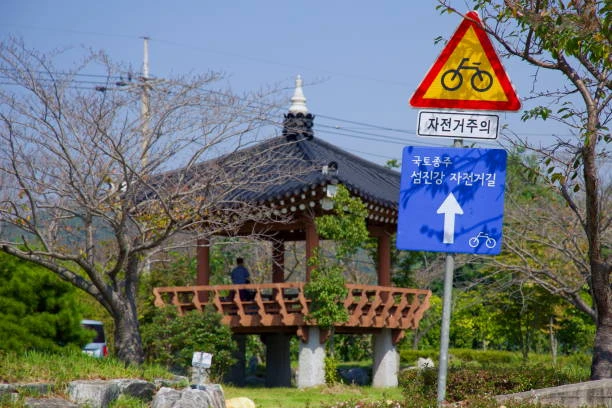
Getting around Gwangyang-si is convenient and efficient, thanks to its well-developed public transportation system. The city operates a reliable bus service that connects various neighborhoods and key attractions. A unique aspect of Gwangyang's transportation is the availability of bicycles for rent, which allows you to explore the scenic routes at your own pace.
For a more local experience, consider using taxis, which are readily available and relatively affordable. Many taxi drivers are familiar with popular tourist spots and can provide insights on the best places to visit. Additionally, walking is an excellent way to discover hidden gems within the city, as many attractions are located within walking distance of each other.
While Gwangyang-si itself offers a wealth of experiences, the surrounding area in Jeollanam-do is filled with hidden gems waiting to be explored. Just a short drive from the city, you can visit the stunning Suncheon Bay, famous for its vast wetlands and migratory bird populations. This ecological treasure is perfect for bird watching and offers picturesque walking trails.
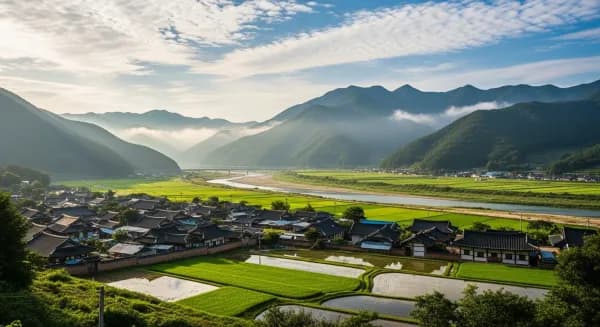
Another nearby attraction is the picturesque village of Nagan Eupseong, a well-preserved traditional Korean village that showcases the architectural style and lifestyle of the Joseon Dynasty. Wandering through its narrow streets lined with hanok (traditional houses), you’ll feel transported back in time.
For those seeking a more adventurous experience, the hiking trails at Jirisan National Park provide breathtaking views and an opportunity to immerse yourself in nature. The park is renowned for its diverse flora and fauna, making it a paradise for nature lovers.
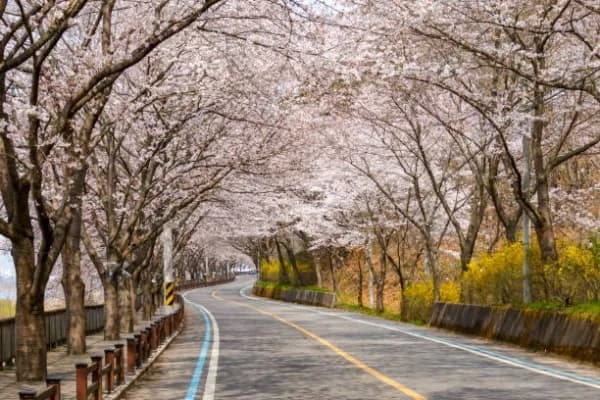
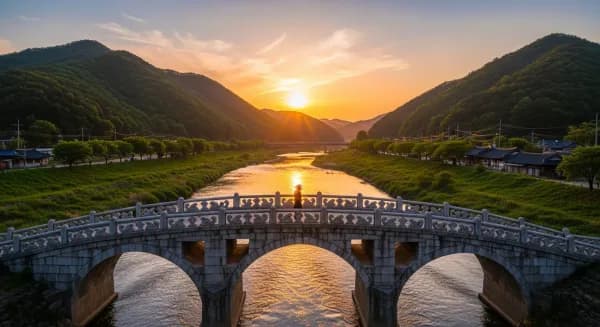
The best time to visit Gwangyang-si is during the spring and fall months, when the weather is mild and the natural scenery is at its most enchanting. In spring, the cherry blossoms bloom, transforming the city into a pastel wonderland, while fall brings vibrant autumn foliage that paints the landscape in shades of red and gold.
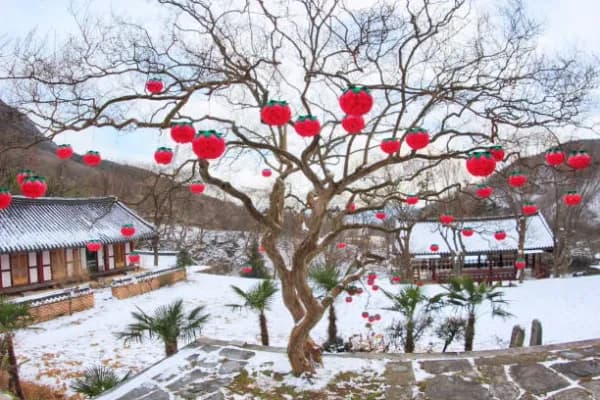
Summer, though warm and humid, offers a lively atmosphere with various festivals and outdoor activities. Conversely, winter can be quite cold, but if you enjoy a quieter experience, this season also allows for fewer crowds at popular attractions. Each season has its unique appeal, making Gwangyang a year-round destination.
The weather in Gwangyang-si varies significantly throughout the year, with each month showcasing its unique characteristics. January is typically the coldest month, with temperatures ranging from -2°C to 5°C. Snow is rare but can occasionally dust the city, creating a serene atmosphere.
As spring arrives in March, temperatures gradually rise, reaching between 5°C and 15°C. This season is marked by beautiful cherry blossoms and numerous festivals. By June, summer brings warm temperatures (20°C to 30°C) and higher humidity, perfect for outdoor events.
September marks the arrival of autumn, with temperatures cooling down (15°C to 25°C) and leaves turning vibrant hues. Finally, December ushers in winter once more, with colder temperatures returning and occasional festive celebrations.
The culture of Gwangyang-si is deeply rooted in its history and traditions, reflecting the broader cultural tapestry of Jeollanam-do. The city hosts several festivals throughout the year that celebrate local customs, agriculture, and the changing seasons. One of the most notable is the Gwangyang Maehwa Festival, held in March, where visitors can enjoy the stunning plum blossoms while participating in traditional games and performances.
The people of Gwangyang are known for their hospitality and warmth, often welcoming visitors with open arms. Etiquette is essential in Korean culture; it is customary to greet elders with a bow and remove your shoes when entering someone’s home. This respect for tradition is evident in the local community, where customs are preserved and passed down through generations.
Gwangyang-si is a culinary haven, particularly known for its unique take on Korean barbecue. The city is famous for Gwangyang bulgogi, a marinated beef dish grilled to perfection. This dish reflects the rich agricultural heritage of Jeollanam-do, as it uses locally sourced ingredients.
Another must-try during your visit is the Gwangyang rice cake, known as “songpyeon,” traditionally enjoyed during the Chuseok festival. The local market is an excellent place to sample these delicacies, as vendors offer a variety of traditional dishes that showcase the region’s rich culinary history.
Gwangyang-si boasts several notable landmarks that offer insights into its history and culture. Here are the top five attractions you shouldn’t miss:
This picturesque village is famous for its stunning plum blossom trees that bloom every spring. The vibrant flowers draw thousands of visitors, who come to enjoy the breathtaking views and participate in local festivities. The village represents the essence of Gwangyang’s natural beauty and cultural heritage.
As one of Korea’s major ports, Gwangyang Port is an industrial marvel. Visitors can take a guided tour to understand the operations of this vital economic hub, witnessing the intersection of nature and industry. The area around the port also features scenic walking paths along the waterfront.
This historical fortress dates back to the Baekje period and offers a glimpse into Korea’s ancient military architecture. The surrounding landscape provides stunning views of the city and the nearby mountains, making it a perfect spot for history buffs and nature lovers alike.
This modern facility hosts various cultural events, performances, and exhibitions throughout the year. It’s an excellent place to engage with local art and theater, showcasing the vibrant creative scene of Gwangyang and Jeollanam-do.
Located just a short drive from Gwangyang, Jirisan National Park is home to some of Korea’s most stunning landscapes. Offering numerous hiking trails, waterfalls, and diverse wildlife, it’s a must-visit for outdoor enthusiasts looking to explore the natural beauty of Jeollanam-do.
Nearby places worth adding to your itinerary.
Top stays in Gwangyang-si picked for comfort, value, and great guest reviews.