Boseong
Explore stays
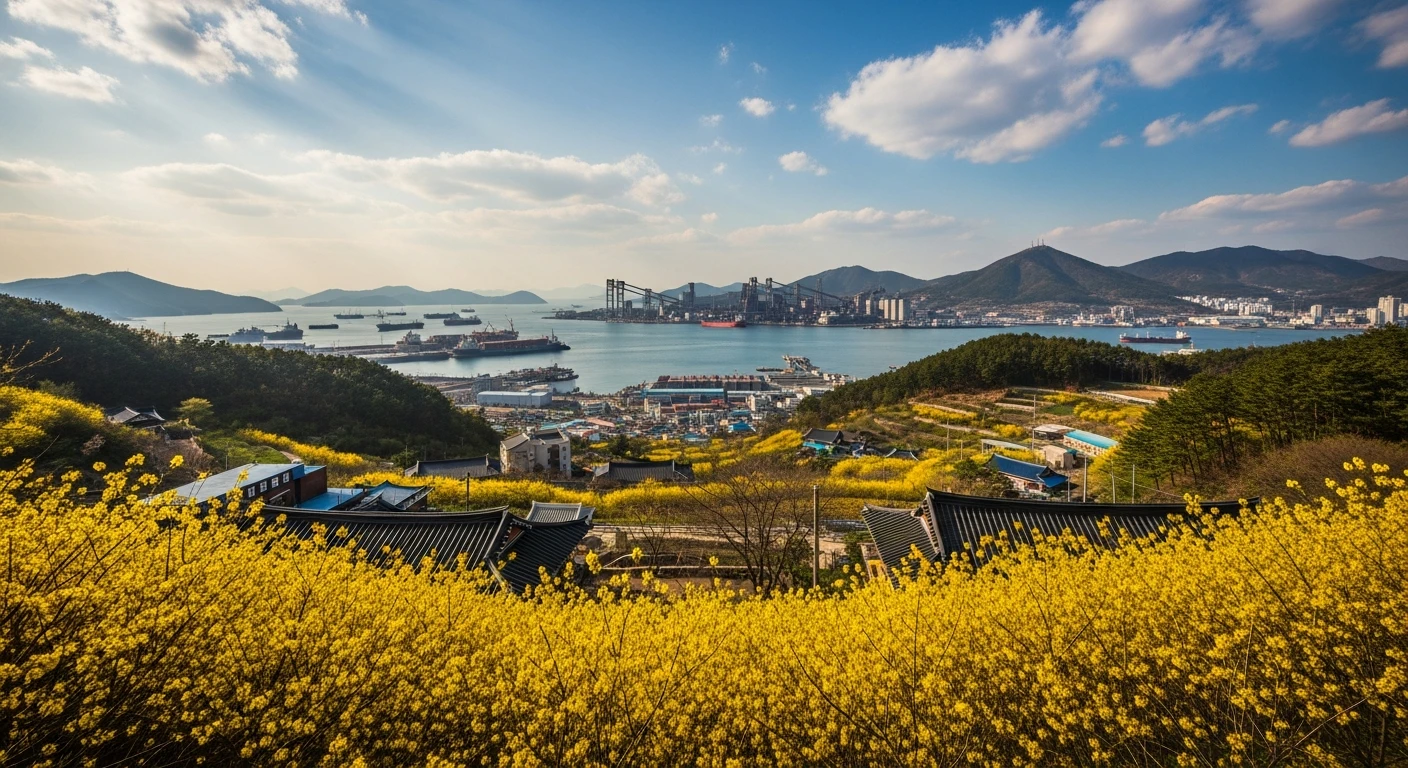
Gwangyang, a city nestled in the heart of Jeollanam-do, South Korea, is a harmonious blend of industrial prowess and natural beauty. Historically, Gwangyang has been a pivotal port city, contributing significantly to South Korea's economic development through its steel industry. The renowned POSCO Gwangyang Steelworks is a testament to this industrial heritage, standing as one of the largest steel plants in the world.
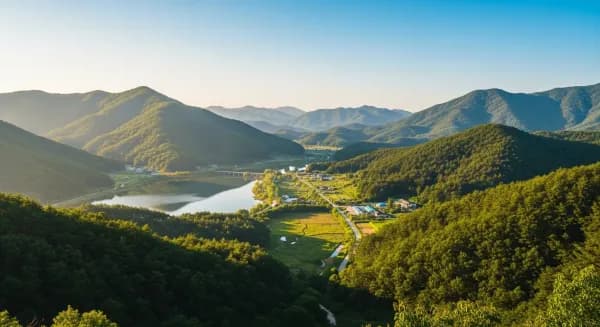
Geographically, Gwangyang is blessed with a diverse landscape. The city is bordered by the serene waters of Gwangyang Bay to the south and the majestic Baegunsan Mountain to the north. This unique geographical setting offers visitors a chance to explore both coastal and mountainous terrains, providing a rich tapestry of experiences.
The vibe in Gwangyang is a delightful mix of modernity and tradition. While the city buzzes with the energy of industry, it also offers tranquil escapes into nature and culture. Locals are known for their warm hospitality, often inviting visitors to partake in local customs and festivals, making it a welcoming destination for travelers.
When it comes to accommodations, Gwangyang in Jeollanam-do offers a variety of options to suit different budgets and preferences. For those seeking luxury, the Gwangyang Tourist Hotel provides an upscale experience with stunning views of the bay and top-notch amenities.
Budget travelers can find comfort in the city's numerous guesthouses and hostels, particularly in the central areas around Gwangyang-eup. These budget-friendly options often provide a cozy atmosphere and a chance to meet fellow travelers.
For a more immersive experience, consider staying in a traditional Korean hanok in the nearby villages. These traditional houses offer a glimpse into the architectural beauty of Jeollanam-do and allow visitors to experience Korean culture firsthand.
Navigating Gwangyang like a local is an adventure in itself. The city boasts a well-connected public transportation system, including buses and taxis, making it easy to explore both urban and rural areas.
Buses are the most economical way to travel, with routes covering major attractions and neighborhoods. For those seeking more flexibility, taxis are readily available and relatively affordable. Additionally, renting a car can be a great option for exploring the scenic countryside of Jeollanam-do at your own pace.
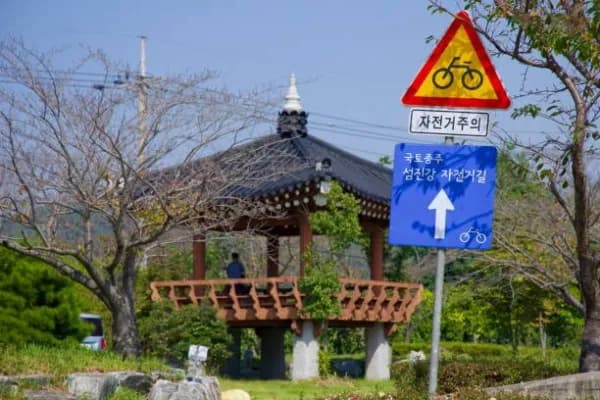
Cycling is also popular among locals, with several bike paths offering a unique way to discover the city's hidden gems.
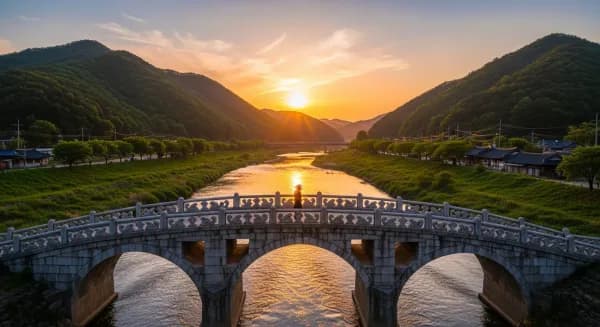
Gwangyang's location in Jeollanam-do makes it a perfect base for exploring the region's hidden gems. One such gem is the Seomjingang River, renowned for its picturesque landscapes and opportunities for water sports like kayaking and fishing.
Another must-visit is the nearby Suncheon Bay, a natural wonder known for its vast reed fields and diverse birdlife. The Suncheon Bay National Garden offers a peaceful retreat with beautifully landscaped gardens and walking trails.
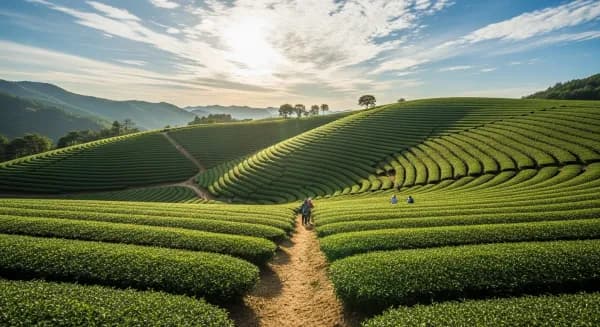
For a taste of history, head to the Boseong Green Tea Fields, where you can wander through lush plantations and savor the region's famed green tea. These excursions provide a deeper understanding of Jeollanam-do's natural and cultural heritage.
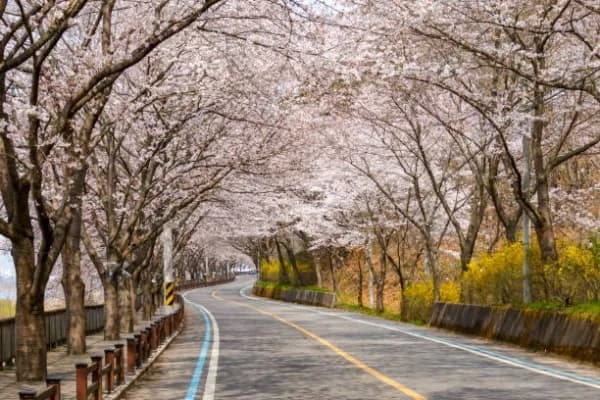
The best time to visit Gwangyang in Jeollanam-do is during the spring and autumn months. From March to May, the city comes alive with cherry blossoms and mild temperatures, creating a picturesque setting for outdoor activities.
Autumn, from September to November, is equally enchanting, with vibrant foliage and pleasant weather. These seasons offer the ideal conditions for exploring the city's attractions and participating in local festivals.
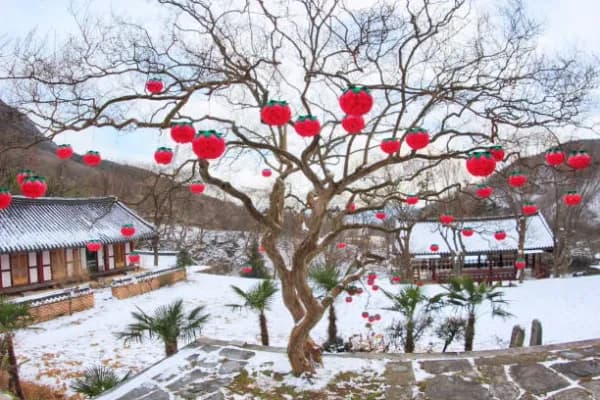
While summer can be hot and humid, it is also a great time to enjoy the coastal areas and water activities. Winter, though cold, provides a unique charm with snow-dusted landscapes and cozy indoor experiences.
Gwangyang in Jeollanam-do experiences a temperate climate with distinct seasons. January is the coldest month, with temperatures averaging around 2°C (36°F), while July is the warmest, reaching up to 30°C (86°F).
Spring (March to May) is characterized by mild temperatures and blooming flowers, making it a popular time for visitors. Summer (June to August) brings heat and humidity, with occasional monsoon rains.
Autumn (September to November) offers cool and comfortable weather, perfect for outdoor exploration. Winter (December to February) is chilly, with occasional snowfall, providing a serene and peaceful atmosphere.
Gwangyang's culture is a vibrant tapestry woven from the threads of tradition and modernity. The city hosts several festivals throughout the year, celebrating its rich heritage and community spirit.
The Gwangyang Maehwa Festival, held in early spring, is a highlight, attracting visitors with its stunning plum blossoms and cultural performances. The festival is a celebration of the region's agricultural roots and offers a chance to experience traditional Korean music and dance.
Etiquette is important in Gwangyang, as in the rest of Jeollanam-do. Visitors are encouraged to respect local customs, such as bowing when greeting and removing shoes before entering homes. The people of Gwangyang are known for their warmth and hospitality, often inviting guests to share in their cultural traditions.
Gwangyang in Jeollanam-do is a culinary haven, offering a delightful array of traditional Korean dishes. A must-try is Gwangyang Bulgogi, a local variation of the famous Korean barbecue. This dish features marinated beef grilled over an open flame, often enjoyed with fresh vegetables and savory sauces.
Another local specialty is the Gwangyang-style Bibimbap, a mixed rice dish topped with a variety of vegetables, meat, and spicy gochujang sauce. The dish reflects the region's agricultural abundance and is a staple in local households.
Seafood lovers will appreciate the fresh catches from Gwangyang Bay, including grilled mackerel and spicy seafood stews. These dishes highlight the coastal influence on the region's cuisine and are a testament to the rich culinary heritage of Jeollanam-do.
Gwangyang in Jeollanam-do is home to a variety of attractions that cater to diverse interests. A top landmark is the Gwangyang Steelworks, offering guided tours that provide insight into the city's industrial heritage and the steel-making process.
Namhansanseong Fortress, a UNESCO World Heritage site, offers a glimpse into Korea's military history. The fortress provides panoramic views of the surrounding landscapes, making it a popular spot for hiking and photography.
The Yi Sun-sin Bridge, one of the longest suspension bridges in the world, is another must-see. This architectural marvel connects Gwangyang to Yeosu and offers breathtaking views of the bay.
For nature enthusiasts, the Seomjingang River and its surrounding areas offer opportunities for hiking, fishing, and birdwatching. The river is a vital part of Jeollanam-do's ecosystem and a haven for wildlife.
Lastly, the Baegunsan Mountain offers challenging trails and rewarding vistas. The mountain is a favorite among hikers and provides a peaceful escape from the urban hustle.
Nearby places worth adding to your itinerary.
Top stays in Gwangyang picked for comfort, value, and great guest reviews.