An Giang
Explore stays
Da Nang, a vibrant city located in central Vietnam, has a rich tapestry woven from its history, geography, and cultural vibrancy. Founded in the early days of the Champa Kingdom, Da Nang has evolved from a modest fishing village into a bustling metropolis. The city's strategic location along the South China Sea makes it a crucial port, historically serving as a gateway for trade and cultural exchange. The remnants of its colonial past are visible in the architecture, with French influences evident in buildings like the Da Nang Cathedral and the old colonial villas scattered throughout the city.
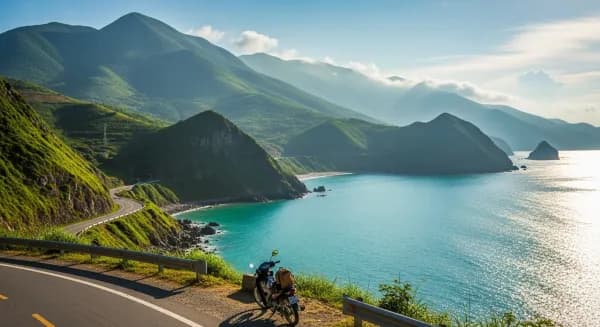
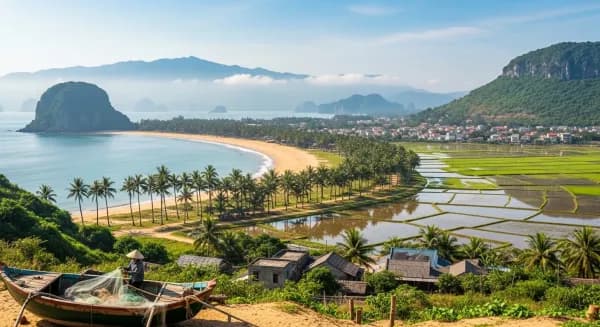
Geographically, Da Nang is framed by the stunning backdrop of the Annamite Range to the west and the pristine beaches of My Khe and Non Nuoc to the east. This unique positioning offers both breathtaking landscapes and urban convenience, contributing to its reputation as one of Vietnam's most livable cities. The city is imbued with a laid-back vibe, blending traditional Vietnamese culture with modern amenities. The local population is known for its warmth and hospitality, making Da Nang not only a great destination for tourists but also a place where visitors feel welcomed and at home.
Over the years, Da Nang has developed into a hub for tourism and commerce, with significant investments in infrastructure and hospitality. This evolution has attracted both domestic and international visitors, eager to explore its beaches, culinary offerings, and cultural sites. As the city continues to grow, it remains a beacon of Vietnamese culture, art, and history, making it a must-visit destination for anyone traveling through Vietnam.
When it comes to accommodation, Da Nang caters to a wide range of preferences and budgets. For those seeking luxury, the Son Tra Peninsula is home to some of Vietnam's most opulent resorts, including the InterContinental Danang Sun Peninsula Resort and the Furama Resort. These establishments offer stunning ocean views, top-notch amenities, and unparalleled service, perfect for a lavish getaway.
On the other end of the spectrum, budget travelers will find numerous hostels and guesthouses in areas like the city center and along the beachfront. Places like Danang Hostel and Backhome Hostel offer affordable rates and a friendly atmosphere, making it easy to connect with fellow travelers. For a more local experience, consider staying in homestays, which are increasingly popular and provide insight into Vietnamese culture and daily life.
Getting around Da Nang is relatively easy, and there are several local transportation options to navigate like a true local. Motorbike rentals are popular and affordable, allowing travelers the freedom to explore the city at their own pace. Alternatively, taxis and ride-sharing services like Grab are widely available and provide a convenient way to traverse the city. For a more authentic experience, consider hopping on a bicycle, which is a great way to explore the coastal paths and enjoy the city's scenic views.
While Da Nang itself is a gem, the surrounding areas boast a wealth of hidden treasures waiting to be discovered. Just a short drive from the city, the ancient town of Hoi An is a UNESCO World Heritage Site, known for its well-preserved architecture, vibrant lantern festivals, and culinary delights. Another nearby marvel is the Marble Mountains, a cluster of five limestone hills with stunning caves and pagodas offering panoramic views of the region.
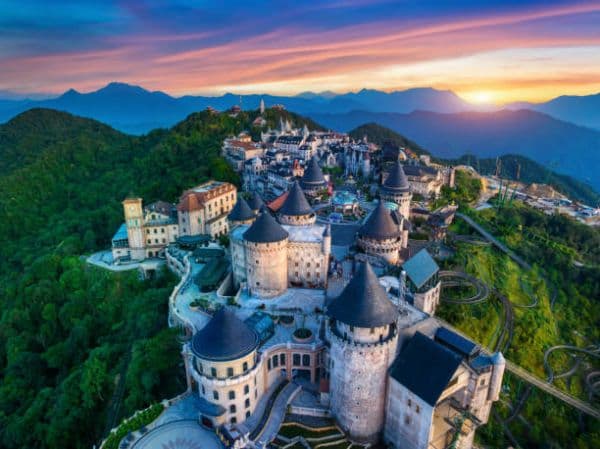
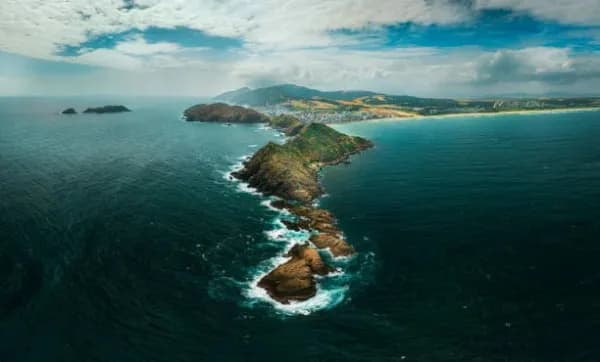
The Ba Na Hills, famous for the Golden Bridge held up by giant stone hands, provide a breathtaking escape into the mountains. Adventurous souls can explore the lush landscapes of Son Tra Peninsula, where hiking trails lead to secluded beaches and wildlife viewing opportunities. Each of these excursions offers a unique glimpse into the diverse beauty and culture of central Vietnam.
Choosing the right time to visit Da Nang can greatly enhance your experience. The ideal months are from March to May and September to November when the weather is pleasant, and tourist crowds are thinner. During these periods, you can enjoy comfortable temperatures and clear skies, making it perfect for outdoor activities and beach visits.
In contrast, the summer months (June to August) can bring scorching heat and increased humidity, while the winter months (December to February) may see cooler temperatures and occasional rain. Understanding these seasonal variations allows travelers to plan their trips accordingly and make the most of their time in Vietnam.
Da Nang's climate is tropical, with distinct wet and dry seasons. January typically sees cooler temperatures, ranging from 18°C to 24°C (64°F to 75°F), making it a comfortable time to explore the city. As spring arrives in February and March, temperatures gradually rise to around 25°C to 30°C (77°F to 86°F), with minimal rainfall.
The summer months of June through August can be quite hot, with temperatures soaring up to 35°C (95°F) and high humidity levels. This is when Da Nang sees the most visitors, particularly for its beaches. As autumn approaches in September and October, temperatures begin to cool down slightly, ranging from 24°C to 30°C (75°F to 86°F), although this period may also bring occasional rain. November sees a drop in temperatures, making it another pleasant time to visit before winter fully sets in.
The culture of Da Nang is a beautiful blend of traditional Vietnamese heritage and modern influences. The city is known for its vibrant festivals, such as the Da Nang International Fireworks Festival, which attracts participants from around the globe, creating a dazzling display of lights and colors against the night sky. The local population celebrates various cultural events throughout the year, including Tet, the Vietnamese Lunar New Year, which is a time of family gatherings, feasting, and traditional rituals.
Moreover, the people of Da Nang are known for their friendliness and hospitality, often going out of their way to make visitors feel at home. Etiquette is an essential aspect of the culture; a friendly smile and a polite greeting can go a long way in establishing rapport with the locals. Understanding the cultural nuances, such as the importance of respecting elders and the significance of familial ties, enhances the travel experience and fosters deeper connections with the community.
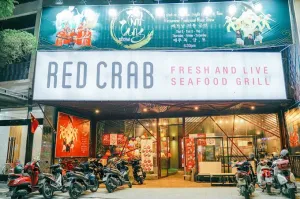
Da Nang is a culinary paradise, renowned for its unique dishes that reflect the region's rich agricultural heritage and coastal bounty. Must-try dishes include Mi Quang, a flavorful noodle dish made with turmeric-infused noodles, shrimp, and pork, often garnished with fresh herbs and served with a side of rice crackers.
Another local favorite is Bun Cha Ca, a fish cake noodle soup that showcases the city’s seafood abundance. The culinary history of Da Nang is deeply rooted in the traditions of the Cham people, who once inhabited the region, and influences from various ethnic groups continue to shape its diverse food scene. Street food stalls and local eateries provide an authentic taste of Da Nang, making food exploration an essential part of any visit to Vietnam.
Da Nang is home to several iconic landmarks that capture the essence of the city and its surroundings. The first must-visit site is the Marble Mountains, a cluster of five limestone hills that are not only a geological wonder but also a spiritual haven with numerous ancient pagodas and caves. Visitors can hike to the summit for breathtaking views and explore the hidden grottoes adorned with intricate carvings.
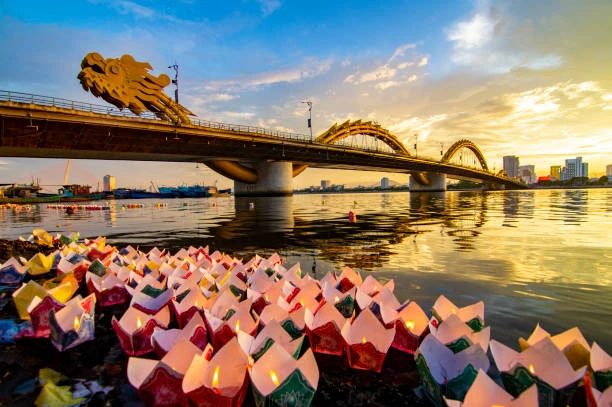
Next, the Dragon Bridge (Cau Rong) is an engineering marvel that spans the Han River. At night, the bridge comes alive with vibrant LED lights, and on weekends, it breathes fire and water, drawing crowds eager to witness this spectacular show. Another highlight is the Linh Ung Pagoda, home to a towering statue of the Goddess of Mercy, which offers panoramic views of the city and coastline.
Additionally, the Golden Bridge in Ba Na Hills has become an Instagram sensation, thanks to its unique design featuring gigantic stone hands holding up the walkway. Finally, the Cham Museum showcases the history and culture of the Cham civilization, housing the largest collection of Cham artifacts in the world, making it a critical stop for history enthusiasts. Each of these attractions tells a story, revealing the rich heritage and vibrant culture of Da Nang and Vietnam.
Nearby places worth adding to your itinerary.
Top stays in Da Nang picked for comfort, value, and great guest reviews.
Local guide picks to help you explore Da Nang better.