
Addis Ababa
Explore stays
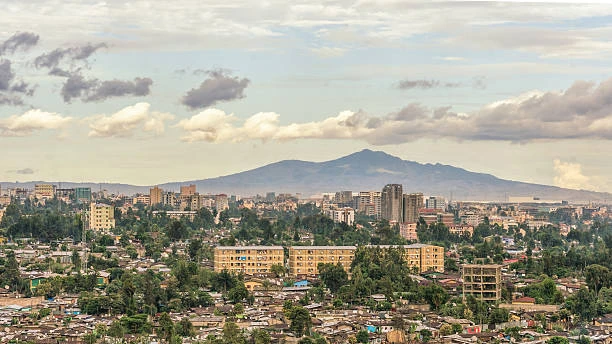
Ethiopia is a captivating country located in the Horn of Africa. Known for its rich history, stunning landscapes, diverse culture, and unique heritage, Ethiopia is an increasingly popular destination for travelers. Whether you're interested in exploring ancient ruins, trekking through highlands, or experiencing vibrant local cultures, Ethiopia offers something for every type of traveler. This guide will take you through the best attractions, activities, and essential travel tips to help you plan your trip to Ethiopia.
Ethiopia is a landlocked country located in the eastern part of Africa, bordered by Eritrea to the north, Djibouti and Somalia to the east, Kenya to the south, South Sudan to the west, and Sudan to the northwest. The capital city of Addis Ababa serves as both the political and economic center of the country.
Ethiopia is one of the oldest nations in the world with a history that dates back thousands of years. The country is also known for its diverse geography, ranging from highlands and plateaus to lowland deserts and lush valleys. It is the home of many different ethnic groups, each with its own language, traditions, and culture.
Ethiopia offers a wide variety of tourist attractions, from ancient historical sites and religious landmarks to breathtaking natural wonders and vibrant local traditions. Here are some of the top places to visit and things to do in Ethiopia:
The Rock-Hewn Churches of Lalibela are one of Ethiopia's most famous attractions. These 11 medieval churches, carved out of solid rock, are considered an engineering marvel. Located in the northern highlands, they are a UNESCO World Heritage site and a pilgrimage site for Ethiopian Orthodox Christians. Visitors can explore the incredible architectural wonders and witness religious ceremonies in these ancient churches.
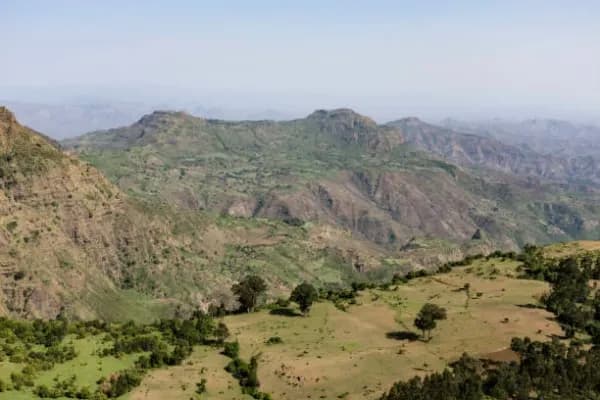
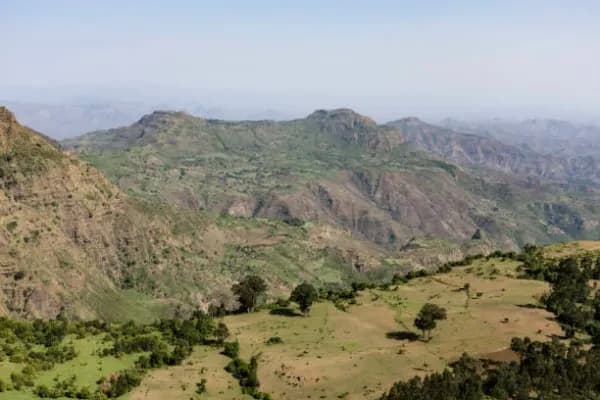
For nature lovers and adventure enthusiasts, the Simien Mountains National Park is a must-see. Known for its dramatic landscapes, deep valleys, and high peaks, the park is a haven for hiking and trekking. The park is also home to unique wildlife, such as the gelada baboon and the Ethiopian wolf. Simien Mountains is a UNESCO World Heritage site and offers some of the most stunning views in Africa.
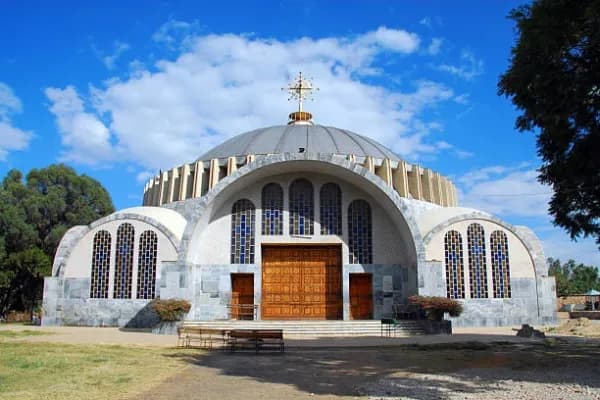
Axum, located in the northern part of Ethiopia, was once the capital of the ancient Aksumite Empire, one of the greatest civilizations in history. Visitors to Axum can explore the Obelisks of Axum, massive stone monuments that were erected as tombstones for the kings of the Aksumite Empire. Other notable sites include the St. Mary of Zion Church, which is believed to house the Ark of the Covenant. Axum is a treasure trove of ancient history and a perfect destination for history buffs.
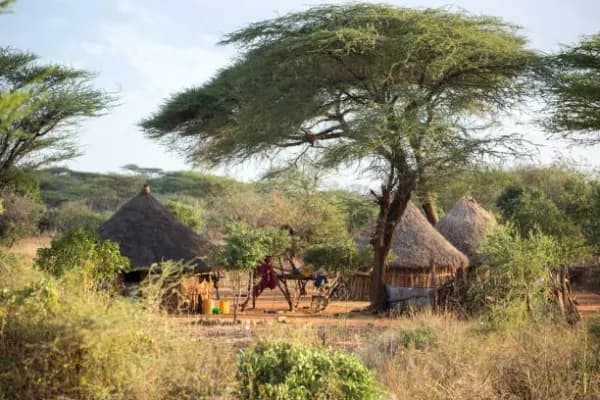
The Omo Valley, located in the southwestern part of Ethiopia, is home to some of the most diverse ethnic groups in Africa. The valley is famous for its traditional villages, where you can meet tribes such as the Mursi, Hamar, and Karo. These tribes have unique cultures and traditions that are still preserved today. A visit to the Omo Valley provides a rare opportunity to witness a way of life that has remained largely unchanged for centuries.
Lake Tana, located in the northwest part of the country, is the largest lake in Ethiopia. It is the source of the Blue Nile River, which flows through Ethiopia and into Sudan. Visitors can take a boat tour of Lake Tana, exploring its monasteries that date back to the 14th century. Blue Nile Falls, located near the lake, is one of the most impressive waterfalls in Africa. The falls are especially breathtaking during the rainy season when the water flow is at its peak.
The city of Harar is one of the oldest walled cities in Africa and is considered the fourth holiest city in Islam. Located in the eastern part of Ethiopia, Harar Jugol is a UNESCO World Heritage site with over 80 mosques and 102 shrines. The city is also known for its vibrant markets, colorful houses, and rich cultural heritage. A visit to Harar is a chance to experience a blend of history, culture, and stunning architecture.
For those interested in exploring Ethiopia's diverse wildlife, Bale Mountains National Park in the southeast of the country offers a unique opportunity. The park is home to a variety of animals, including bale monkeys, mountain nyala, and warthogs. The landscape is diverse, with everything from alpine meadows to bamboo forests. Bale Mountains is an excellent destination for hiking, wildlife watching, and nature photography.
Ethiopia is well-connected to the rest of the world, with Addis Ababa Bole International Airport (ADD) serving as the main gateway for international flights. The airport offers direct flights to and from major cities around the world, including destinations in Europe, the Middle East, and Africa. Ethiopian Airlines, the national carrier, is one of the largest and most reliable airlines in Africa, providing domestic and international flights.
Once in Ethiopia, getting around the country can be done by a variety of means, including taxis, buses, and domestic flights. In major cities like Addis Ababa, public transportation options such as minibuses and taxis are widely available. For traveling between cities or to remote areas, domestic flights are often the quickest and most convenient option. The country’s road network is improving, but some areas may still be challenging to access by road.
For those seeking more flexibility, car rentals are available in major cities, though it is advisable to hire a driver if you are unfamiliar with the country’s roads.
Ethiopia is surrounded by a number of other fascinating countries, each offering unique travel experiences. Some top destinations nearby include:
To the south of Ethiopia lies Kenya, known for its breathtaking landscapes, including the Maasai Mara and Mount Kenya. Kenya is famous for its wildlife safaris, especially the annual wildebeest migration, which draws thousands of tourists each year.
To the east of Ethiopia, Djibouti is known for its stunning beaches, salt lakes, and volcanic landscapes. The Lake Assal, which is the lowest point in Africa, and the Day Forest National Park are among the country’s main attractions.
To the north, Eritrea offers a mix of historical sites, including the Asmara architecture and Massawa's Red Sea coast. The country’s rich cultural heritage and beautiful coastal areas make it an intriguing destination for travelers.
Ethiopian cuisine is known for its distinctive flavors, and meals are typically enjoyed communally. Injera, a type of sour flatbread made from teff flour, is the staple of most meals. It is often served with various stews, vegetables, and meats. Some popular dishes include:
Ethiopian coffee is world-famous, and a traditional coffee ceremony is a must-experience event for any visitor.
In major cities like Addis Ababa, public buses and minibuses are common modes of transportation. Taxis are also widely available for short distances. Bicycles are a popular mode of transport for locals and offer an eco-friendly way to explore the city.
For exploring major tourist attractions, such as the Simien Mountains or Lalibela, hiring a local guide or arranging a tour is often the best option. Public transport options to more remote areas can be limited, so private vehicles or guided tours are often preferred.
The best time to visit Ethiopia is during the dry season, from October to April. During these months, the weather is pleasant, and most areas are accessible. The rainy season, from June to September, can make some roads impassable and can interfere with outdoor activities, especially trekking.
Most travelers spend around 7 to 10 days in Ethiopia, which allows enough time to explore major sites like Addis Ababa, Lalibela, Axum, and the Simien Mountains. However, for a more in-depth experience, consider spending 2 weeks to fully explore the country.
Nearby places worth adding to your itinerary.
Top stays in Ethiopia picked for comfort, value, and great guest reviews.
Local guide picks to help you explore Ethiopia better.