Bendiwewa
Explore stays

Mihintale, a small town located 12 kilometers east of the ancient city of Anuradhapura, is often heralded as the birthplace of Buddhism in Sri Lanka. The site is revered for its historical significance, as it was here that the Buddhist monk Mahinda, son of the Indian Emperor Ashoka, introduced Buddhism to King Devanampiya Tissa in the 3rd century BCE. This momentous event marked the beginning of a new spiritual era in Sri Lanka, influencing the island's culture, architecture, and way of life.
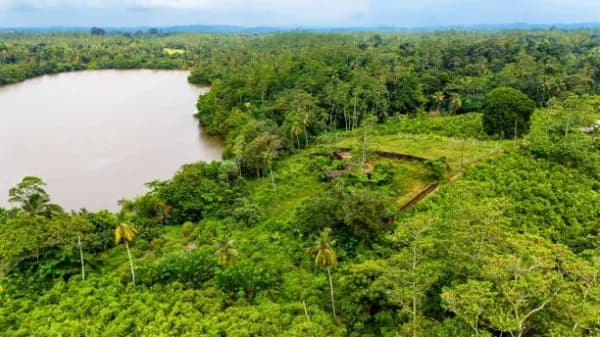
The geography of Mihintale is characterized by its lush greenery and striking rock formations. The town is nestled amidst rolling hills and dense forests, providing a serene backdrop for the numerous ancient structures scattered throughout the area. The vibe in Mihintale is one of tranquility and reverence, as pilgrims and tourists alike walk the sacred grounds, reflecting on the rich history and spiritual legacy of this hallowed site.
Mihintale is not just a historical site but a living testament to the enduring influence of Buddhism in Sri Lanka. The area is dotted with ancient stupas, monastic ruins, and intricately carved stone steps that lead to the summit of Mihintale's sacred hill. The atmosphere is imbued with a sense of peace and spirituality, making it a must-visit destination for anyone interested in the cultural and religious history of Anuradhapura and Sri Lanka as a whole.
When visiting Mihintale, travelers have a range of accommodation options to choose from, catering to both luxury and budget preferences. For those seeking a more luxurious experience, the nearby city of Anuradhapura offers several high-end hotels and resorts that provide modern amenities and stunning views of the surrounding landscapes. These establishments often feature swimming pools, spas, and gourmet dining options, ensuring a comfortable and indulgent stay.
For budget-conscious travelers, there are numerous guesthouses and hostels in and around Anuradhapura that offer affordable accommodation without compromising on comfort. These establishments provide a more authentic experience, often run by local families who can offer valuable insights into the area's history and culture. Staying in these budget-friendly options allows visitors to immerse themselves in the local way of life while exploring the historical wonders of Mihintale and Anuradhapura.
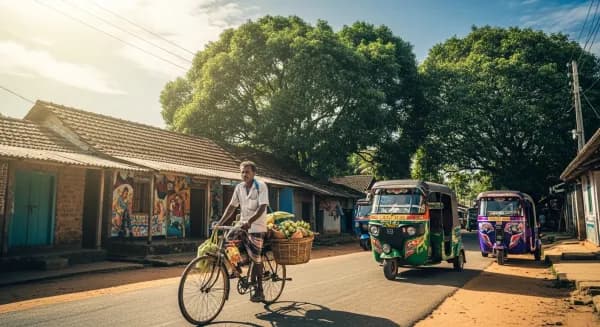
Navigating Mihintale and the surrounding Anuradhapura region is relatively straightforward, with several transportation options available to travelers. The most popular way to get around is by tuk-tuk, a three-wheeled vehicle that offers a convenient and affordable means of transportation. Tuk-tuks can be easily hailed on the street or hired for the day, providing flexibility and the opportunity to explore at one's own pace.
For those who prefer a more structured experience, local buses and private car hires are available, offering transport to and from major attractions in Mihintale and Anuradhapura. Bicycles are also a popular choice for exploring the area, allowing visitors to enjoy the scenic beauty and historical sites at a leisurely pace. Regardless of the mode of transportation chosen, navigating Mihintale and Anuradhapura is an adventure in itself, with each journey offering new insights into the region's rich cultural tapestry.
While Mihintale is a destination in its own right, its proximity to Anuradhapura makes it an ideal base for exploring the surrounding region. One of the hidden gems near Mihintale is the Ritigala Forest Monastery, an ancient monastic complex nestled within a lush forest reserve. The site is known for its unique architecture and tranquil atmosphere, offering a glimpse into the ascetic lifestyle of ancient Buddhist monks.
Another worthwhile excursion is a visit to the Aukana Buddha Statue, located about an hour's drive from Mihintale. This towering 12-meter-high statue is one of the best-preserved examples of ancient Sri Lankan sculpture, showcasing the artistic prowess of the island's early craftsmen. The serene setting and intricate details of the statue make it a must-see for anyone interested in Sri Lankan art and history.
The best time to visit Mihintale and the Anuradhapura region is during the dry season, which runs from May to September. During this period, the weather is generally warm and dry, providing ideal conditions for exploring the area's historical sites and natural beauty. The dry season also coincides with several important Buddhist festivals, offering visitors a chance to witness the vibrant cultural celebrations that take place in Mihintale and Anuradhapura.
While the dry season is the most popular time to visit, those who prefer a quieter experience may choose to visit during the shoulder months of March and April, when the weather is still relatively dry, and the tourist crowds are smaller. Regardless of the time of year, Mihintale and Anuradhapura offer a wealth of experiences and insights into Sri Lanka's rich cultural heritage.
Mihintale and the Anuradhapura region experience a tropical climate, with distinct wet and dry seasons. The dry season, from May to September, is characterized by warm temperatures and minimal rainfall, making it the ideal time for outdoor exploration. Temperatures during this period typically range from 25°C to 32°C (77°F to 90°F).
The wet season, from October to February, brings increased rainfall and humidity, with temperatures remaining relatively warm. While the weather can be unpredictable during this time, the lush greenery and fewer tourists make it an appealing option for those seeking a more tranquil experience. Regardless of the season, visitors should be prepared for warm temperatures and occasional rain showers when exploring Mihintale and Anuradhapura.
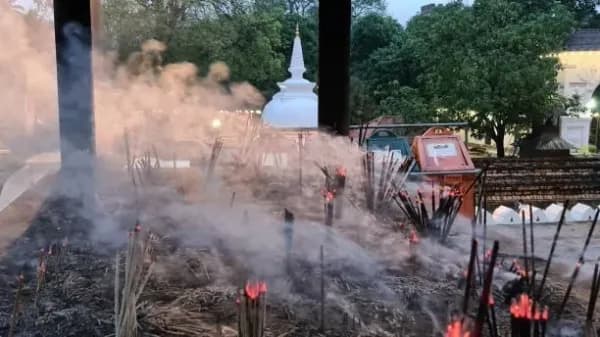
The culture of Mihintale and Anuradhapura is deeply rooted in Buddhism, with the region's historical sites and traditions reflecting the island's spiritual heritage. Festivals play a significant role in the local culture, with the Poson Poya festival being one of the most important celebrations in Mihintale. Held in June, this festival commemorates the introduction of Buddhism to Sri Lanka and attracts thousands of pilgrims who gather to participate in religious ceremonies and rituals.
The people of Mihintale and Anuradhapura are known for their warm hospitality and deep respect for their cultural traditions. Visitors are encouraged to observe local customs and etiquette, such as dressing modestly when visiting religious sites and removing shoes before entering temples. Engaging with the local community offers a unique opportunity to gain insight into the rich cultural tapestry that defines this historic region.
Mihintale and Anuradhapura offer a diverse culinary experience, with traditional Sri Lankan dishes taking center stage. One must-try dish is "Kottu Roti," a flavorful stir-fry made with chopped roti, vegetables, and meat or seafood, seasoned with aromatic spices. Another local favorite is "Pol Sambol," a spicy coconut relish that perfectly complements rice and curry dishes.
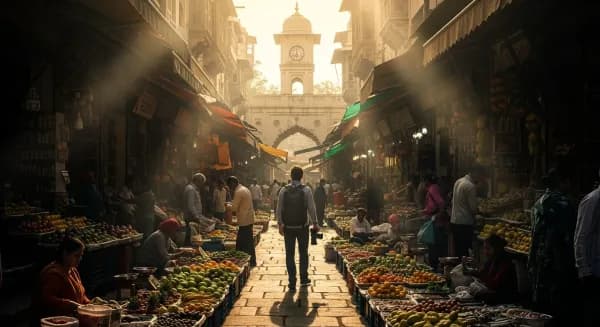
The culinary history of the region is influenced by its Buddhist heritage, with many vegetarian options available for those seeking plant-based meals. Visitors are encouraged to sample the local cuisine at small eateries and street vendors in Anuradhapura, where they can enjoy authentic flavors and experience the vibrant food culture of the region.
Mihintale is home to several remarkable landmarks that offer insight into the region's rich history and spiritual significance. One of the most iconic sites is the Mihintale Rock, where a series of ancient stone steps lead to the summit, offering panoramic views of the surrounding landscape. At the top, visitors will find the Kantaka Chetiya, an ancient stupa that dates back to the 1st century BCE, showcasing the architectural prowess of early Sri Lankan builders.
Another must-visit site is the Ambasthala Dagoba, a small stupa believed to mark the spot where Mahinda first met King Devanampiya Tissa. The site is surrounded by lush greenery and offers a peaceful setting for reflection and meditation. Nearby, the Aradhana Gala, or "Rock of Invitation," is a sacred site where Mahinda is said to have first preached the teachings of Buddhism to the king.
The Naga Pokuna, or "Snake Pond," is another fascinating attraction in Mihintale. This ancient stone pool is intricately carved with images of snakes and is believed to have been used by monks for ritual bathing. The site's unique design and historical significance make it a captivating stop for visitors exploring the area.
Finally, the Mihintale Museum offers a comprehensive overview of the region's history and archaeology, with exhibits showcasing ancient artifacts, inscriptions, and relics. A visit to the museum provides valuable context for understanding the significance of Mihintale and its role in the broader history of Anuradhapura and Sri Lanka.
Nearby places worth adding to your itinerary.
Top stays in Mihintale picked for comfort, value, and great guest reviews.