Bendiwewa
Explore stays
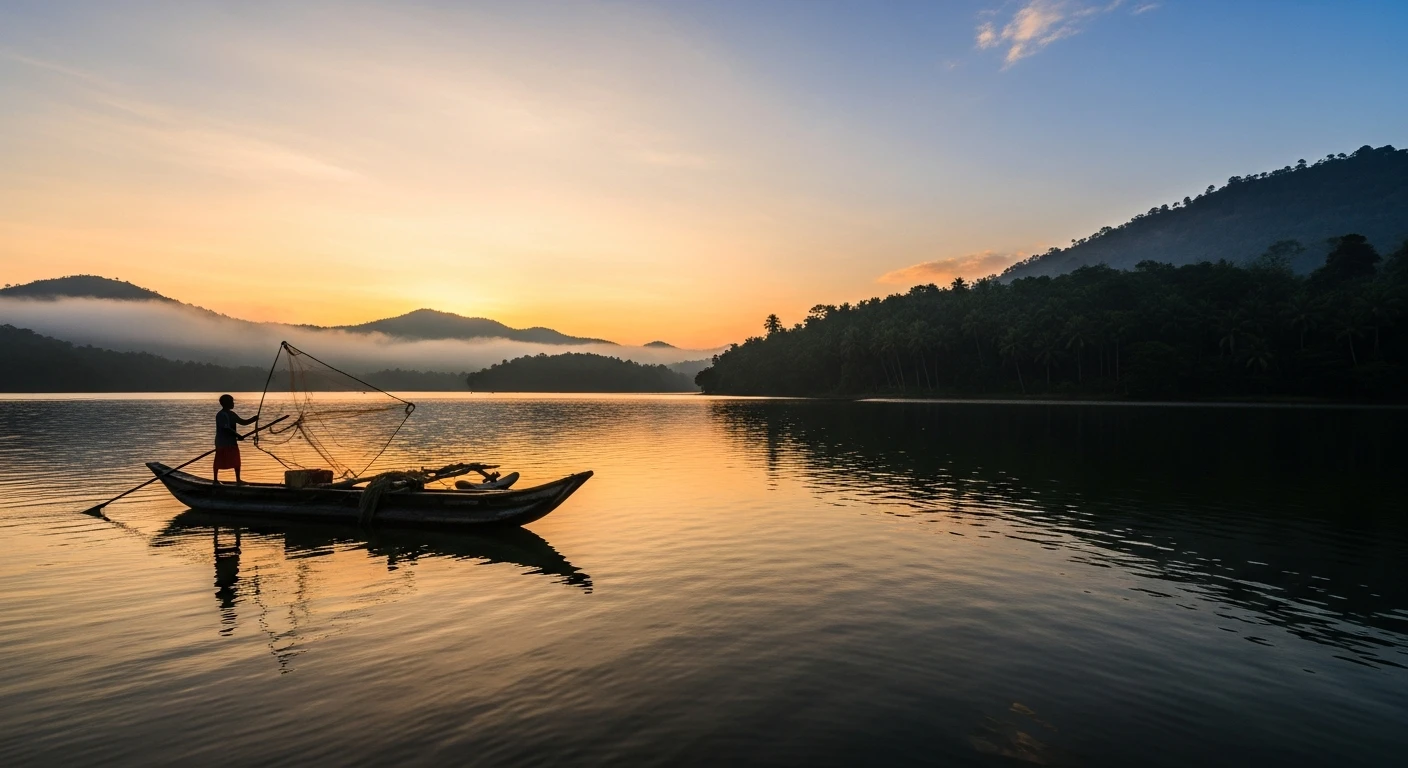
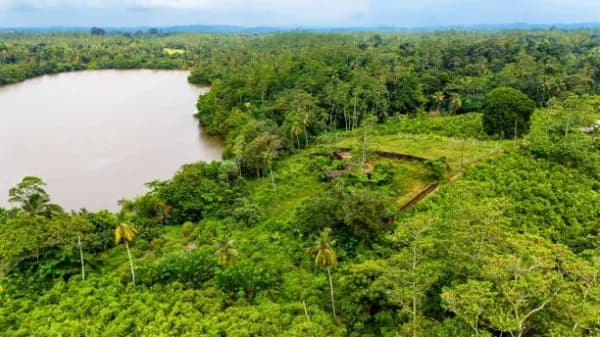
Nestled within the historic landscapes of Anuradhapura, Parasangahawewa is a small yet captivating village that offers a unique blend of history, culture, and natural beauty. Anuradhapura, known for its ancient ruins and sacred Buddhist sites, provides a rich backdrop to the serene and unassuming Parasangahawewa. This village is surrounded by lush paddy fields, tranquil reservoirs, and a tapestry of greenery that is quintessentially Sri Lankan.
The history of Parasangahawewa is intertwined with the broader narrative of Anuradhapura, one of the ancient capitals of Sri Lanka. The region is dotted with remnants of its glorious past, from ancient irrigation systems to Buddhist monasteries that echo the spiritual fervor of yesteryears. The name 'Parasangahawewa' itself is believed to have been derived from the Sinhala words 'Parasa' meaning 'beyond' and 'Wewa' meaning 'reservoir', indicating its historical significance in the ancient water management systems.
Today, Parasangahawewa retains a tranquil vibe, offering a respite from the bustling tourist hotspots of Anuradhapura. The village is a perfect blend of the old and new, where traditional lifestyles coexist with modern conveniences. Visitors can experience the authentic rural life of Sri Lanka, engage with the warm-hearted locals, and immerse themselves in the serene natural surroundings.
When visiting Parasangahawewa, accommodation options range from luxury resorts to budget-friendly guesthouses, each offering a unique experience. For those seeking opulence, the nearby city of Anuradhapura boasts several high-end resorts with amenities such as spa services, fine dining, and guided tours to the ancient sites.
For budget-conscious travelers, there are numerous guesthouses and homestays in and around Parasangahawewa. These options provide a more intimate experience, allowing guests to interact with local families and gain insights into their daily lives. Many of these accommodations offer traditional Sri Lankan meals, prepared with locally sourced ingredients, ensuring an authentic culinary experience.
Whether you choose a luxurious resort or a humble homestay, the hospitality in Parasangahawewa is warm and welcoming, reflecting the genuine kindness of the Sri Lankan people.
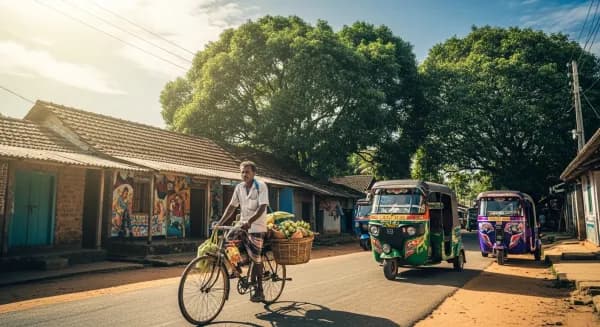
Getting around Parasangahawewa and the broader Anuradhapura region is relatively straightforward, thanks to a variety of local transportation options. The most common mode of transport is the tuk-tuk, a three-wheeled vehicle that is both affordable and convenient for short distances. Tuk-tuks can be easily hailed on the street or booked through local apps.
For those looking to explore at their own pace, renting a bicycle is a popular choice. The flat terrain and scenic routes make cycling an enjoyable way to discover the hidden gems of Parasangahawewa and its surroundings. Alternatively, motorbike rentals are available for those who wish to cover larger distances more quickly.
Public buses also connect Parasangahawewa to Anuradhapura and other nearby towns, offering a budget-friendly option for longer journeys. However, for the most seamless experience, hiring a private car with a driver can be arranged through local travel agencies.
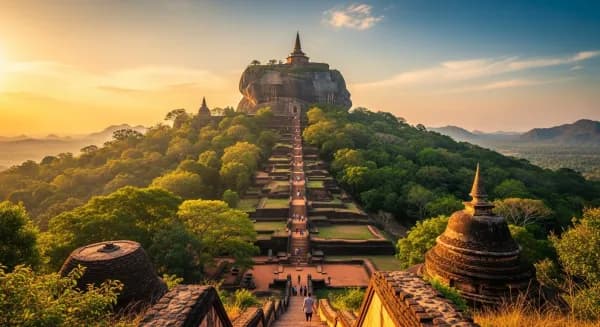
Parasangahawewa serves as a perfect base for exploring the lesser-known attractions of Anuradhapura. One such hidden gem is the Ritigala Forest Monastery, located a short drive away. This ancient monastic complex is set amidst a lush forest reserve, offering a peaceful retreat and a glimpse into the ascetic life of Buddhist monks.
Another intriguing excursion is to the Mihintale, a sacred mountain believed to be the birthplace of Buddhism in Sri Lanka. Climbing the stone steps to the summit, visitors are rewarded with panoramic views of the surrounding countryside and a sense of spiritual serenity.
For nature enthusiasts, the Kala Wewa and Nachchaduwa Wewa reservoirs provide opportunities for birdwatching and leisurely walks along the water's edge. These excursions offer a deeper understanding of the historical and natural richness of the Anuradhapura region.
The best time to visit Parasangahawewa and Anuradhapura is during the dry season, which spans from May to September. During these months, the weather is warm and dry, making it ideal for exploring the outdoor attractions and ancient sites without the discomfort of rain.
While the monsoon season from October to January brings heavy rains, it also transforms the landscape into a lush, verdant paradise. This period can be appealing for those who enjoy the tranquility and beauty of the rain-washed countryside.
February to April is another favorable time to visit, with moderate temperatures and less humidity. Regardless of the season, Parasangahawewa offers a unique charm that captivates visitors year-round.
The climate in Parasangahawewa, like the rest of Anuradhapura, is characterized by a tropical monsoon climate. January marks the tail end of the northeast monsoon, with cooler temperatures and occasional showers.
From February to April, the weather becomes progressively warmer, with temperatures ranging from 25°C to 32°C, making it a pleasant time for outdoor activities. May to August experiences the southwest monsoon, bringing dry and sunny weather, ideal for exploring the ancient ruins.
September and October see a transition to the northeast monsoon, with increased humidity and sporadic rainfall. November and December are the wettest months, with lush greenery providing a scenic backdrop to the historical landscape.
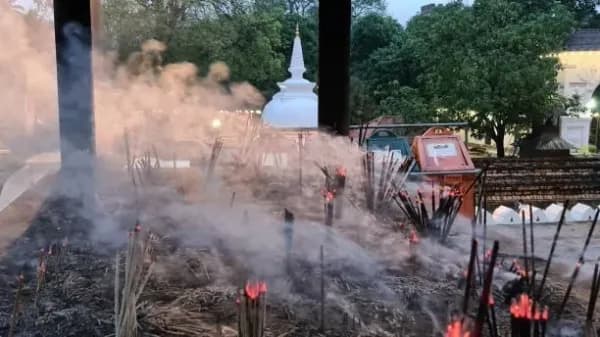
Parasangahawewa, like Anuradhapura, is steeped in rich cultural heritage. The local community practices a blend of traditional and modern customs, deeply rooted in Buddhism. Visitors can witness the daily rituals at the village temples, where locals offer flowers and light oil lamps as part of their spiritual devotion.
The village comes alive during the Vesak festival in May, celebrating the birth, enlightenment, and passing of the Buddha. Streets are adorned with colorful lanterns, and locals engage in acts of charity and kindness, reflecting the core values of Buddhist teachings.
Etiquette is important in Parasangahawewa, with respect for elders and modesty in dress being highly valued. Visitors are encouraged to observe local customs and participate in community events to gain a deeper understanding of the region's culture.
The culinary delights of Parasangahawewa are a reflection of the rich agricultural heritage of Anuradhapura. Rice and curry dominate the local cuisine, with an array of vegetable, fish, and meat curries that tantalize the taste buds with their aromatic spices and flavors.
A must-try dish is the 'Kola Kenda', a nutritious herbal porridge made from local greens, coconut milk, and rice. Another popular delicacy is 'Wambatu Moju', a sweet and tangy eggplant pickle that complements the main meals perfectly.
Visitors can also savor traditional sweets such as 'Kevum' and 'Kokis', especially during festive seasons, offering a sweet end to a delightful culinary journey.
The Jaya Sri Maha Bodhi in Anuradhapura is one of the most revered Buddhist sites in Sri Lanka. This sacred fig tree, believed to be a sapling from the original Bodhi Tree under which the Buddha attained enlightenment, attracts pilgrims from all over the world. The atmosphere here is one of profound spirituality, with devotees offering prayers and flowers in reverence.
The Ruwanwelisaya is an iconic stupa in Anuradhapura, known for its majestic white dome and historical significance. Built by King Dutugemunu in the 2nd century BCE, it stands as a testament to the architectural prowess of ancient Sri Lanka. The stupa is surrounded by intricate carvings and statues, making it a must-visit landmark.
Once a thriving center of Theravada and Mahayana Buddhism, the Abhayagiri Monastery is a sprawling complex of ruins that offers a glimpse into the monastic life of ancient Anuradhapura. The site includes stupas, meditation halls, and ancient inscriptions, providing a rich tapestry of history and spirituality.
Thuparamaya is the oldest stupa in Sri Lanka, believed to enshrine the collarbone relic of the Buddha. Its unique bell-shaped design and historical significance make it a captivating site for history enthusiasts and spiritual seekers alike.
Famous for its rock carvings, Isurumuniya is a small temple with a serene setting near a pond. The temple is known for the 'Isurumuniya Lovers', a beautiful stone carving that depicts a romantic couple, showcasing the artistic brilliance of ancient Sri Lankan sculptors.
Nearby places worth adding to your itinerary.
Top stays in Parasangahawewa picked for comfort, value, and great guest reviews.