Ansan-Si
Explore stays
Although Muan is a smaller city compared to major urban centers like Seoul or Busan, it is still easily accessible for international visitors. The city is served by Muan International Airport, which provides domestic flights to and from major cities like Seoul (Incheon and Gimpo Airports) and Jeju. The airport also has international connections, primarily to destinations in China and Southeast Asia. The airport’s compact size makes it easy to navigate, offering a seamless travel experience for visitors heading to Muan.
Muan is well-connected to other major cities in South Korea. Muan is around 280 kilometers (about 4 hours by car) south of Seoul, making it a convenient destination for a day trip or a weekend getaway. The city is also close to Mokpo, which is about a 30-minute drive to the west, and Gwangju, about 1.5 hours to the east. Muan is accessible by buses and trains from these nearby cities, making it easy to explore the region.
Public transportation options within Muan are available, including buses and taxis, which can be used to reach various attractions and nearby towns.
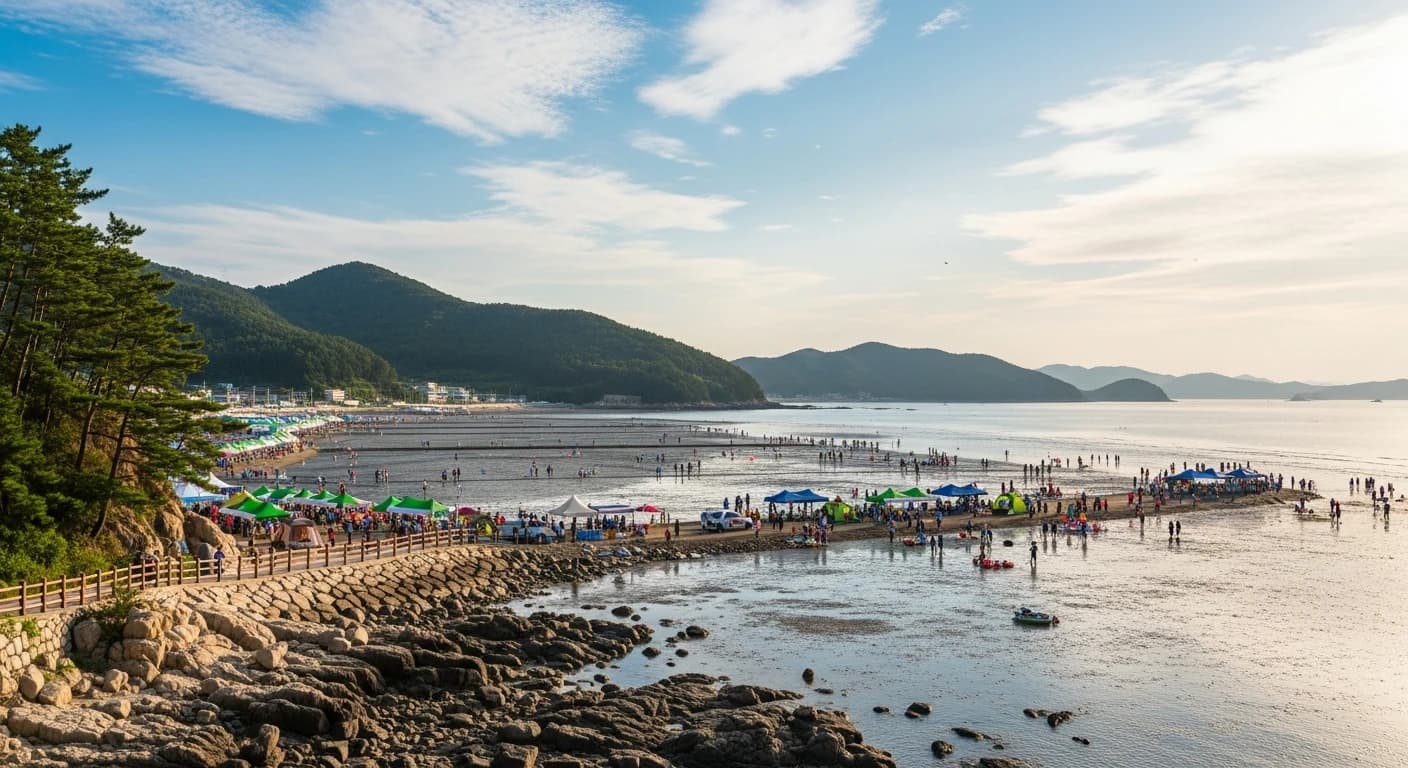
Muan Beach is a peaceful destination that offers stunning views of the Yellow Sea. The beach is not as crowded as other popular beaches in Korea, making it an ideal spot for those who want to relax by the sea. Visitors can take leisurely walks along the shore, enjoy picnics, or even try water sports during the warmer months. The gentle waves make it a family-friendly destination for visitors of all ages.
Nature lovers will enjoy a visit to Muan Green Nature Park, a serene park with beautifully landscaped gardens and walking trails. The park is home to a variety of native plants and flowers, making it an excellent place for a peaceful stroll. There are also designated areas for picnics and bird watching. The park is a perfect spot to spend a few hours, especially in the spring when the flowers are in full bloom.
One of Muan’s unique culinary offerings is Muan Gomtang, a traditional Korean beef soup made with a clear broth and tender slices of beef. It is often served with rice and kimchi on the side. The soup is known for its comforting and rich flavors, making it a must-try for visitors interested in authentic local cuisine.
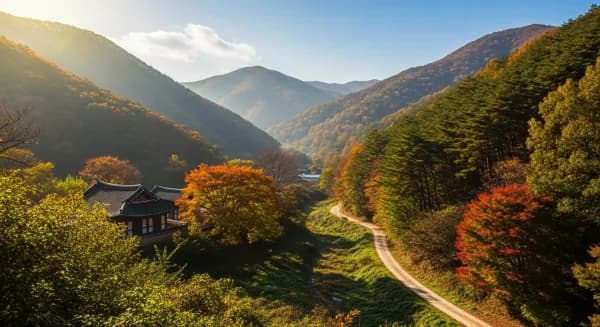
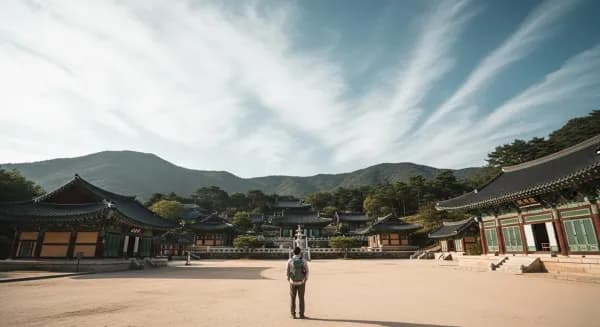
For those interested in South Korea's traditional culture, a visit to the Muan Folk Village is highly recommended. The village offers a glimpse into rural life in the past, with traditional Korean houses (hanok) and various exhibitions showcasing local customs, crafts, and farming techniques. It’s a great place for visitors to experience the history and cultural heritage of Muan and the Jeollanam-do region.
Wolchulsan National Park, located near Muan, is a popular spot for hiking and outdoor activities. The park features impressive mountain peaks, lush forests, and clear streams. One of the park’s most famous features is the Wolchul Mountain itself, which offers stunning views of the surrounding area. Hiking trails of various levels allow visitors to explore the park’s natural beauty at their own pace.
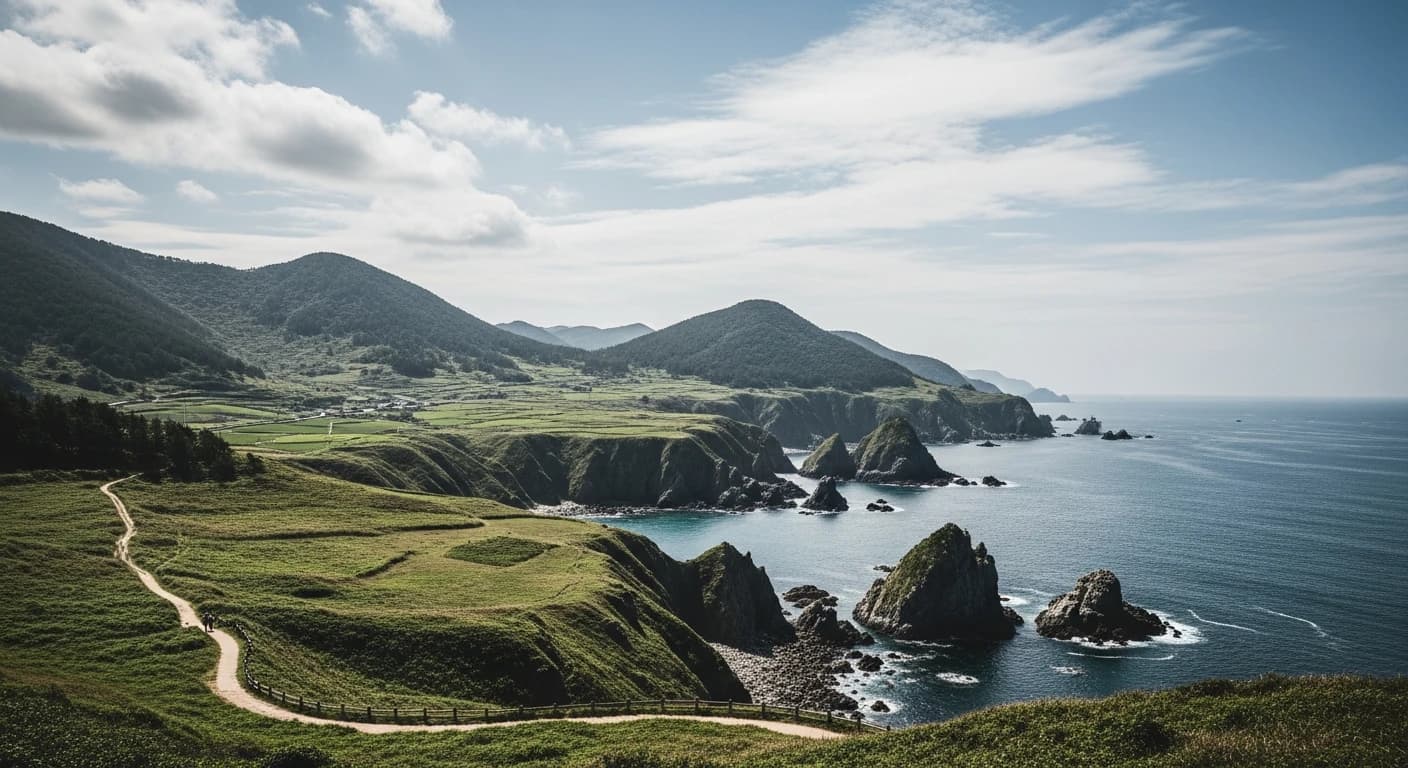
Located on Baekbong Hill, this observatory offers panoramic views of the surrounding area, including Muan Beach, the Yellow Sea, and distant islands. The observatory is a great spot for photography, birdwatching, or simply enjoying a peaceful moment while taking in the breathtaking scenery.
Not far from Muan is the Suncheonman Bay Wetland Reserve, one of the largest tidal flats in South Korea. The area is home to diverse ecosystems and bird species, making it a popular destination for eco-tourism. Visitors can walk along the boardwalks and enjoy the sight of migratory birds and expansive wetlands. The reserve is particularly popular in autumn when birds migrate from the northern regions.
Muan is located about 280 kilometers south of Seoul, which is approximately a 4-hour drive. It’s also well-connected to nearby cities like Mokpo, located just 30 minutes to the west, and Gwangju, about 1.5 hours to the east. The nearby Muan International Airport offers easy access to the region, making it convenient for international travelers as well.
Muan is known for its fresh seafood and traditional Korean dishes. Local cuisine highlights include:
As mentioned earlier, Muan Gomtang is a signature dish of the region. It consists of a hearty beef broth served with tender slices of beef, rice, and kimchi. It’s perfect for colder months or when you’re looking for something filling and satisfying.
Muan’s coastal location means there’s an abundance of fresh seafood. Visitors can try a variety of dishes made from local fish, squid, and shellfish. Popular dishes include grilled fish, seafood stews, and raw fish (hoe).
Like most Korean meals, meals in Muan are often accompanied by banchan, which are small side dishes served with rice. These may include a variety of fermented vegetables, kimchi, pickled radish, and other Korean specialties.
Though not unique to Muan, bulgogi (grilled marinated beef) is a popular dish across Korea. Muan’s restaurants serve delicious versions of bulgogi, often with fresh vegetables and rice.
For international and domestic travelers, Muan International Airport is the main point of entry. From the airport, visitors can easily take a taxi or bus to the city center or other attractions.
Local and intercity buses connect Muan to nearby cities like Mokpo, Gwangju, and Seoul. The bus station in Muan is well-equipped and offers frequent services to these destinations.
Taxis are widely available in Muan and are a convenient way to get around. They can take you directly to popular tourist spots like Muan Beach, the Folk Village, and the nature parks. Taxi rides are relatively inexpensive compared to other cities in South Korea.
For those who prefer more flexibility, renting a car in Muan is an option. This is especially useful for exploring the surrounding natural attractions and coastal areas at your own pace.
Muan is a quiet, scenic destination that offers a refreshing contrast to the more bustling urban centers of South Korea. Its proximity to the coast, rich natural landscapes, and local food culture make it a unique destination for nature lovers, food enthusiasts, and cultural explorers. Here are some of the key reasons to visit Muan:
The best time to visit Muan is during the spring (April to June) and autumn (September to November) months. During these times, the weather is mild, making it ideal for outdoor activities like hiking, beach visits, and sightseeing. Spring brings beautiful flower blooms, while autumn offers vibrant fall foliage.
The summer months (July and August) can be warm, with occasional rain showers, but it’s still a great time to enjoy the beaches. Winter (December to February) is cold, but for those who prefer fewer crowds, it can still be a pleasant time to visit.
Most visitors spend 2-3 days in Muan to fully experience the natural attractions, beaches, and local food. If you're exploring nearby cities like Mokpo or Gwangju, you may want to extend your stay for day trips.
Nearby places worth adding to your itinerary.
Local guide picks to help you explore Muan better.