
Plan Your Jammu & Kashmir Trip – Know the Costs
Affordable Jammu Kashmir Packages – Get the Best Value for Your Trip
Plan Smart, Travel Beautiful – Jammu & Kashmir Awaits
Get detailed trip costs and package options – explore paradise within your budget.
View Tour to Jammu Kashmir
Jammu Kashmir Trip Cost Your Complete Travel Budget Guide
Thinking about visiting Jammu and Kashmir? Knowing what things cost might just shape your whole experience. Instead of guessing, picture how each choice affects your wallet. Stay somewhere quiet or right in the middle of movement - either way, prices shift. Getting around could mean buses, taxis, or shared rides; each option pulls your total higher. Meals range from street stalls to sit-down places, depending on mood or timing. Doing stuff outside - hiking, sightseeing, wandering markets - adds up slower than expected. Then there are small extras: entrance fees, souvenirs, last-minute changes. All of it together builds the real price tag. Nothing fancy, just what actually happens when you’re there.
Understanding Jammu and Kashmir
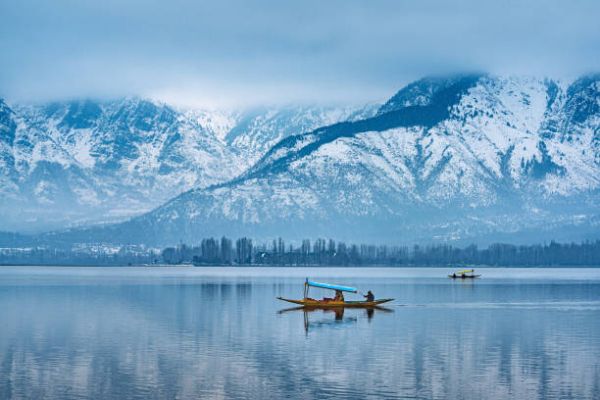
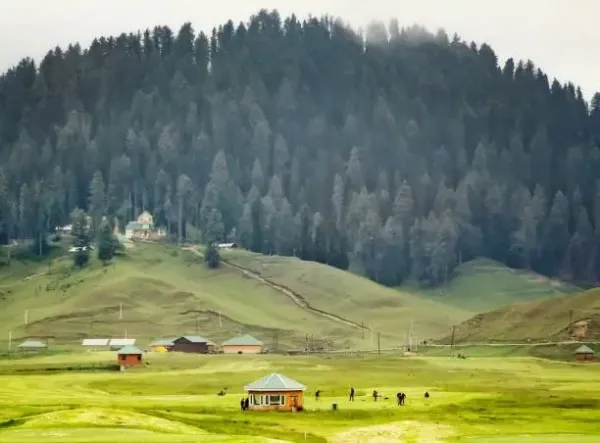
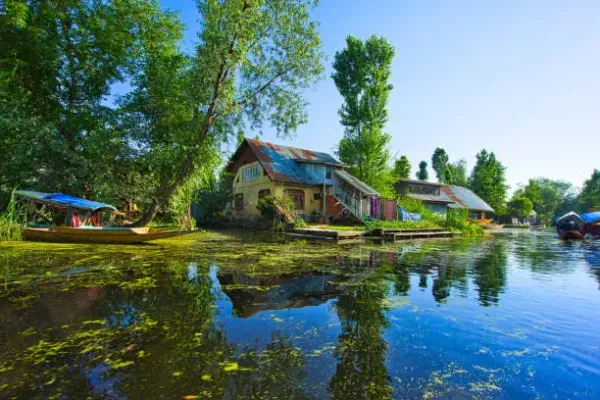
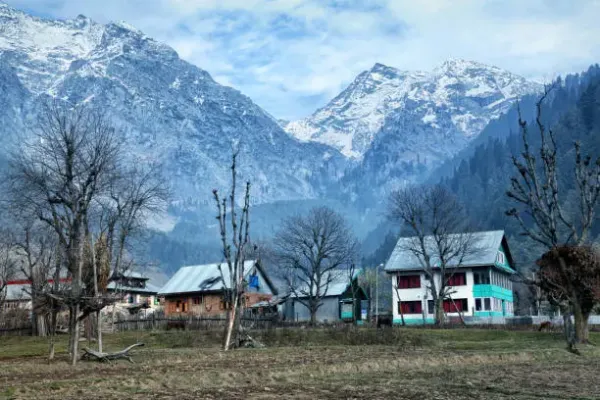
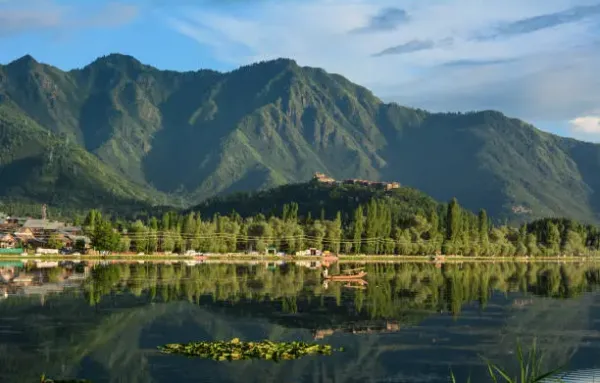
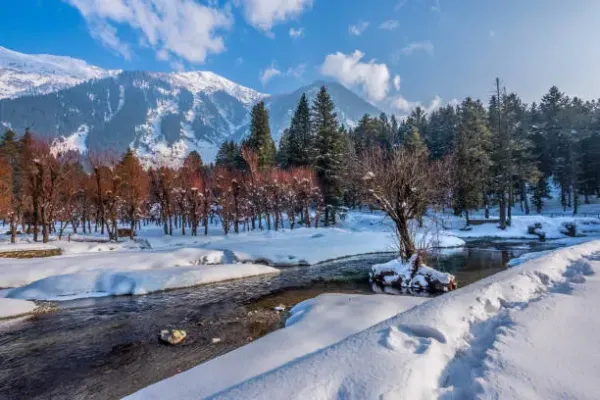
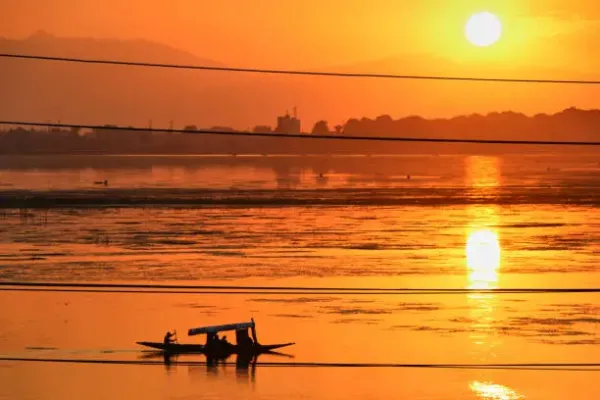
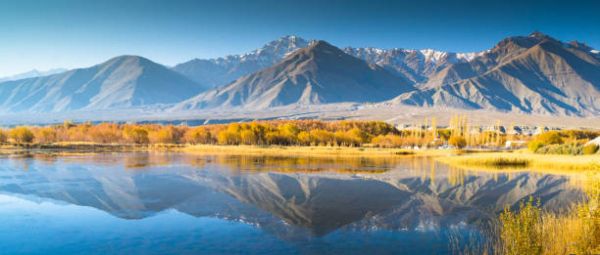
Snowy peaks rise above Gulmarg while quiet waters rest beneath Srinagar's Dal Lake. Tranquil meadows unfold alongside steep trails leading upward into mist. Visitors drawn by wild terrain might find calm instead near slow-moving streams. Culture thrives here through colors worn daily rather than staged displays. Warmth shows up quietly - in shared bread, unspoken welcomes at doorsteps. Not all who come looking for excitement leave without finding peace first. Landscapes shift fast when clouds break across valleys lit by dawn light.
Location and Accessibility
Up north in India sits Jammu and Kashmir. Srinagar serves as its summer capital, acting as the primary gateway. Getting there happens mainly through air travel. Trains don’t go directly into the city, so rail passengers must switch to road after reaching nearby stations. Road trips often begin from cities like Delhi, unfolding across mountain curves and valleys. Weather sometimes slows down movement on highways during winter months. Flights arrive at Sheikh ul Alam Airport, tucked near the lakeside. Some travelers prefer buses, boarding them early morning for a full day ride. Private cars offer flexibility when navigating hilly routes toward the destination
- Flying nonstop works from big spots such as Delhi, Mumbai, or even Bangalore straight into Srinagar's airport named after Sheikh ul-Alam. Tickets back and forth often sit between ₹10,000 and ₹15,000 each when secured early.
- Srinagar sits about 270 km away from Jammu Tawi, the closest big train hub. Taxis run between Jammu and Srinagar, costing somewhere between ₹6,000 and ₹10,000. Shared cabs or buses offer another path, priced from ₹800 up to ₹2,500. Travelers heading north often start their route at Jammu’s rail point. Road trips begin once off the train, with options waiting outside the station. Fares shift based on season, vehicle type, and how many share the ride. Some prefer splitting costs in a group cab instead of going solo by taxi. The journey winds through mountain passes, taking most of a day. Trains stop far south - the last stretch always happens on roads. Getting there means switching from rails to wheels without exception.
- Winding roads lead into Kashmir, revealing landscapes that unfold slowly. From Delhi, a personal cab toward Srinagar might take up nearly twenty thousand rupees - sometimes less. Instead of hiring wheels outright, sitting on a plush bus could cost between two thousand five hundred and five thousand per person. These coaches roll regularly, offering space by the window without needing to steer.
Accommodation Options
Jammu and Kashmir offers a variety of accommodation options to suit different budgets:
- Staying at guesthouses often costs around ₹1,000 each night. Some might charge up to ₹3,000 depending on location. Simple rooms come with just what you need. Solo visitors usually find these spots practical. Tight budgets work well here too.
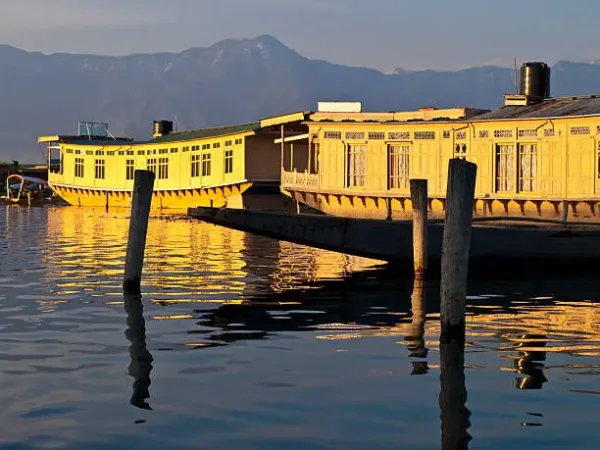
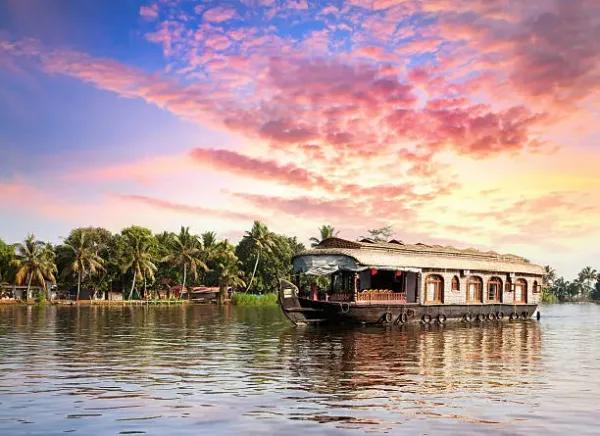
- Folks looking for a step up might find their spot here. Nightly stays at mid-tier lodgings or restored houseboats run from three thousand to seven thousand rupees. Comfort gets better, amenities start adding up. Choices like these bring extra ease without stretching too far.
- Spending more gets you high-end stays - think posh hotels or fancy houseboats - that run between ₹8,000 and over ₹20,000 each night. These spots pack serious comfort into every detail.
Local Transportation
Getting around Jammu and Kashmir is convenient with various transportation options:
- Taxis might set you back anywhere from ₹1,000 to ₹3,000 daily for city tours - how far you go plays a part, though talking it out could change things. Sometimes drivers adjust rates if the route bends their way.
- A vehicle with someone behind the wheel often suits visitors best. Daily rates run from two thousand five hundred to four thousand five hundred rupees.
- Traveling by shared cab or bus costs less, especially on long trips - prices usually fall between ₹800 and ₹2,500 per traveler. Though comfort varies, these rides fill up fast during peak times. Some routes have limited departures, so planning ahead helps avoid delays. Each vehicle type offers different space for luggage. Seats near the window tend to be taken first. Not every service includes AC, depending on region. Booking online often locks in better rates.
Food Expenses
Kashmir offers a rich culinary experience:
- Starting your day right might mean grabbing lunch for just over a hundred rupees. A quiet corner spot near the market serves rich lamb curries without charging much. Sometimes the best flavors come from tiny kitchens tucked down narrow lanes. Eating here feels real, nothing staged or flashy. You get warm flatbreads, slow-cooked vegetables, and strong noon chai - all under three hundred. Worth noting, these meals taste like home even if you're far from yours.
- Meals at mid-tier eateries usually land around ₹500 to ₹1,000. Though not fancy, they serve both regional dishes and global flavors. Sometimes you’ll find curry next to pasta on the same menu. Prices stay steady, yet variety shows up in surprising ways. Not every place shouts about quality - most just cook food well. You eat without fuss, pay without shock.
- Fancy meals in big hotels or special eateries often go beyond ₹1,500 for one sitting. Though not common, these spots serve food that takes time and skill. Some charge more depending on the chef or ingredients used. A single plate might include rare spices or imported items. Price jumps happen when presentation matters as much as taste. Even so, people still line up for the experience now and then.
Sightseeing and Activities
Jammu and Kashmir is rich in attractions and activities:
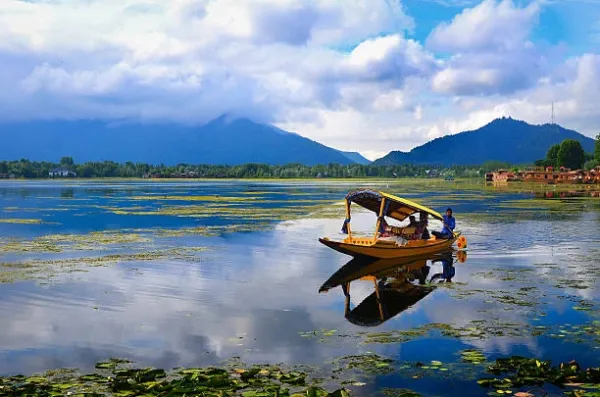
- A ride in a shikara on Dal Lake often tops visitor plans when they are in Srinagar. Usually it costs between five hundred and one thousand rupees for sixty minutes of slow gliding across calm water. Some choose early morning trips just after sunrise while others prefer late afternoon light. The wooden boats move quietly, passing floating gardens and houseboats along the way. Each turn reveals something different - reeds bending low, children waving from shore, mist lifting slowly.
- A trip on the Gulmarg Gondola usually runs between ₹810 and ₹1,820, based on which stage you decide to reach. Prices shift slightly when higher sections open during peak season. Reaching the top means paying more than stopping halfway. Some find it steep, others say it matches what similar rides charge elsewhere. Ticket levels depend entirely on access points available at the time.
- Between ₹2,500 and ₹5,000 is what a single ski run in Gulmarg might take from your pocket. While some packages stretch toward the higher end, others stay close to the lower edge. Cost depends on timing, gear, maybe even who's guiding. Not every turn down the slope carries the same price tag. Though it seems fixed, small shifts change how much you pay.
- Pahalgam has river rafting where prices go from eight hundred to two thousand rupees.
- Exploring trails in Sonamarg begins near ₹3,000 a head. Cost shifts based on season, route taken.
Shopping and Souvenirs
Woven by hand, Kashmir's crafts tell quiet stories. Soft against the skin, Pashmina shawls carry warmth like breath on glass. Dried fruit sits packed in paper, sweet and chewy under mountain light. Each item moves slowly through markets shaped by time
- Premium pashmina shawls start around three thousand rupees. Higher grades climb past twenty grand. Price shifts with craftsmanship. Finer threads cost more. Details matter most.
- Kashmiri Saffron: ₹250 to ₹500 per gram.
- Priced between six hundred and fifteen hundred rupees each kilogram, almonds fall into this range. Walnuts sit alongside them at similar costs when dried. A thousand rupees might buy half a kilo of either one. These nuts often trade within that span across markets.
- Pick up a handmade trinket, cost might run from five hundred rupees into the thousands. What you get shapes the price - simple pieces near the lower end, detailed work climbing higher. Some items barely touch ₹500, others leap past ₹5,000 without pause.
Saving money during a trip to Kashmir
- Start planning your trip well ahead. Costs climb when you wait until the last few weeks. Booking rooms and seats early locks in lower rates. Last-minute picks often mean bigger bills. Think months, not days, when setting plans. Savings show up most for those who move first.
- Travel Off-Season (March/September): Everything is cheaper.
- Buses cost less when you ride with others instead of going solo. Cabs work out cheaper if everyone chips in together.
- Try village roadside kitchens instead. Real Kashmiri dishes cost less there.
- Start haggling when you buy things. Sellers sometimes charge visitors more money.
When to Go
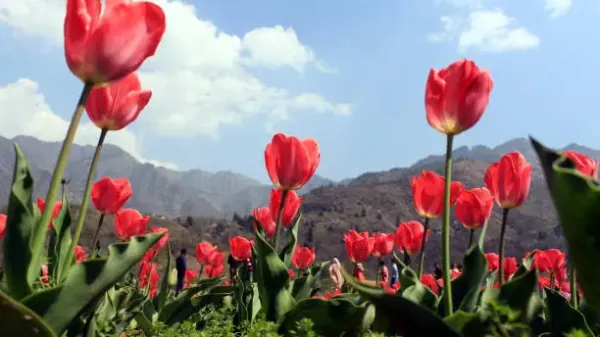
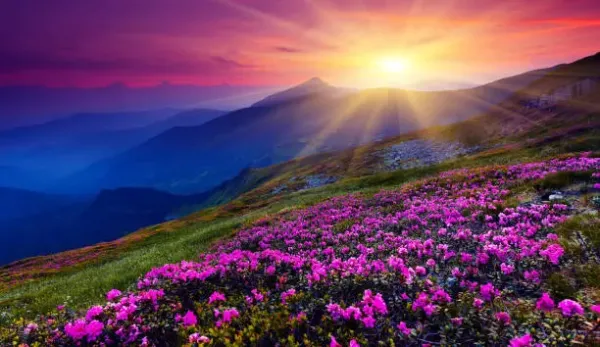
Winter mornings here feel sharp, yet perfect if you enjoy snow. Summer arrives with mild days, ideal when heat bothers you elsewhere. Spring spreads colors slowly across valleys, a quiet show of blooms. Autumn steps in with crisp air, leaves turning copper underfoot. Each season shapes the land differently, depending on what you want to see
- Pleasant days stretch through March to August, perfect for wandering trails or pausing by vibrant hillsides. Warm light fills the mornings, pulling travelers outdoors where paths wind past blooming thickets. Views open wide across valleys dressed in fresh foliage, drawing eyes and footsteps alike. This season holds steady with clear skies, letting exploration unfold without rush.
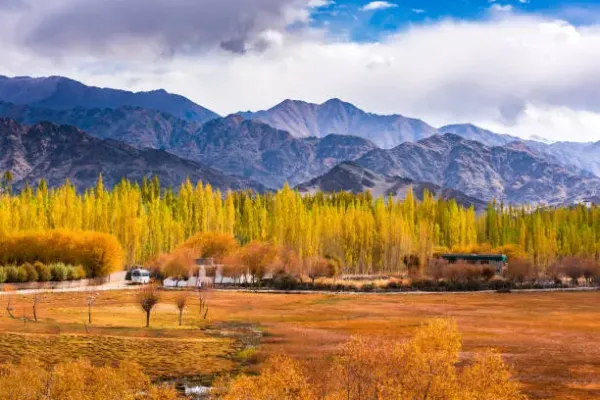
- Foliage shifts to bold reds when September rolls into November. Crisp air fills the mornings after summer fades away. Trees light up hillsides once August ends. Cooler days arrive just before winter begins.
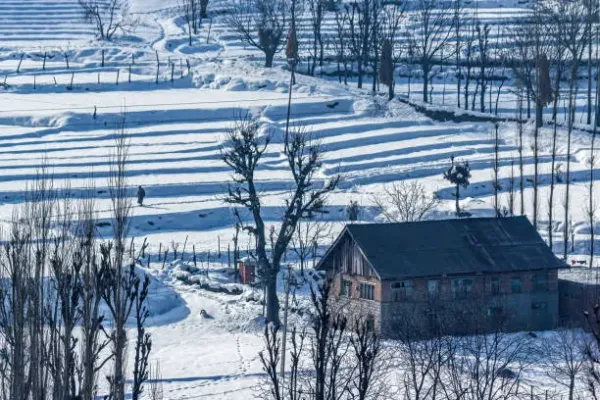
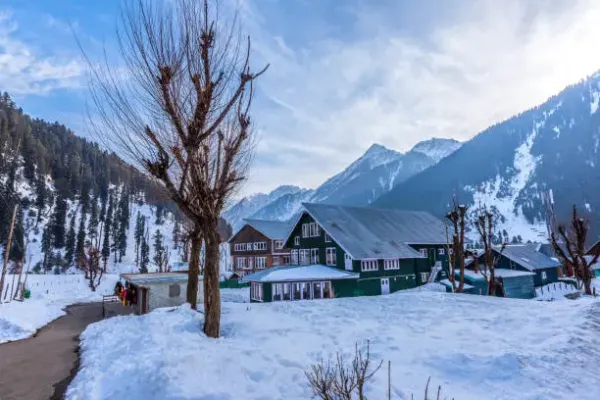
- When winter arrives, snowy fun begins - skiing and snowboarding take center stage. December through February turns landscapes into crisp playgrounds. Cold days bring powdery slopes alive. Motion fills the air as people glide down hills. Frost coats trees while activity buzzes below. The season holds stillness, yet hums with movement.
Weather Overview
- Right now in Srinagar, the air feels like 19°C under a blanket of clouds. Through the coming days, mercury may dip to 10°C before climbing as high as 22°C. This kind of weather opens doors for walking around town or exploring places outside.
- Right now, Jammu feels like 27°C under a sky covered in clouds. Soon enough, heat climbs - hitting between 30°C and 37°C - not much relief ahead. Dress light, stay cool without making a plan obvious.