Ansan-Si
Explore stays
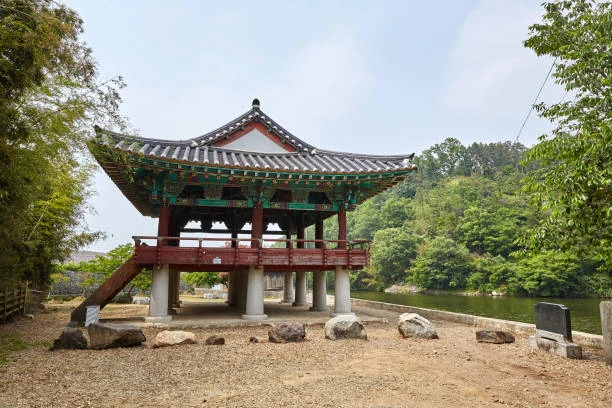
Jeollanam-do, located in the southwestern part of South Korea, is a beautiful and diverse province that offers an array of experiences for travelers. From scenic coastal areas and lush mountains to rich cultural sites and delicious food, Jeollanam-do has something for everyone. This guide will help you explore the best attractions and activities in Jeollanam-do, providing everything you need to plan an unforgettable trip.
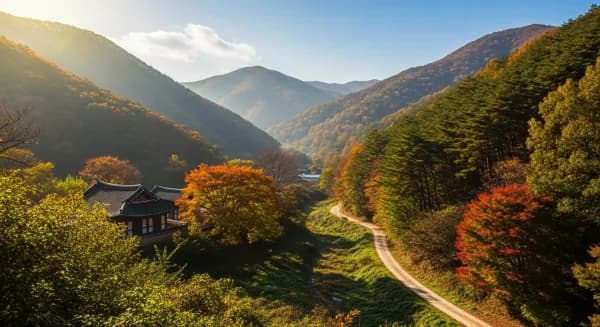
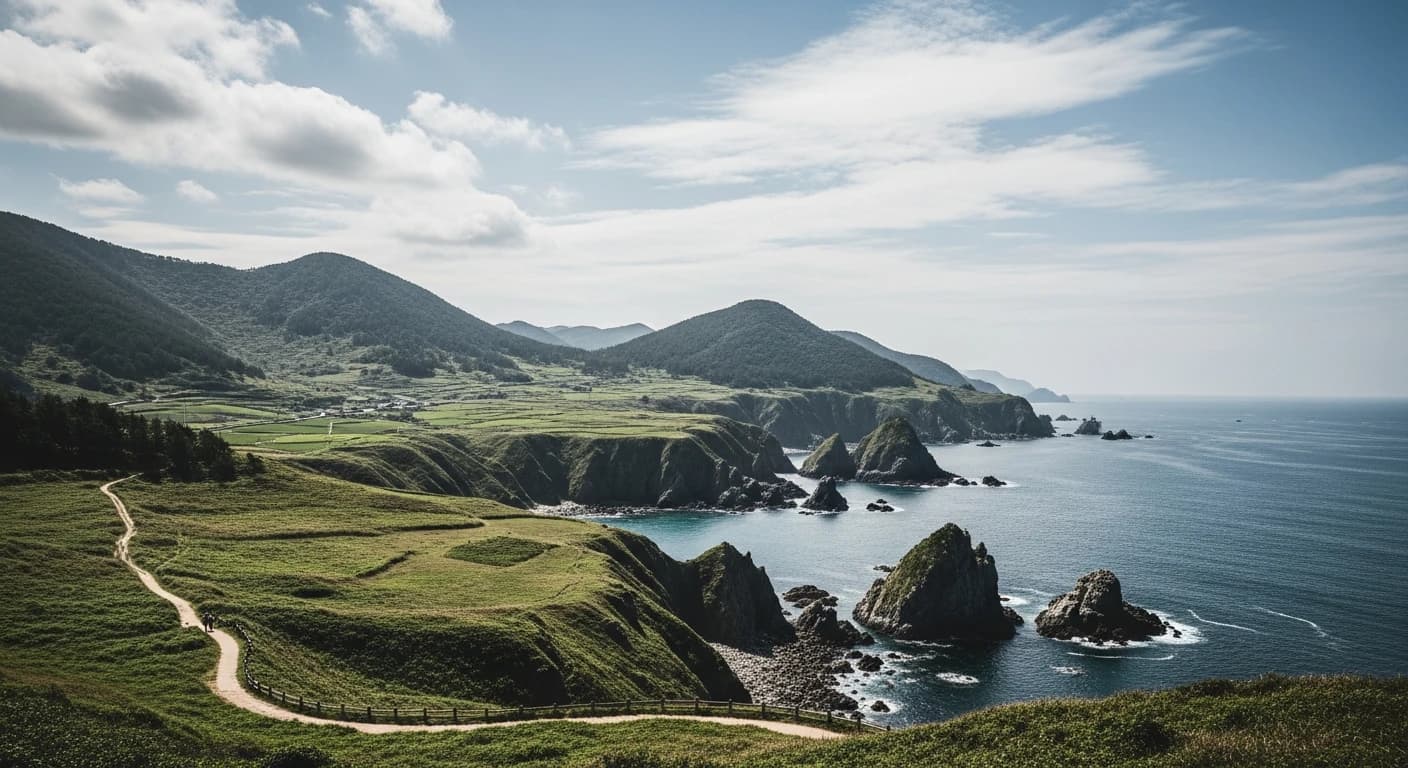
Jeollanam-do is one of South Korea’s 17 administrative provinces, located in the southwestern part of the country. It is bordered by the Yellow Sea to the west and the South Sea (Jinhae Bay) to the south. The province has a mild climate, with beautiful coastal areas, tranquil islands, and impressive mountains. The combination of natural beauty, historic sites, and a slower pace of life makes Jeollanam-do an attractive option for both domestic and international tourists.
The capital of Jeollanam-do is Mokpo, a port city that offers easy access to nearby islands, including the famous Muan and Dadohae Archipelago. The province is also home to Gwangju, a cultural hub known for its art scene, historical sites, and modern amenities. Whether you're a nature lover, history buff, or food enthusiast, Jeollanam-do has a wealth of attractions to explore.
Suncheon Bay Wetland Reserve is one of the most famous natural attractions in Jeollanam-do. Known for its vast reed fields, the reserve is a designated ecological zone that is home to numerous migratory birds. Visitors can walk along the boardwalks to explore the beautiful wetlands, take a boat tour, or simply enjoy the peaceful natural surroundings. The view of the bay with its surrounding mountains is particularly stunning during sunset, making it a popular spot for photography.
For those interested in nature, the Jangheung Arboretum is a must-visit. Located in Jangheung, a county in Jeollanam-do, the arboretum offers a peaceful environment filled with a variety of plants and trees. The gardens are beautifully maintained, with walking trails, ponds, and areas for relaxation. Jangheung also features picturesque waterfalls and parks, making it a great spot for hiking and outdoor activities.
Damyang, located in the northern part of Jeollanam-do, is known for its Bamboo Forest, which is a tranquil escape from the hustle and bustle of the city. The Damyang Bamboo Garden is a beautiful place to stroll through towering bamboo groves, and the Metasequoia-lined Road offers a scenic path lined with these magnificent trees. Damyang is also known for its delicious local food, including bamboo shoots and bamboo rice, which can be sampled at various eateries in the area.
As the capital of Jeollanam-do, Mokpo is a bustling port city with plenty to see and do. One of the main attractions is the Mokpo Marine Park, which offers scenic views of the harbor and surrounding islands. The park is a great place to relax, take a boat tour, or simply enjoy the views of the water. Mokpo is also home to the Mokpo Modern History Museum, which provides insight into the city’s role in Korea’s modernization, and Yudal Mountain, where visitors can hike to the top for panoramic views of the city.
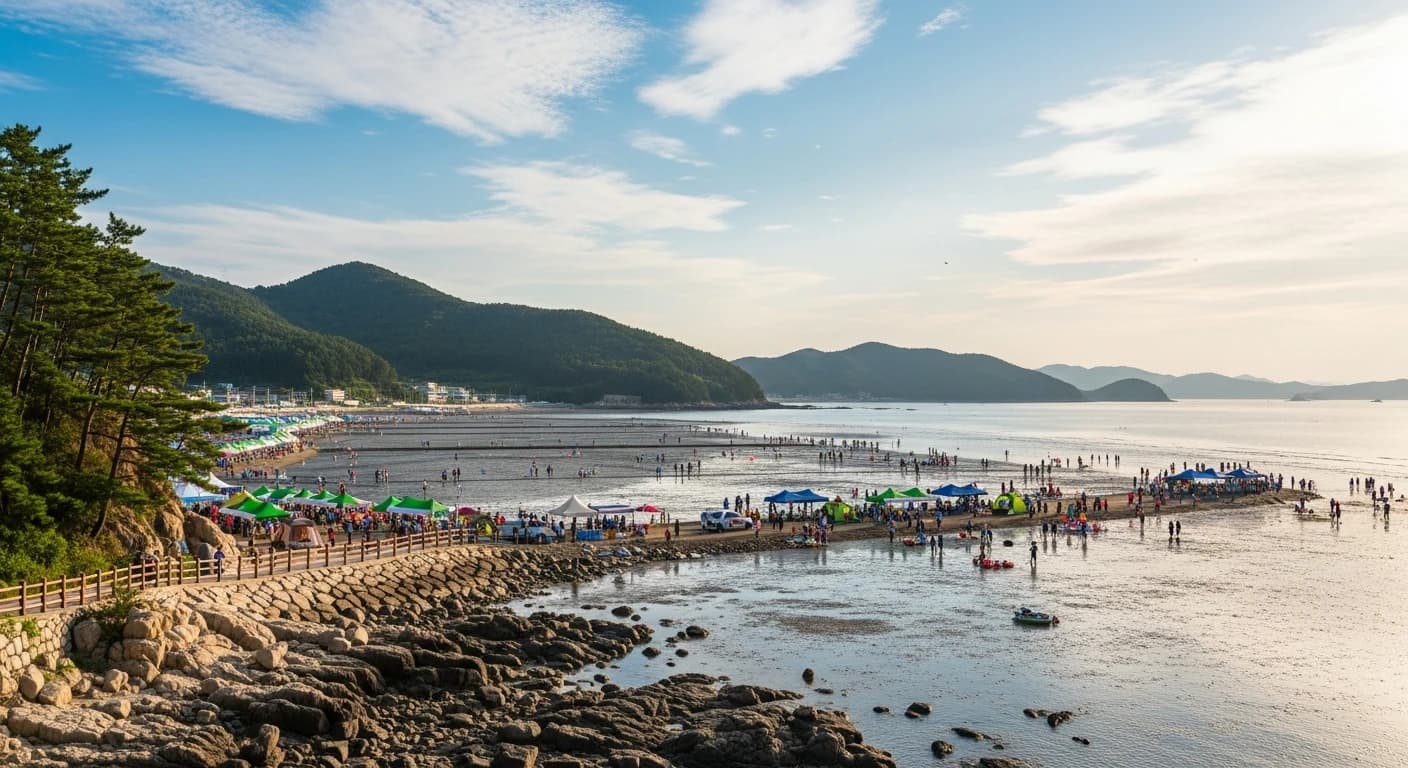
Dadohaehaesang National Park is a large marine park that encompasses hundreds of islands in the South Sea. The park is famous for its clear waters, unspoiled nature, and diverse marine life. It’s a great spot for island-hopping, kayaking, and scuba diving. The Baekdo Island is a favorite for tourists, offering beautiful beaches and secluded spots to enjoy the serene landscape. Visitors can also explore the park’s historical temples and cultural sites, which are dotted across the islands.
Gwangju, the largest city in Jeollanam-do, is a vibrant cultural hub with a rich history. It is famous for the Gwangju Biennale, a contemporary art exhibition that attracts artists and visitors from all over the world. Other must-see attractions in Gwangju include the Mudeungsan National Park, which offers beautiful hiking trails, and the Gwangju National Museum, where you can learn about the area’s history and cultural heritage. Gwangju is also a great place to experience the local food scene, especially dishes like tteokgalbi (grilled short rib patties) and kimchi.
Getting to Jeollanam-do from other major cities in South Korea is easy thanks to a variety of transportation options.
Jeollanam-do does not have its own international airport, but it is well-connected by road and rail to nearby cities with international airports.
Jeollanam-do is a paradise for food lovers. The province is famous for its fresh seafood, hearty stews, and diverse dishes made with local ingredients. Here are a few must-try dishes when visiting:
Jeollanam-do also has a thriving market scene where you can sample local food. The Mokpo Traditional Market and Gwangju’s Yangdong Market are great places to try regional specialties and street food.
Public transport in Jeollanam-do is efficient and convenient for tourists.
The best time to visit Jeollanam-do is during the spring (April to June) and autumn (September to November) months. These seasons offer pleasant weather, with mild temperatures and clear skies. Spring is particularly beautiful as the cherry blossoms and other flowers are in full bloom, while autumn offers stunning fall foliage.
Summer (July to August) can be hot and humid, but it’s the perfect time for beachgoers and those looking to enjoy water activities. Winter (December to February) is quieter and cold, but it's still a good time for those interested in hiking or visiting indoor attractions.
To explore the main attractions of Jeollanam-do, a stay of 4 to 5 days is recommended. This allows time to explore major sites like Suncheon Bay, Damyang Bamboo Forest, Mokpo, and Gwangju, while also relaxing and enjoying the local cuisine.
Nearby places worth adding to your itinerary.
Top stays in Jeollanam-do picked for comfort, value, and great guest reviews.
Local guide picks to help you explore Jeollanam-do better.