Abiansemal
Explore stays
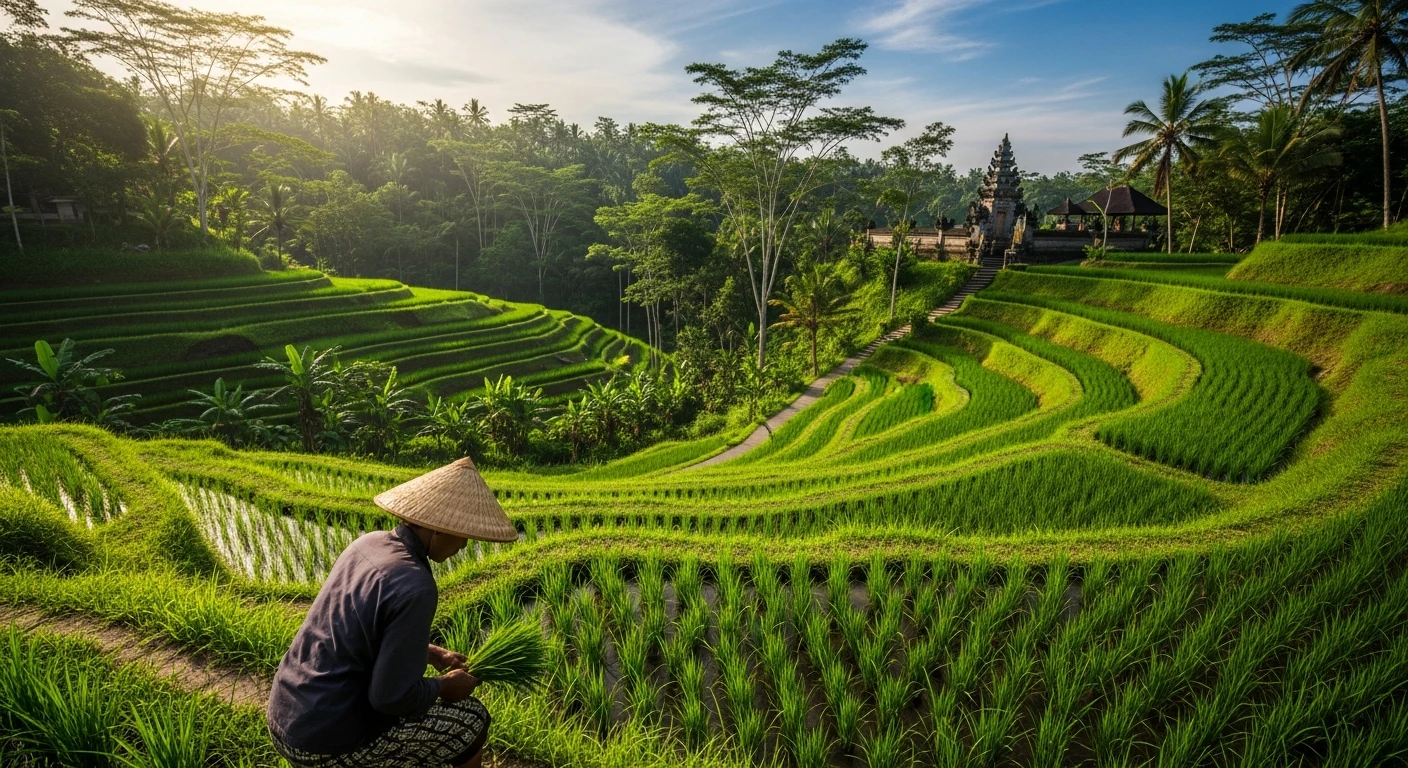
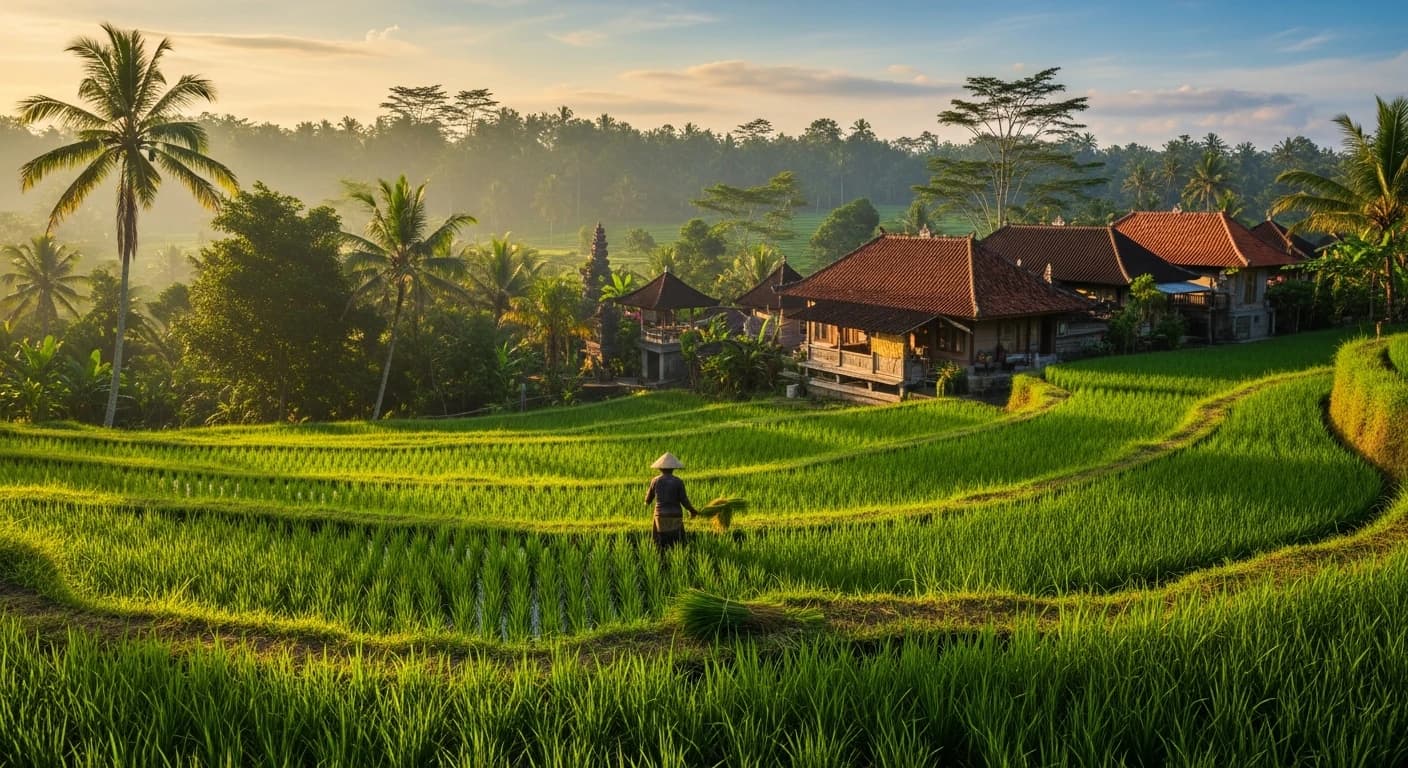
Ubud, often regarded as the cultural heart of Bali, is a town that sits amidst the lush rice paddies and steep ravines of the island. Historically, Ubud was established as a center for art and culture in the 1930s, drawing artists and intellectuals from around the globe. The name Ubud itself is derived from the Balinese word 'ubad', which means medicine, reflecting the town's early role as a center for healing through traditional practices.
Geographically, Ubud is located in the central highlands of Bali, about 35 kilometers from Ngurah Rai International Airport. Nestled between the Ayung River and verdant hills, its stunning landscapes offer tranquility and a sense of connection to nature. The vibe of Ubud is a harmonious blend of spiritual serenity and artistic vibrancy, characterized by its yoga retreats, art galleries, and traditional Balinese music.
Over the years, Ubud has evolved into a popular destination for wellness tourism, attracting those seeking yoga, meditation, and holistic healing. The town is also renowned for its vibrant arts scene, with numerous galleries and workshops showcasing local talent. The warm and welcoming locals further enhance Ubud's charm, fostering a sense of community that resonates with visitors.
Ubud offers a wide range of accommodation options that cater to various budgets and preferences. For luxury travelers, the northern part of Ubud, near the Campuhan Ridge Walk, is home to upscale resorts like the Four Seasons Resort and Mandapa, a Ritz-Carlton Reserve. These establishments provide stunning views, infinity pools, and wellness spa services.
On the other end of the spectrum, budget travelers can find charming guesthouses and homestays in areas such as Penestanan and Peliatan. Places like Pondok Pundi Village Inn and Komaneka at Rasa Sayang offer affordable yet comfortable stays, often with included breakfast and easy access to local attractions.
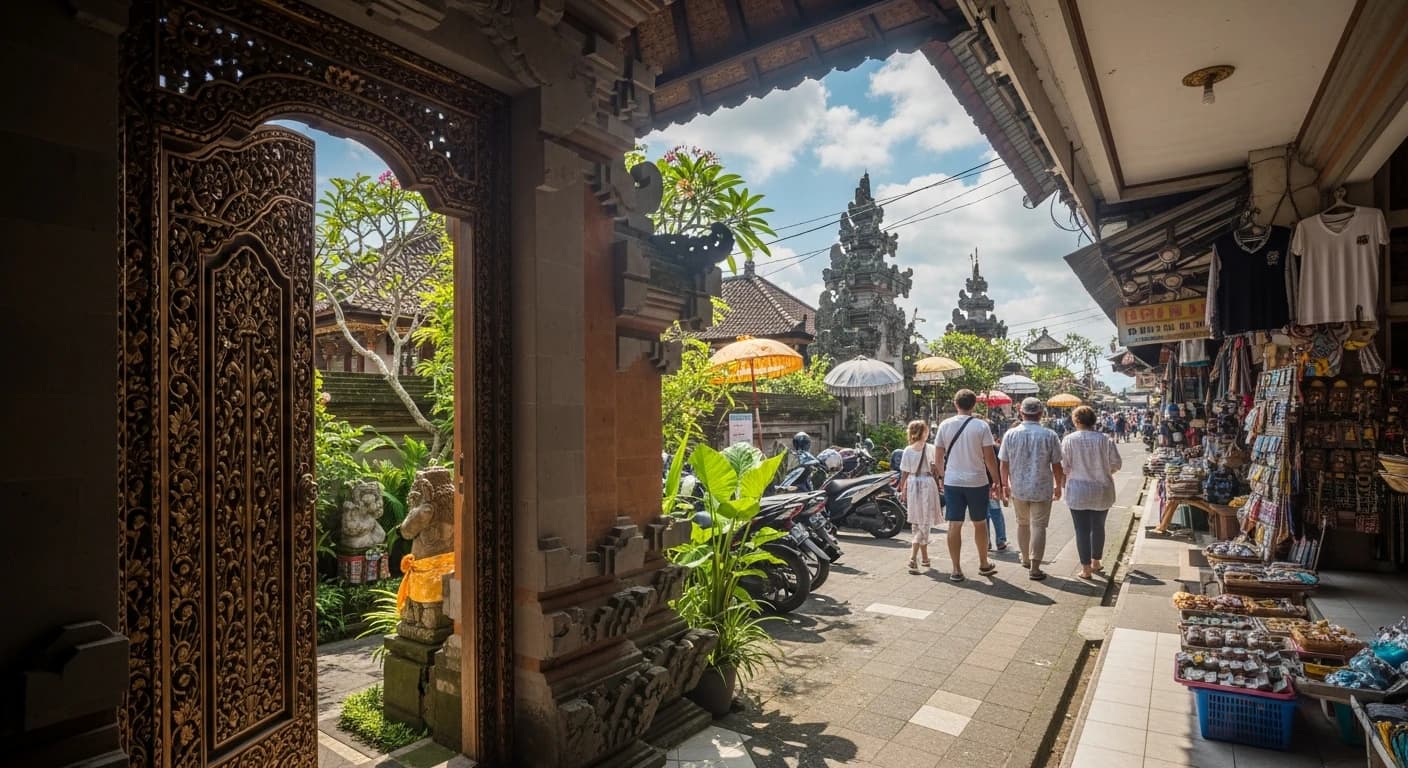
For the best experience, choosing accommodation close to the main attractions and local markets, such as Ubud Market and Ubud Palace, is recommended. This allows visitors to immerse themselves in the local culture while enjoying the serene atmosphere of Ubud.
Navigating Ubud is a delightful experience, especially if you embrace local transportation options. The most common way to get around is by renting a scooter, which allows for easy access to the town's many attractions and surrounding areas. For those unfamiliar with riding, taxis and ride-hailing services like Gojek and Grab are widely available.
Moreover, walking is an excellent way to explore Ubud’s charming streets and hidden paths. Many attractions are within walking distance, allowing visitors to soak in the beautiful scenery and local life. For a more immersive experience, consider hiring a local guide who can provide insights and stories about the area.
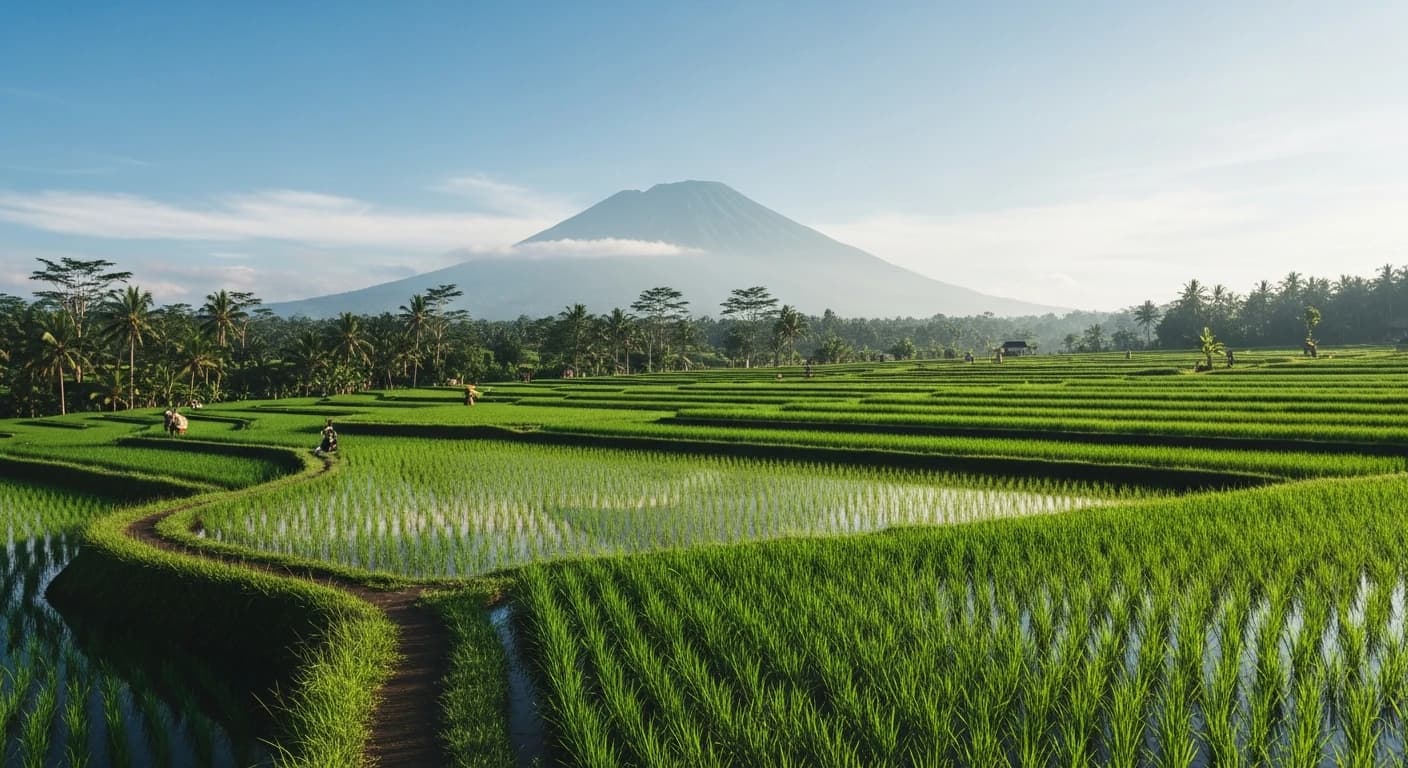
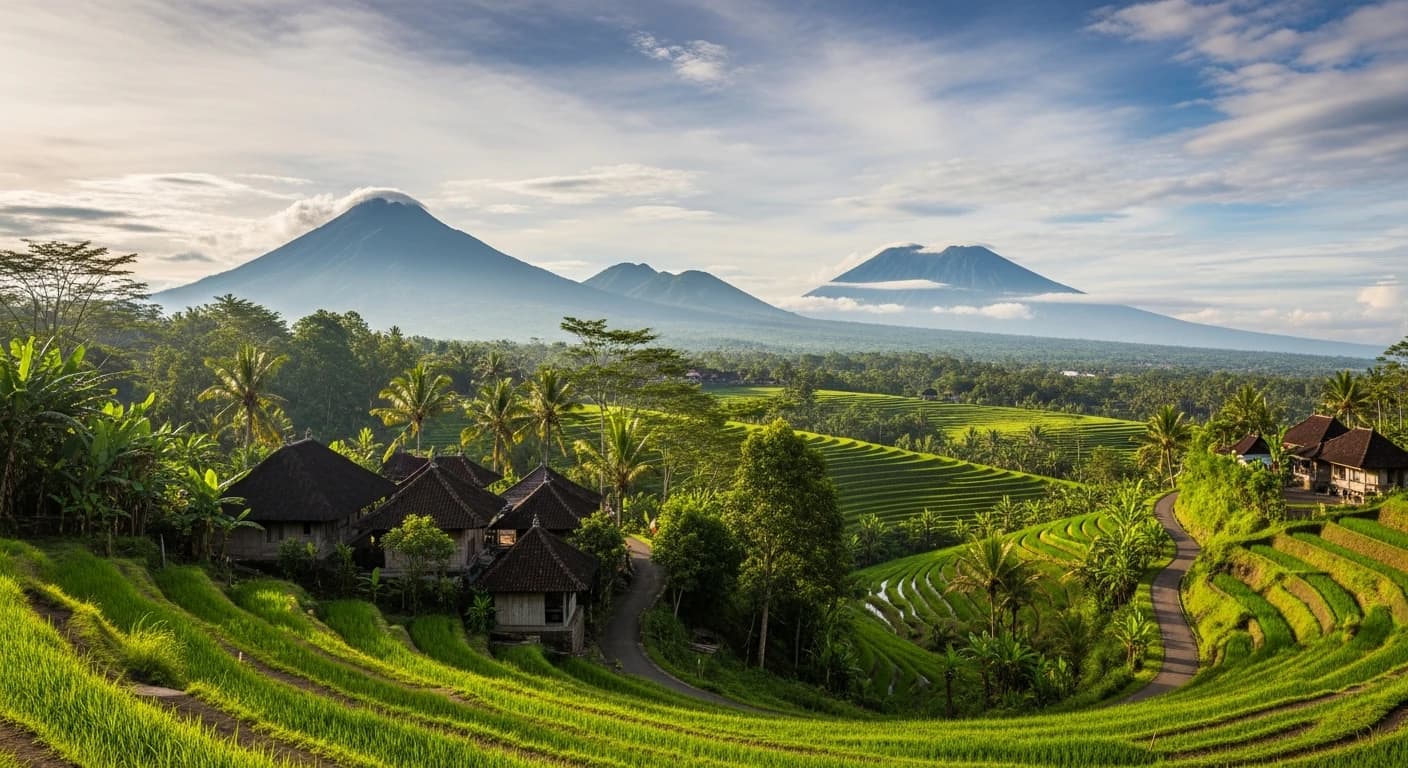
Ubud is not just about its town; it’s an excellent base for exploring Bali's hidden gems. Just a short drive away lies the Tegallalang Rice Terraces, a stunning example of traditional Balinese subak irrigation. The terraces offer breathtaking views and great photo opportunities.
Other nearby excursions include the Sacred Monkey Forest Sanctuary, home to playful long-tailed macaques and ancient temples that date back to the 14th century. For those interested in nature, a visit to Mount Batur for sunrise trekking is a must. The stunning views from the summit, combined with the experience of witnessing the sunrise, make it an unforgettable adventure.
Additionally, the nearby village of Taro is perfect for those seeking a more rural experience, where visitors can enjoy traditional Balinese farming practices and even participate in cooking classes.
The best time to visit Ubud is during the dry season, which runs from April to October. During these months, rainfall is minimal, making it perfect for outdoor activities and exploring the stunning landscapes of Bali.
April and May are particularly lovely, with fewer tourists and lush greenery. June to August is peak tourist season, so expect more crowds but also numerous cultural events and festivals. September and October offer a wonderful balance of good weather and manageable visitor numbers, making it an ideal time for those seeking a peaceful retreat.
Ubud experiences a tropical climate, characterized by warm temperatures and high humidity. The average temperature hovers around 30°C (86°F) throughout the year.
From January to March, Ubud receives the most rainfall, particularly in January, making it the wettest month. April to October sees a decrease in precipitation, with sunny days and cooler evenings. November and December are transitional months, where rainfall begins to increase again, but the lush landscape is particularly beautiful during this time.
The culture of Ubud is rich and deeply rooted in Balinese traditions. The town is famous for its festivals, such as Galungan and Kuningan, which celebrate the victory of dharma (good) over adharma (evil). These events feature elaborate ceremonies, traditional dances, and beautifully decorated offerings, providing visitors a unique insight into Balinese spirituality.
Ubud is also home to a diverse community of artists, writers, and performers. The Ubud Writers & Readers Festival attracts literary enthusiasts from around the world every October, creating a vibrant atmosphere of creativity.
Etiquette in Ubud is essential for respectful interaction with locals. Visitors should dress modestly when visiting temples, removing shoes before entering sacred spaces, and using their right hand for giving and receiving items, which is considered polite in Balinese culture.
Bali's culinary landscape is a delightful fusion of flavors, and Ubud is no exception. Must-try dishes include Nasi Campur, a mixed rice dish served with vegetables, meat, and sambal, and Babi Guling, a succulent roasted pig that is a staple during celebrations.
Food in Ubud is heavily influenced by local ingredients, with an emphasis on fresh produce, aromatic spices, and traditional cooking methods. The town also embraces modern culinary trends, offering a plethora of vegetarian and vegan options, reflecting the growing wellness movement that attracts health-conscious travelers.
Don't miss out on visiting local markets, where you can sample traditional snacks like Pisang Goreng (fried bananas) and Kerupuk (crackers), or indulge in a meal at one of Ubud's many warungs (small family-owned eateries) to experience authentic Balinese flavors.
Ubud boasts a plethora of attractions that showcase the island's cultural and natural beauty.
1. Ubud Monkey Forest: This sacred sanctuary is home to hundreds of playful macaques that roam freely among ancient temples and lush greenery. The forest is not only a haven for wildlife but also a spiritual site, featuring three temples dedicated to the Hindu god Hanuman.
2. Tegallalang Rice Terraces: A stunning example of Bali's unique rice cultivation system, these terraces are a must-see for their breathtaking landscapes and intricate irrigation methods. Visitors can take leisurely walks along the paths or even try their hand at rice planting with local farmers.
3. Ubud Art Market: A vibrant market where local artisans sell handmade crafts, textiles, and souvenirs. It's the perfect place to buy traditional Balinese items and engage with the local community.
4. Puri Saren Agung (Ubud Palace): This royal palace, characterized by its stunning architecture and beautiful gardens, is a historical landmark that also hosts traditional dance performances in the evenings, allowing visitors to immerse themselves in Balinese culture.
5. Campuhan Ridge Walk: This scenic trail offers panoramic views of Ubud’s lush hills and valleys. A favorite among locals and tourists alike, the walk is perfect for early morning treks, providing a peaceful escape into nature.
Each of these attractions showcases the rich culture and natural beauty of Ubud, making it an essential part of any Bali itinerary.
Nearby places worth adding to your itinerary.
Top stays in Ubud picked for comfort, value, and great guest reviews.